
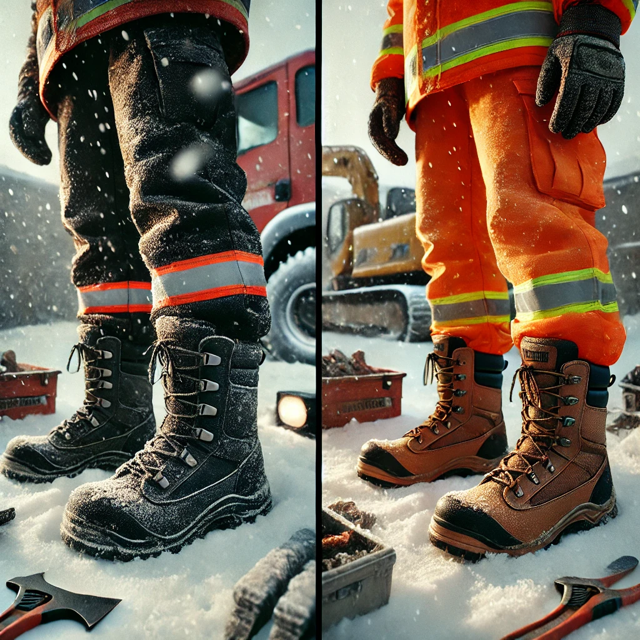
Winter Work Trousers in 2025: Insulated Protection for Extreme Conditions
1. Why Winter Work Trousers Are Essential in 2025
In 2025, winter work trousers have become indispensable for industries that require protection in freezing environments. Workers in construction, logistics, and energy sectors depend on work trousers that combine durability with advanced insulation. Unlike standard garments, insulated models use fleece linings and thermal layers to trap heat effectively. Employers recognize that proper PPE reduces the risk of frostbite, fatigue, and accidents caused by discomfort. At Optimum BHP, companies can access a wide range of insulated trousers, from basic models to advanced designs with reinforced panels. Guidance is available through the FAQ Workwear & Safety, while case studies on the blog highlight the benefits of investing in high-quality PPE. Workers prefer insulated work pants that remain breathable and flexible even in sub-zero conditions. Thermal trousers ensure employees stay warm during long outdoor shifts or cold storage work. Employers see trousers as investments in both productivity and health. By 2025, insulated trousers are no longer seasonal extras but mandatory uniform components.
Don’t miss our latest blog entries:
JSP Protective Helmets for 2025: British Safety Engineering You Can Trust
Safety Helmets for Working at Heights in 2025: Certified Protection and Comfort Above Ground
Why High-Visibility Winter Gear Is Non-Negotiable in Snowy Environments
Winter Workwear 2025: Affordable vs Premium – Choosing the Right PPE for Your Team
Winter Safety Shoes 2025: Recommended Footwear for Agricultural Workers
Blue-Tinted Safety Glasses 2025: Style and Protection in Modern Work Environments
⸻
2. Advanced Fabrics and Thermal Insulation
The modern generation of insulated work pants uses synthetic fleece, polyester blends, and moisture-wicking fabrics for maximum efficiency. Products like the Portwest DX460 Thermal Trousers showcase how multiple insulation layers can be combined without excessive weight. These trousers regulate temperature dynamically, preventing overheating during heavy lifting. Workers benefit from breathable linings that wick away moisture, ensuring long-term comfort. Reinforced outer shells resist abrasion and contact with rough surfaces. Water-resistant coatings also protect against snow and rain, making trousers all-weather companions. Employers value garments that maintain performance across shifting conditions. Flexible fabrics with stretch panels improve freedom of movement compared to traditional stiff designs. At Optimum BHP, companies find trousers tested for extreme cold, ensuring compliance with EU safety standards. By 2025, thermal fabrics have transformed expectations, replacing outdated wool with lightweight, functional alternatives.
⸻
3. Comfort and Ergonomic Design
Comfort directly impacts compliance, and modern thermal trousers prioritize ergonomics. Pre-shaped knees, elastic waistbands, and padded linings are now standard in many models. Workers in construction and logistics report that ergonomic trousers reduce strain during crouching and climbing. Products such as the Procera Winter Trousers Morion combine fleece-lined insulation with lightweight flexibility. Breathable linings prevent overheating, even in indoor cold storage settings. Women’s ergonomic models adapt to diverse body types, ensuring inclusivity. Employers recognize that comfortable trousers increase morale and reduce fatigue-related accidents. Adjustable hems and waistbands improve fit for long shifts. Employers sourcing from Optimum BHP gain access to trousers designed for both performance and inclusivity. By 2025, comfort is as critical as protection in PPE procurement. Workers demand trousers that feel professional, durable, and adaptable to movement.
⸻
4. Seasonal Adaptability and Layering Strategies
The adaptability of insulated trousers is one reason they dominate winter PPE. They can be worn as outer garments in mild conditions or layered over thermal underwear during extreme cold. Workers appreciate trousers that adjust to different climates without losing performance. The Reis Winter Trousers Milling exemplify layering-friendly design with breathable fabrics. Logistics staff in warehouses use them daily as standard uniforms. Construction crews combine them with insulated jackets for complete weather systems. Employers benefit from simplified procurement when trousers cover multiple roles. Seasonal adaptability reduces the need for excessive uniform categories. Employees gain confidence when PPE remains relevant year-round. In 2025, layering strategies with thermal trousers are standard practice across Europe.
⸻
5. Women’s Insulated Work Trousers
Inclusivity is reshaping PPE in 2025, and women’s work trousers are central to this transformation. Female workers in construction, logistics, and technical fields require trousers designed for their body shapes. Poorly fitted garments compromise comfort and compliance. Products like the Sara Workwear Women’s Winter Trousers offer tailored fits without sacrificing durability. Workers appreciate features such as contoured hips, elastic waistbands, and ergonomic cuts. Employers gain reputational advantages by ensuring inclusivity in PPE policies. Inclusivity also boosts morale and recruitment in technical industries. Women’s insulated trousers include reinforced knees and multi-pocket designs, identical to men’s models. Employers that provide equal-quality PPE show leadership in safety culture. By 2025, women’s trousers are mandatory in professional procurement strategies.
⸻
6. Functional Features in Insulated Work Trousers
Modern fleece-lined work trousers integrate features that make them highly practical for demanding jobs. Tool pockets, reinforced panels, and reflective strips are standard in 2025 designs. Workers appreciate knee pad compatibility for long periods of kneeling. Employers value water-repellent coatings that protect against snow and rain. Products like the Portwest DX440 Trousers demonstrate how advanced design merges safety and versatility. Reflective strips improve night-time visibility for roadside teams. Workers in logistics benefit from lightweight, multi-pocket trousers that enhance efficiency. Functional design reduces the need for additional gear, such as tool belts. Employers report higher productivity when trousers incorporate ergonomic features. In 2025, functionality is a baseline requirement, not an upgrade.
⸻
7. Industry-Specific Applications
Different industries demand specialized winter work trousers. Construction requires heavy-duty designs resistant to abrasion and equipped with tool holders. Logistics demands lightweight insulated models for mobility. Energy workers rely on flame-resistant trousers to prevent arc flash risks. Cold storage warehouses need high-insulation models for all-day use. Employers sourcing from Optimum BHP can filter trousers by industry application. Workers report improved compliance when trousers are tailored to their roles. Products like the Portwest PW358 Winter Trousers meet the needs of construction crews and logistics teams alike. By 2025, industry-specific trousers are the standard in PPE procurement.
⸻
8. Sustainability and Durability
Sustainability drives PPE innovation, and insulated trousers reflect this trend. Employers demand garments made from recycled fabrics and eco-friendly processes. Long-lasting trousers reduce waste by requiring fewer replacements. At Optimum BHP, insulated trousers align with corporate responsibility goals. Products like Procera Proman Winter Pants highlight durability and sustainability combined. Workers appreciate clothing that represents both safety and environmental awareness. Employers gain reputational advantages by adopting eco-friendly PPE. Durable trousers maintain insulation and shape even after years of wear. In 2025, sustainability is not an option—it is integral to procurement.
⸻
9. Making the Right Procurement Choice
Selecting insulated work trousers in 2025 requires evaluating safety, durability, comfort, and inclusivity. Employers must consider workplace hazards, climate, and demographics. Flame-resistant models protect energy workers, while reflective models ensure safety for roadside crews. Women’s insulated trousers guarantee inclusivity. Stretch trousers add mobility for dynamic tasks. Employers sourcing from Optimum BHP access expert advice and bulk pricing. Workers prefer ergonomic designs with breathable linings and reinforced seams. By 2025, procurement strategies recognize PPE as an investment, not an expense. Choosing the right trousers ensures compliance, productivity, and sustainability.
⸻
Conclusion: Winter Work Trousers in 2025: Insulated Protection for Extreme Conditions
In conclusion, winter work trousers represent a new standard in PPE across industries. They combine warmth, durability, inclusivity, and sustainability in one garment. Workers benefit from products like the Portwest PW3 PW358 Winter Trousers, Procera Winter Pants, and Reis insulated trousers. Employers value ROI, compliance, and reputational benefits. The FAQ Workwear & Safety and Optimum BHP blog provide resources for making informed decisions. By 2025, insulated trousers are more than seasonal garments—they are critical tools for safety and efficiency. Companies investing in them demonstrate professionalism and care for their workforce. Workers gain confidence, warmth, and mobility, ensuring maximum productivity in extreme conditions.