
Why High-Visibility Winter Gear Is Non-Negotiable in Snowy Environments
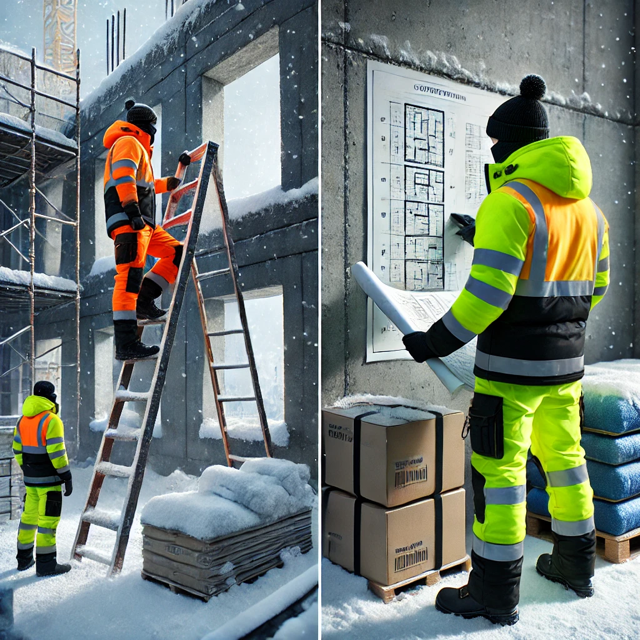
Winter workwear becomes a true safety tool when snow covers the ground and reduces contrast—making reflective, high-visibility clothing absolutely essential. Snow not only reflects sunlight, increasing glare, but also masks surroundings in a uniform white tone, making workers harder to see. That’s why professionals exposed to snowy environments must wear high-visibility winter clothing that meets EN 20471 standards. Jackets like the Portwest S466 are waterproof, insulated, and feature bright yellow or orange fabric with retro-reflective tape. Snowfall, fog, and early dusk all lower visibility, increasing the risk of accidents—especially near roadways or heavy machinery. Workers in construction, logistics, snow removal, and infrastructure repair need certified gear to stay visible at all times. Optimum BHP offers a wide range of such certified garments for cold and snowy environments.
Check out our other blog posts:
Best Smoke Lens Safety Glasses for Welding and Metalwork Professionals
Work Trousers in 2025: Durable, Comfortable, and Tailored for Every Industry
Best High-Visibility Safety Vests for 2025: Top Picks for Maximum Visibility and Workplace Safety
Clear Safety Glasses in 2025: Common Workplace Hazards They Protect Against
Best Winter PPE Sets for Warehouse and Logistics Workers in 2025: Why Urgent Delivers Full-Body Protection on a Budget
Safety Helmets for Working at Heights in 2025: Certified Protection and Comfort Above Ground
⸻
Insulation and Reflectivity: The Two Pillars of Winter Safety
In snow-heavy regions, staying warm is just as important as being seen. Insulated, high-visibility jackets offer dual protection: thermal comfort and visual contrast. The Portwest DX466 4-in-1 jacketprovides a waterproof shell and a quilted inner layer, suitable for working in sleet, snow, and wind. Meanwhile, the CXS London 5-in-1 offers versatile layering and high-visibility coverage for utility and roadwork teams. Visibility without proper insulation can lead to cold stress, just as insulation without visibility can lead to accidents. That’s why choosing dual-certified gear—EN 20471 for visibility and EN 342/343 for thermal and moisture protection—is critical. Modern jackets combine these standards with ergonomic designs for mobility. Your winter workwear should never compromise on either factor.
⸻
Snow-Specific Features to Look for in High-Visibility Jackets
When choosing high-visibility jackets for snowy environments, specific features can enhance both safety and comfort. Extended backs, such as in the Reis Milling jacket, prevent snow from entering at the waist during bending or lifting. Adjustable hoods and storm flaps are critical to shield against wind-driven snow. The Snickers 1130 AllroundWork jacket uses 37.5® technology for body-temperature regulation, which is essential in extreme conditions. Multi-pocket configurations keep gloves, torches, and tools dry and within reach. High-visibility winter jackets with sealed seams and waterproof zippers enhance protection in deep snow and slush. Snow doesn’t only fall—it melts and seeps, making water resistance a crucial factor. Optimum BHP provides a wide range of snow-ready gear tailored for professionals.
⸻
Hi-Vis Jackets That Handle Heavy Snowfall: Top Picks for 2025
Snowy days require high-visibility jackets with proven performance in harsh outdoor environments. The Art.Master Flash Short 2-in-1 is ideal for mobile workers needing visibility and warmth in fast-changing conditions. For full-body protection and multi-shift endurance, the Portwest S766 5-in-1 provides adaptable configurations, a fleece liner, and waterproof shell. Cold storage workers and public service crews also benefit from jackets like the Leber&Hollman XVERT XV, which combines high visibility with extended insulation. For extreme cold and visibility in falling snow, jackets must offer both breathability and wind protection. These top-rated products meet the daily demands of outdoor work in deep winter. Snow shouldn’t mean downtime—it should mean gear up.
⸻
The Cost of Visibility: Budget vs. Premium in Snowy Settings
Is it worth investing in a premium hi-vis jacket when snow piles up? For teams working near moving vehicles or in low-light snowstorms, the answer is often yes. While budget-friendly models like the Urgent HSV provide basic coverage, they may lack the breathability or seam sealing needed for long exposure. Jackets like the Portwest PW364 use premium materials and ergonomic fits to enhance both performance and comfort. Choosing between low-cost and premium options should depend on job intensity, duration of exposure, and terrain. For multi-season use, premium jackets offer longer lifespan and better protection over time. In heavy snowfall, visibility is half the battle—comfort and function complete the picture.
⸻
Ergonomic Design Matters More in Snow-Heavy Work Zones
Snow creates challenges not only for visibility but also for freedom of movement. That’s why ergonomically designed high-visibility jackets like the Snickers 1130 AllroundWork are ideal for workers in utility, rail, or municipal services. These jackets feature pre-bent sleeves, breathable insulation, and reflective elements that maintain compliance even after heavy use. In contrast, stiff or ill-fitting jackets can limit arm range, ride up at the back, or trap sweat—causing discomfort in snow-covered environments. A design that adjusts to the body ensures safety gear won’t distract or restrict the user during demanding tasks. Features like stretch inserts, articulated elbows, and soft inner cuffs make a significant difference during long shifts outdoors. For teams working in snowy weather, ergonomic tailoring is as important as reflectivity or warmth.
⸻
The Role of Multi-Layer Systems in Snowy High-Visibility Workwear
Layering plays a vital role in staying dry, visible, and warm when snow is constant. Modular high-vis jackets, such as the Portwest DX466 4-in-1, allow users to adapt to changes in temperature and activity levels. Inner fleece linings can be removed during milder snowfalls or reattached when blizzards hit. This versatility reduces overheating indoors and hypothermia risks outdoors. Snow soaks clothes quickly if the outer shell is not waterproof or windproof, so jackets must also include sealed seams and high-performance membranes. Layered systems also increase the life of the garment—allowing outer shells and liners to be cleaned separately. Smart layering enhances breathability and keeps workers dry even in melting snow conditions. Look for EN 343 certification for waterproofness combined with EN 20471 for visibility.
⸻
Stand-Out Jackets for Deep Snow Operations
Certain jackets stand out in snowy conditions not only due to their certifications but also their construction quality. The CXS London 5w1 offers versatility, thanks to its detachable elements and waterproof outer shell, ideal for utility repair or road safety crews. The Sara Workwear Alpha Winter HVcombines strong insulation with Class 2 visibility, keeping workers protected in waist-deep snow or prolonged snow-clearing jobs. Brands like Portwest and Snickers Workwear offer high-end alternatives with increased durability, technical fabrics, and professional-grade finishings. Snow is unforgiving, and when it piles up around boots and tools, your jacket becomes your most valuable defense. These options provide maximum warmth, mobility, and visibility even in heavy snowfall or low daylight. Investing in well-reviewed models ensures comfort and safety throughout the winter season.
⸻
Snow Management Teams Need High-Performance Hi-Vis Jackets
Workers responsible for snow management—plowing, shoveling, and salt spreading—are often exposed to snow spray, blizzards, and reduced visibility. For these roles, jackets like the Portwest S766 5-in-1 are essential. This model offers waterproof protection, reflective striping, and an inner fleece for sustained warmth. The Urgent HSV provides a more budget-friendly solution, ideal for short-shift snow removal teams or public park maintenance. Snow teams are frequently exposed to oncoming traffic and require Class 3 visibility to meet legal requirements. Their jackets must withstand abrasions, snow-melt, and repetitive movement. These conditions make low-end non-certified gear a hazard rather than a solution. That’s why snow team supervisors across Europe turn to Optimum BHP for proven high-visibility winter jackets tailored to their teams.
Summary: Why High-Visibility Winter Gear Is Non-Negotiable in Snowy Environments
Snow changes everything—from visibility to mobility to how clothing reacts to moisture. That’s why hi-vis winter jackets specifically designed for snow are critical for staying compliant and safe. Whether you choose flexible options like the Art.Master Eclipse or high-performance models like the Snickers 8134 Quilted Jacket, ensure your team is seen and protected. Browse Optimum BHP’s full selection of certified winter workwear, shop by brand, and don’t miss our FAQ or blog for expert guidance. In snowy conditions, safety starts with visibility—and ends with choosing the right gear.