Work Trousers in 2025: Durable, Comfortable, and Tailored for Every Industry
1. The Central Role of Work Trousers in Modern Workwear
In 2025, work trousers have become one of the most important parts of professional uniforms across industries, replacing outdated models with innovative, ergonomic designs. Workers in construction, logistics, energy, and warehousing depend on durable work pants that guarantee mobility, safety, and comfort during long shifts. Unlike casual trousers, work trousers are engineered with reinforced seams, abrasion-resistant fabrics, and functional features like multi-tool pockets. Employers increasingly see trousers as investments in productivity, since poorly designed clothing can lead to fatigue and reduced efficiency. At Optimum BHP, companies can choose from hundreds of models adapted to specific tasks and sectors. Workers appreciate trousers that combine breathable fabrics with durable finishes, ensuring comfort even in demanding environments. Professional trousers are no longer basic garments but part of a complete PPE system. They integrate seamlessly with work jackets, helmets, and gloves to create full-body protection. The demand for tailored fits has also increased, with slim-fit and ergonomic cuts providing better freedom of movement. Work trousers are now designed with stretch panels to adapt to active tasks like climbing, kneeling, or lifting. Employers recognize that trousers significantly affect compliance, as workers are more likely to wear PPE that feels comfortable. The rise of specialized categories, from summer work trousers to thermal versions, reflects seasonality in professional clothing. In 2025, trousers represent more than protection—they are symbols of modern professionalism. Companies that invest in high-quality work trousers gain not only safety but also reputational benefits in recruitment and retention. Workers equipped with the right trousers perform better and remain safer. This demonstrates why trousers are now at the center of workwear strategies.
Get inspired by more of our blog posts:
Top Metal-Free S3 Safety Boots in 2025: Comfort, Safety, and Zero Compromise
Warmth, Protection and Value — All in One Jacket
Delta Plus Protective Helmets for 2025: European Safety with a Modern Design
Clear Safety Glasses for Indoor vs Outdoor Work – How to Choose in 2025
Procera Winter Safety Boots: Reliable Protection for Cold-Season Workers
Fleece Work Jackets for Harsh Environments: Function and Warmth in One Layer
⸻
2. Durability and Long-Term Value of Work Trousers
Durability is one of the main reasons employers prioritize professional trousers in procurement. Unlike casual clothing, work trousers are subjected to constant abrasion, stretching, and exposure to dirt, chemicals, and mechanical stress. Reinforced fabrics such as canvas, Cordura®, and ripstop are now standard in modern designs. Workers appreciate that reinforced knees, double stitching, and heavy-duty zippers extend garment life. Employers benefit from reduced replacement costs, which is essential for organizations with large teams. At Optimum BHP, many trousers feature replaceable knee pad pockets, further extending lifespan. The use of abrasion-resistant panels in high-contact zones ensures trousers withstand years of use. Employers increasingly align PPE investments with sustainability goals by choosing long-lasting trousers. Durability also means improved safety, as intact clothing provides consistent protection against hazards. Flame-resistant trousers, for example, maintain certification over extended wear cycles. Cost-effectiveness is a critical argument—long-lasting trousers reduce waste and align with eco-friendly practices. Workers gain confidence when equipped with trousers that endure the toughest conditions. In construction, durable trousers reduce risks of tearing during climbing or kneeling. In warehouses, robust fabrics withstand contact with pallets, machinery, and sharp edges. In logistics, trousers endure frequent bending and movement without losing shape. Durability is also linked to professional image, as trousers retain form and color longer. Employers recognize that trousers represent company standards as much as safety helmets or jackets. In 2025, durability is a synonym for both safety and responsibility.
⸻
3. Comfort and Ergonomic Design in Work Trousers
Comfort is just as important as durability in modern work trousers, and 2025 designs reflect this priority. Workers now expect trousers to support mobility without restricting movement. Ergonomic cuts with pre-bent knees and elastic waistbands have become common features. Stretch work trousers use fabrics with elastane or 4-way stretch panels to provide maximum flexibility. Employers report higher compliance when workers feel comfortable wearing their gear. Breathable fabrics reduce heat buildup during physical activity, improving focus and reducing fatigue. Adjustable waistbands and multiple size options guarantee inclusivity for all body types. At Optimum BHP, ergonomic trousers combine durability with high levels of comfort. Workers benefit from trousers designed to accommodate kneeling, bending, and lifting without discomfort. Seasonal versions include lightweight summer trousers and insulated winter models. Comfort also influences morale, as workers feel valued when provided with gear that improves daily routines. In logistics and transport, ergonomic trousers ensure drivers and warehouse teams can work efficiently. In construction, pre-shaped knees reduce strain during long hours of crouching. Comfort translates into safety because fatigued workers are more prone to accidents. Employers who invest in ergonomics demonstrate commitment to health and safety. Workers recognize the difference between standard and ergonomic trousers immediately. By 2025, comfort has become one of the most important selling points of PPE. The focus on ergonomics signals that workwear has finally caught up with the needs of the modern workforce.
⸻
4. Seasonal Adaptability: Summer and Winter Work Trousers
Seasonality plays a huge role in the selection of work trousers. Employers must provide clothing that adapts to both hot summers and freezing winters. Summer work trousers are designed with lightweight fabrics, ventilation zones, and moisture-wicking properties. These features ensure workers stay cool and dry during high temperatures. Workers in logistics and outdoor construction benefit from trousers that prevent overheating. In winter, insulated and fleece-lined trousers provide warmth while maintaining flexibility. Layering systems allow trousers to be worn with thermal underwear or waterproof shells. Employers value the adaptability of multi-season garments that reduce procurement complexity. Workers prefer having trousers suitable for different weather conditions without sacrificing durability. At Optimum BHP, companies can find seasonal trousers tailored to specific environments. Breathable summer trousers improve productivity by reducing discomfort in extreme heat. Winter trousers reduce the risk of hypothermia and related health issues. Employers benefit from reduced absenteeism due to weather-related illnesses. Seasonal trousers also support compliance with health and safety standards. By 2025, PPE strategies must account for climate change and extreme weather. Adaptability ensures trousers remain relevant across diverse regions in Europe. Seasonal trousers help companies avoid over-purchasing and optimize costs. Workers gain confidence knowing they are equipped for any condition. Seasonal adaptability is now a standard requirement in professional trousers. Employers who ignore this risk losing both safety and productivity.
⸻
5. Women’s Work Trousers: Inclusivity in PPE
Inclusivity has become a central theme in 2025, and women’s work trousers represent this evolution. Female workers in construction, logistics, and technical fields require trousers that fit their body shapes. Employers are increasingly adopting women-specific cuts to promote comfort and equality. Properly fitted trousers reduce discomfort and increase compliance with safety protocols. At Optimum BHP, companies can source durable and stylish women’s models. These trousers feature tailored waistbands, narrower hips, and ergonomic designs adapted for female mobility. Workers appreciate the inclusion of women-specific clothing as a sign of respect and professionalism. Inclusivity also boosts morale and workplace culture, supporting retention of skilled female staff. Women’s trousers include all the technical features of men’s models, from reinforced knees to multi-functional pockets. Employers recognize that equal PPE is essential for both legal and ethical reasons. Women in leadership positions set examples by using proper professional clothing. Inclusivity demonstrates that safety culture extends to every team member. Workers perform better when equipped with clothing that fits correctly. Gender inclusivity in PPE is now seen as a necessity, not an option. Companies that invest in tailored clothing for women build reputations as progressive employers. Proper trousers reduce risks of injury caused by poorly fitted garments. In 2025, women’s trousers stand as symbols of equality, professionalism, and safety.
⸻
6. Functional Features in Work Trousers
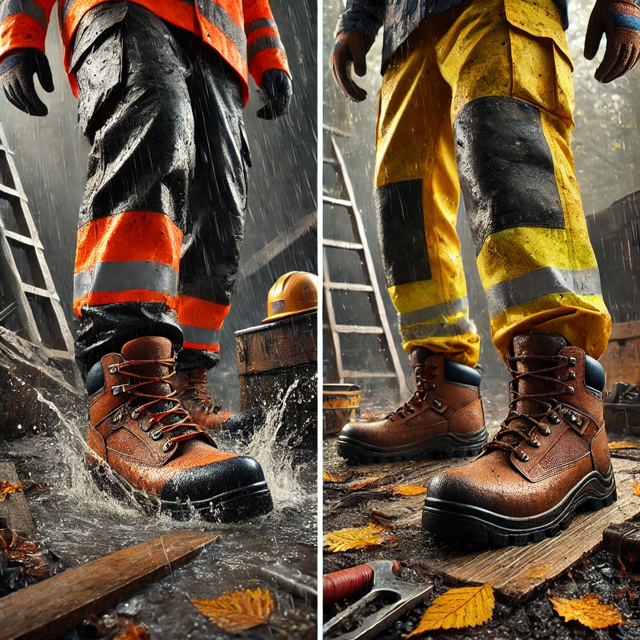
Modern work trousers are packed with functional features designed to make workers’ lives easier. Multiple tool pockets, ruler holders, and reinforced loops allow workers to carry equipment hands-free. Knee pad pockets ensure comfort during tasks requiring kneeling. Reflective details improve visibility in low-light conditions. Waterproof coatings protect against rain and spills. Ventilation zippers add breathability for hot environments. At Optimum BHP, trousers are available with features tailored to specific industries. Electricians benefit from flame-resistant fabrics with anti-static properties. Builders rely on trousers with hammer loops and heavy-duty pockets. Logistics workers appreciate lightweight, flexible models for fast-paced environments. Women’s trousers also include functional elements designed for practical use. Ergonomic waistbands prevent slippage, and adjustable hems provide versatility. The integration of high-tech fabrics improves both comfort and durability. Functional trousers reduce the need for carrying additional equipment belts. Employers value designs that improve efficiency on job sites. Workers report higher productivity with trousers that combine functionality and comfort. Functional features also reduce safety risks, as essential tools remain secure. By 2025, trousers without added functionality are no longer competitive. The new standard includes smart design focused on efficiency and worker needs.
⸻
7. Sustainability and Eco-Friendly Work Trousers
Sustainability is shaping procurement strategies in 2025, and work trousers are part of this shift. Employers increasingly demand eco-friendly fabrics and processes to reduce environmental impact. Trousers made from recycled polyester and organic cotton blends are gaining popularity. At Optimum BHP, companies can find models aligned with sustainability goals. Long-lasting trousers reduce waste by extending garment lifespans. Workers support eco-friendly clothing as part of corporate responsibility culture. Employers value certifications like OEKO-TEX® that prove safe and sustainable production. Durable fabrics require less frequent replacement, lowering costs and emissions. Companies use sustainable PPE as part of branding to attract eco-conscious clients. Recyclable packaging and modular trousers add to the green approach. Workers appreciate being part of organizations that care for the environment. Sustainability also reduces compliance risks with EU environmental regulations. Employers gain reputational advantages by adopting eco-friendly trousers. Modern manufacturing combines sustainability with performance, ensuring no compromise in durability. In construction, sustainable trousers demonstrate both professionalism and responsibility. Logistics and transport companies use eco-friendly uniforms to align with CSR strategies. By 2025, sustainability is no longer optional but integral to PPE procurement. Work trousers symbolize the intersection of safety, performance, and environmental care.
⸻
8. Industry-Specific Applications for Work Trousers
Different sectors have different requirements, and work trousers now come in specialized designs. Construction workers prefer heavy-duty trousers with reinforced knees and abrasion-resistant fabrics. Logistics teams rely on lightweight, flexible trousers for fast movement. Electricians and engineers use flame-resistant models to protect against sparks and arc flashes. Summer trousers are essential for outdoor jobs in high temperatures. Women’s trousers address inclusivity while maintaining durability. At Optimum BHP, employers can source trousers for every industry. Energy sector trousers include anti-static and high-visibility features. Road maintenance teams benefit from reflective trousers for night work. Cold storage employees wear insulated models to maintain warmth. Industrial plants require trousers resistant to chemicals and mechanical stress. Tailored solutions improve compliance and efficiency across sectors. Employers report higher satisfaction when trousers are adapted to job-specific needs. Industry-focused trousers also streamline procurement by reducing mismatched clothing. Workers appreciate trousers that align with their tasks, improving performance. In 2025, trousers are considered core PPE, not just uniform items. Specialized trousers demonstrate how PPE has evolved into strategic tools. Each industry benefits from models designed for its unique challenges.
⸻
9. Making the Right Procurement Choice in 2025
Selecting the right work trousers in 2025 requires balancing safety, comfort, durability, inclusivity, and cost. Employers must evaluate workplace hazards, seasonal conditions, and worker demographics. Stretch trousers are essential for dynamic tasks requiring full mobility. Women’s trousers ensure inclusivity and compliance with diversity goals. Summer trousers address climate challenges, while insulated trousers ensure winter readiness. Employers also prioritize cost-effectiveness by purchasing durable models with long lifespans. At Optimum BHP, companies benefit from expert advice and bulk pricing. Workers prefer trousers with ergonomic features that reduce fatigue. Procurement strategies now recognize PPE as an investment, not just an expense. Employers gain long-term ROI by reducing accidents, downtime, and replacement costs. Companies also align purchases with sustainability targets by choosing eco-friendly trousers. Workers appreciate being provided with modern clothing that improves safety and morale. Inclusivity, comfort, and durability are central to procurement decisions. By 2025, work trousers represent more than safety—they symbolize professionalism and care. Optimum BHP supports employers with a wide selection of trousers for every sector. The right choice ensures safety, compliance, and productivity across all teams.
⸻
Conclusion: Work Trousers in 2025: Durable, Comfortable, and Tailored for Every Industry
In conclusion, work trousers in 2025 stand as the foundation of professional workwear across industries. They combine durability, ergonomic comfort, seasonal adaptability, inclusivity, and sustainability. Workers benefit from models tailored to their industries, including stretch trousers, summer versions, and women’s designs. Employers value long-term ROI, reduced replacement needs, and improved compliance. Functional features like reinforced knees, multi-tool pockets, and reflective details enhance daily safety. Industry-specific models demonstrate the evolution of trousers from uniforms to strategic PPE. Sustainability goals further support adoption of eco-friendly trousers across Europe. Companies gain reputational benefits by demonstrating responsibility through PPE. At Optimum BHP, employers can explore resources and case studies for informed choices. Our FAQ on Workwear & Safety provides additional guidance for procurement teams. By 2025, work trousers symbolize innovation, professionalism, and responsibility. They are not just garments—they are essential tools that support safety and efficiency. Optimum BHP ensures access to certified, ergonomic, and sustainable trousers for every workforce. The right trousers empower workers to perform at their best. For employers, they represent long-term investments in safety culture and productivity. Work trousers will continue to evolve, but their importance as core PPE is undeniable.