Why Layering High-Visibility Winter Workwear Matters for 2025
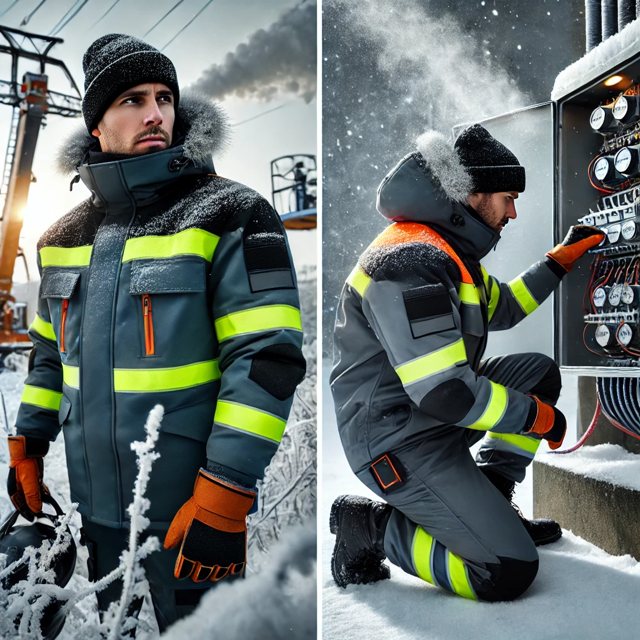
When working outdoors in winter, especially in low-light or high-traffic areas, combining insulation with visibility is crucial. The right high-visibility workwear should not only keep workers warm but also ensure they’re easily seen, even in snow or fog. At Optimum BHP, professionals can find a full range of winter workwear, including insulated hi-vis jackets, vests, and layering garments designed for maximum protection. A smart layering system often starts with thermal base layers, followed by mid-weight fleece or hi-vis vests, and finishes with a waterproof or windproof outer shell. For those in emergency services, road construction, or rail work, proper layering is not just a comfort feature—it’s a safety standard. Be sure to explore our expert blog and relevant FAQ to learn how to choose and care for your workwear this winter.
Explore similar posts on our blog:
Why Autumn Work Footwear Needs to Be More Than Just Waterproof: The 2025 Safety and Comfort Checklist
Best Insulated Work Jackets with Reflective Features for Cold and Low-Light Conditions 2025 Guide
Top-Rated Winter Work Boots with Safety Toe Caps in 2025: Comparing Steel, Composite, and Metal-Free Protection
How to Choose the Right Waterproof Winter Workwear for Snowy Construction Sites in 2025
Why Certified Flame-Resistant Jackets with Insulation Are Essential for Winter Outdoor Jobs in 2025
How to Choose Thermal Gloves for Cold Storage Work in 2025: Safety, Dexterity, and Durability
⸻
Start with a Thermal and Visible Base Layer
The base layer is where warmth begins. While many associate base layers with comfort, few realize that some thermal shirts also come with high-visibility accents, making them ideal for layered safety systems. In freezing temperatures, a breathable, sweat-wicking shirt provides the foundation that prevents heat loss while reducing moisture buildup. When worn under other hi-vis garments, it adds an extra dimension of warmth without adding bulk. Choose fabrics that retain body heat but also allow for full mobility. A properly fitted base layer ensures you won’t need to overcompensate with overly thick outerwear. This improves both safety and comfort, especially during physically demanding jobs.
⸻
Mid-Layers: Hi-Vis Fleece and Softshell Vests That Insulate and Breathe
The mid-layer should provide warmth and flexibility, and high-visibility options make them even more effective in hazardous settings. Softshell vests like the Portwest TK51 combine insulation with breathable panels and reflective elements. Similarly, the CXS Seattle vest offers water resistance and insulation, perfect for construction zones. Many of these vests come in reversible styles for versatility and increased visibility. Some models, like the Benefit Marino Polstar vest, also add windproof features. These hi-vis mid-layers are ideal for workers who transition between indoors and outdoors throughout the day. By layering smartly, professionals can adjust their outfit without compromising safety compliance.
⸻
Outer Layer: Choose Jackets That Do It All
The outermost garment in your winter system must handle wind, rain, snow, and low visibility—all at once. This is where performance hi-vis jackets shine. The Portwest S466 is a perfect budget-friendly option that combines waterproof protection with insulation and reflective striping. For a more advanced alternative, the CXS London 5w1 jacket provides multiple wear configurations with detachable elements. High-end models like the Snickers 1130 offer premium thermal regulation and ergonomic design. When choosing your outer shell, consider features such as hood adjustability, sealed seams, and multiple EN certifications. A great jacket not only keeps out the cold—it ensures full compliance and all-day visibility.
⸻
Portwest vs. Budget Brands: What’s the Difference in Layering Strategy?
When comparing premium brands like Portwest to value-oriented alternatives such as Polstar or Art.Mas, the difference lies in materials, durability, and certifications. For example, the Portwest DX466 provides high insulation with EN ISO 20471 and EN343 waterproofing, ideal for long shifts in rain and wind. Meanwhile, the Art.Mas Eclipse Oxford offers great insulation and visibility at a lower cost but may lack multi-standard certification. Premium brands tend to have ergonomic tailoring, higher breathability ratings, and advanced thermal materials. Budget options, however, still provide adequate protection for short-term or less extreme conditions. Understanding your site requirements helps determine which layers make the best investment.
⸻
Customizing Your Layered Look: Add Branded Logos for Team Visibility
Many companies prefer to enhance their hi-vis workwear with embroidered or printed logos, especially for outerwear like jackets or vests. This not only improves brand visibility but helps identify team members on large worksites. At Optimum BHP, businesses can personalize hi-vis garments for winter using embroidery or high-durability printing. These customizations don’t interfere with EN standards when placed correctly. Branded outerwear also increases wearer responsibility—employees are more likely to maintain and wear high-quality, customized items. Layering also helps segment branding elements: your base or mid-layer can carry different visual elements than your top shell. Smart design means smart visibility and identity.
Choose 2-in-1 or 5-in-1 Jackets for Maximum Flexibility
One of the smartest solutions for winter layering is a multi-functional jacket that adapts to changing weather and work environments. The CXS London 5w1 jacket is a great example, offering five different configurations, including a vest option and a detachable lining. For professionals seeking high versatility without sacrificing visibility, such jackets reduce the need for multiple garments. Similarly, the Portwest S766 5-in-1 jacket combines waterproof, insulated, and reversible features with Class 3 high-visibility certification. These all-in-one designs make layering more efficient, especially for mobile teams and outdoor crews. When combined with thermal base layers, they offer both warmth and adaptability. Investing in a jacket with modular components can greatly improve comfort and productivity in winter.
⸻
Highlighting Affordable Yet Certified Hi-Vis Jackets
Budget-friendly options can still meet professional safety and insulation requirements. The Urgent HSV reflective jacket offers insulation and EN 20471 visibility at an accessible price, making it ideal for seasonal workers or large teams. Another affordable option is the Flash Short 2-in-1 by Art.Mas, which includes a removable inner vest and reflective detailing. These jackets still provide waterproof or wind-resistant materials suitable for most winter days. While they may not include premium fabrics or ergonomic tailoring, they are sufficient for shorter shifts or milder climates. Many companies outfit temporary staff in these models without compromising safety standards. Layering these jackets over branded hi-vis vests can enhance visibility further. Affordable doesn’t mean inadequate—just tailored to different needs.
⸻
The Role of Extended Back Panels and Ergonomic Cuts
A commonly overlooked feature in hi-vis winter jackets is the cut and length of the back panel. Jackets such as the Reis Milling model include an extended lower back that provides extra protection when bending or kneeling. This is especially useful in construction or maintenance jobs where posture frequently shifts. Jackets with ergonomic cuts allow for better movement, particularly when layered over fleece or base garments. Freedom of movement is just as important as insulation or reflectivity. Brands like Leber&Hollman offer tailored designs, such as the LH-XVERT-XV jacket, that combine structure with comfort. A well-fitting jacket improves safety by staying close to the body without restricting motion. This is vital for long shifts in cold, high-risk environments.
⸻
Insulated Bomber Jackets for Maximum Mobility
Bomber-style jackets are increasingly popular for their balance of warmth and mobility. The Portwest C467 is a standout example, offering a 3-in-1 solution with removable sleeves and waterproof functionality. It’s especially favored in transport, logistics, and short-shift outdoor work. Bomber cuts allow for a full range of arm motion, which is essential when performing tasks such as lifting or equipment handling. They layer well over slim thermal base layers and don’t bunch around the waist like longer jackets might. The Portwest S266 is another excellent hi-vis bomber with thick insulation and storm cuffs. These jackets work well with branded safety helmets and high-visibility trousers, creating a full compliant outfit. For active workers, bombers offer both freedom and full-day protection.
⸻
Hi-Vis Parkas That Blend Style with Safety
Longer-cut parkas offer superior insulation and weather resistance, especially during harsh winters. The Alpha Winter HV parka by Sara Workwear is stylish, comfortable, and fully compliant with high-visibility standards. Its short parka design allows for layering beneath while offering excellent torso coverage. Meanwhile, the Benefit Hi-Vi Safe BHVS01 parka from Polstar combines practicality with a cost-effective build. These options are often lined with quilted insulation, which traps heat better than generic padding. Parkas are ideal for long exposure to cold weather, particularly in road, airport, and utility work. Their roomy cut also allows for additional fleece or softshell vests underneath. Combining insulation, EN ISO 20471 compliance, and waterproofing, parkas remain a top-tier choice.
⸻
The Future of Layered Hi-Vis Clothing Is Adaptability
As work environments and climate conditions evolve, layering systems will only become more technical. Garments like the Portwest DX466 offer integrated body-mapped insulation with breathable stretch zones, reflecting the future of high-performance winter wear. The growing use of multi-norm certification ensures that workers are protected from more than just the cold—impact, fire, and electrical hazards are also addressed. With the rise of personalization and digital ordering, even advanced layering setups can now be custom-branded with ease. As product design improves, the combination of lightweight base layers, insulating mid-layers, and protective outerwear will continue to raise standards. Workers should choose gear that not only meets regulations but improves day-to-day efficiency. Optimum BHP’s curated collection of hi-vis winter gear is ready to support these next-level demands.
⸻
Conclusion: Why Layering High-Visibility Winter Workwear Matters for 2025
Layering your high-visibility winter workwear is more than just adding warmth—it’s about maximizing comfort, compliance, and visibility throughout the workday. Start with a reliable base layer, then add thermal vests, and finish with performance outer jackets. Whether you choose premium brands like Snickers Workwear or flexible 2w1 jackets from CXS Canis, Optimum BHP offers reliable, compliant, and affordable solutions for every industry. Explore the full blog, get answers in our FAQ section, and trust a supplier that understands the demands of modern job sites.
