
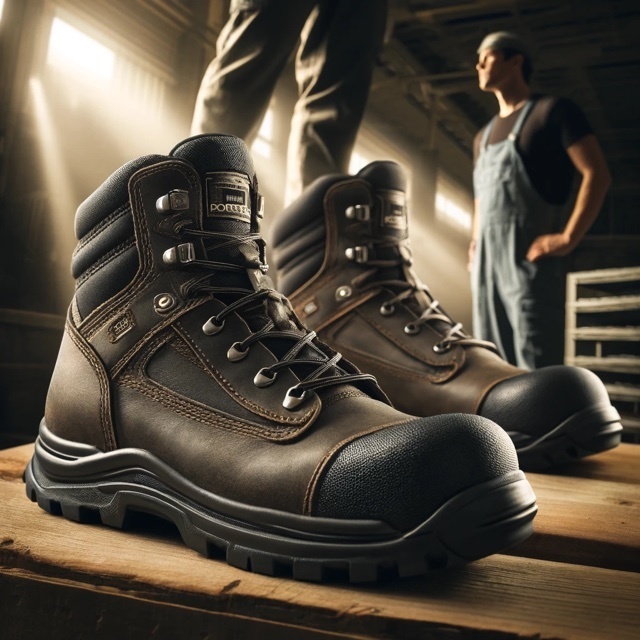
Why Autumn Work Footwear Needs to Be More Than Just Waterproof: The 2025 Safety and Comfort Checklist
When preparing for unpredictable autumn weather, professionals need more than just basic waterproof shoes. Workwear, autumn workwear, and especially safety footwear must meet multiple performance criteria. It’s not just about staying dry — workers require protection from cold, slippery surfaces, and long hours of wear in changing conditions. That’s why it’s important to explore options that offer insulation, slip resistance, and shock absorption. Insulated work shoes for autumn should be breathable, ergonomic, and compliant with relevant European safety standards. For detailed buying advice, the Optimum BHP blog and FAQ section offer expert guidance. You can browse the full range of certified models directly in the Optimum BHP store.
Discover more articles on our blog:
How to Choose Thermal Gloves for Cold Storage Work in 2025: Safety, Dexterity, and Durability
Why Certified Flame-Resistant Jackets with Insulation Are Essential for Winter Outdoor Jobs in 2025
How to Choose the Right Waterproof Winter Workwear for Snowy Construction Sites in 2025
Best Insulated Work Jackets with Reflective Features for Cold and Low-Light Conditions 2025 Guide
Top-Rated Winter Work Boots with Safety Toe Caps in 2025: Comparing Steel, Composite, and Metal-Free Protection
Kurtki robocze ocieplane – niezawodna ochrona i komfort na chłodne dni na blogu BHP
______
Autumn Work Hazards Go Beyond Wet Weather
Autumn brings challenges beyond rain: sudden temperature drops, early sunsets, and unpredictable terrain. Shoes that are merely waterproof often fail to address other crucial factors like thermal insulation or slip resistance. Choosing certified S3-rated footwear, for example, offers extra protection with features like steel toe caps and puncture-resistant midsoles. Workers in logistics, outdoor maintenance, and construction need shoes that can adapt to wet grass, mud, gravel, and concrete — sometimes all in one day. Models like the Urgent S3 101 boots combine rugged waterproofing with insulation for colder mornings. Autumn hazards require a layered, holistic approach to footwear selection.
Look for Footwear That Supports Prolonged Standing and Movement
Autumn job sites often require long shifts in dynamic environments. That’s why workers need shoes that reduce fatigue through ergonomic support. Look for outsoles made from dual-density PU or rubber compounds designed for flexibility and cushioning. Anti-shock heels and breathable linings make a noticeable difference during extended use. The Base Protection B0892B S3 boots are a great example, combining high-end comfort technology with premium safety features. Wearing improper footwear for 8–10 hours daily in autumn conditions can lead to long-term joint and back pain. Therefore, autumn shoes should not only shield you from elements but also actively support body mechanics.
Choose Models with Certified Insulation and Breathability
In autumn, insulation becomes crucial — but it must be balanced with breathability to avoid overheating and sweat accumulation. Moisture inside the shoe can be just as dangerous as rain outside, leading to blisters, fungal infections, or cold stress. Footwear such as Portwest FW57 Steelite Boots includes both thermal lining and moisture-wicking membranes. These features maintain foot temperature and dryness during varying autumn conditions. Make sure to check if the footwear has the CI (Cold Insulation) marking, especially when selecting S3-rated shoes for outdoor tasks. Autumn isn’t just wet — it can be unexpectedly cold, especially at dawn or dusk. Proper insulation becomes a safety requirement, not a luxury.
Anti-Slip Soles Are a Must for Autumn Terrain
Rain-soaked leaves, oily surfaces, and sloped construction areas create major slip risks in autumn. That’s why SRC-rated slip resistance should be a priority. Shoes like the PROCERA FORCE S3 use deep-tread, oil-resistant soles designed for maximum traction. Good grip can reduce not just the risk of falling but also strain from constantly correcting your balance. Autumn terrain is among the most variable of the year — from gravel to mud to polished concrete — and your shoes must adapt. Anti-slip soles often go hand in hand with self-cleaning tread patterns, which prevent buildup of soil or wet leaves. Investing in proper grip technology is crucial for autumn safety.
Don’t Forget Breathable and Weather-Sealed Uppers
While soles get a lot of attention, uppers are equally important for autumn work shoes. Breathable materials like microfiber or mesh-lined leather offer protection from rain while allowing vapor to escape. This prevents discomfort during temperature swings or indoor/outdoor transitions. Reinforced seams and weather-sealed laces are also key — especially in models like the Urgent 301 shoes designed for varied environments. Look for gusseted tongues and padded collars to block debris and water intrusion. A good autumn shoe should combine barrier performance with thermal regulation, supporting both outdoor and semi-enclosed job sites. Uppers must be functional, but also easy to clean — a practical concern during daily autumn use.
⸻
Consider Lightweight but Durable Materials for Daily Autumn Wear
Autumn work footwear should be durable yet lightweight to reduce fatigue, especially in roles that require constant walking or climbing. Heavy-duty materials like split leather or microfiber composites provide a balance of strength and comfort. Models from Base Protection or Urgent often utilize such hybrid constructions to improve daily performance. Choosing work shoes that minimize weight while resisting abrasion can be vital on muddy or uneven autumn terrain. It’s not just about comfort — lighter shoes also improve foot mobility and reduce strain on the knees. Reinforced toe caps and anti-perforation midsoles should remain standard, even in lightweight models. Autumn weather is unpredictable, so a flexible but protective shoe becomes a daily necessity.
High-Cut vs. Low-Cut: What’s Better for Autumn Conditions?
Choosing between high-cut and low-cut autumn safety footwear depends on the nature of the work environment. High-cut models such as Insulated work boots offer better ankle support, protection from puddles, and added insulation. They are ideal for construction, forestry, and logistics in harsh outdoor settings. On the other hand, low-cut work shoes provide greater flexibility and are better suited for tasks that involve crouching or climbing ladders. Some professionals alternate between both types depending on the task and weather forecast. For optimal versatility, consider having one of each style during the autumn season. Brands like Procera and Portwest offer a wide range of both options.
Footwear Must Comply with EN ISO Standards
Autumn safety footwear should always meet relevant EU safety standards such as EN ISO 20345. Certification ensures resistance to slips, water absorption, toe impact, and cold temperatures. When browsing work shoes for autumn, verify the presence of symbols like S3, CI (cold insulation), WR (water resistant), and SRC (slip resistant). Products that do not meet these minimum certifications pose serious workplace hazards — especially in wet and windy autumn conditions. For professionals working at height or in high-risk zones, additional anti-static or ESD protection might also be required. The Optimum BHP FAQ explains these certifications in more detail. Investing in certified models protects not only the wearer but also employers from legal liability.
Autumn Footwear Should Integrate with the Rest of the Workwear System
Footwear doesn’t operate in isolation — it must integrate seamlessly with autumn workwear and other PPE. For instance, shoes must be compatible with insulated trousers, gaiters, or waterproof overalls. Seam overlap, ankle coverage, and cuff height all matter when layering in wet environments. Wearing shoes with too low a profile or poor sealing can let in moisture, even if the trousers are waterproof. This is particularly true when squatting or kneeling during tasks like cable laying or repair work. Portwest and Sara Workwear offer footwear models designed to work with layered PPE systems. Check Optimum BHP for full outfit solutions suited to outdoor autumn jobs.
Lacing Systems and Closure Types Matter in Autumn
In wet, cold, and muddy conditions, the design of a shoe’s closure system becomes surprisingly important. Speed-lacing systems and waterproof zippers allow workers to don or remove shoes quickly without removing gloves. Standard laces can become soaked, frozen, or knotted — especially if they aren’t treated for weather resistance. Some brands like Snickers Workwear and CXS Canis feature smart lacing mechanisms or reinforced grommets that improve long-term performance. Lacing systems must be both secure and practical to use in damp environments. A poor lacing design can lead to pressure points, moisture penetration, or ankle instability. That’s why autumn footwear should combine water protection with real-world usability.
Conclusion: Why Autumn Work Footwear Needs to Be More Than Just Waterproof: The 2025 Safety and Comfort Checklist
Proper maintenance is crucial for extending the life of autumn safety footwear, especially in wet and abrasive conditions. After each shift, boots should be cleaned of mud and dried naturally — not near direct heat sources, which can damage materials. Using waterproofing sprays or leather conditioners helps maintain surface protection over time. Removable insoles should be aired out regularly to prevent bacterial buildup. It’s also wise to rotate between two pairs to allow drying between uses — an essential practice for wet autumn weeks. The Optimum BHP blog offers seasonal maintenance guides for various footwear types. With proper care, autumn work shoes can maintain their protective properties and extend their usable lifespan significantly.
