
How to Layer Winter Workwear Effectively: A Complete Guide for Outdoor Workers
Start with a High-Quality Base Layer
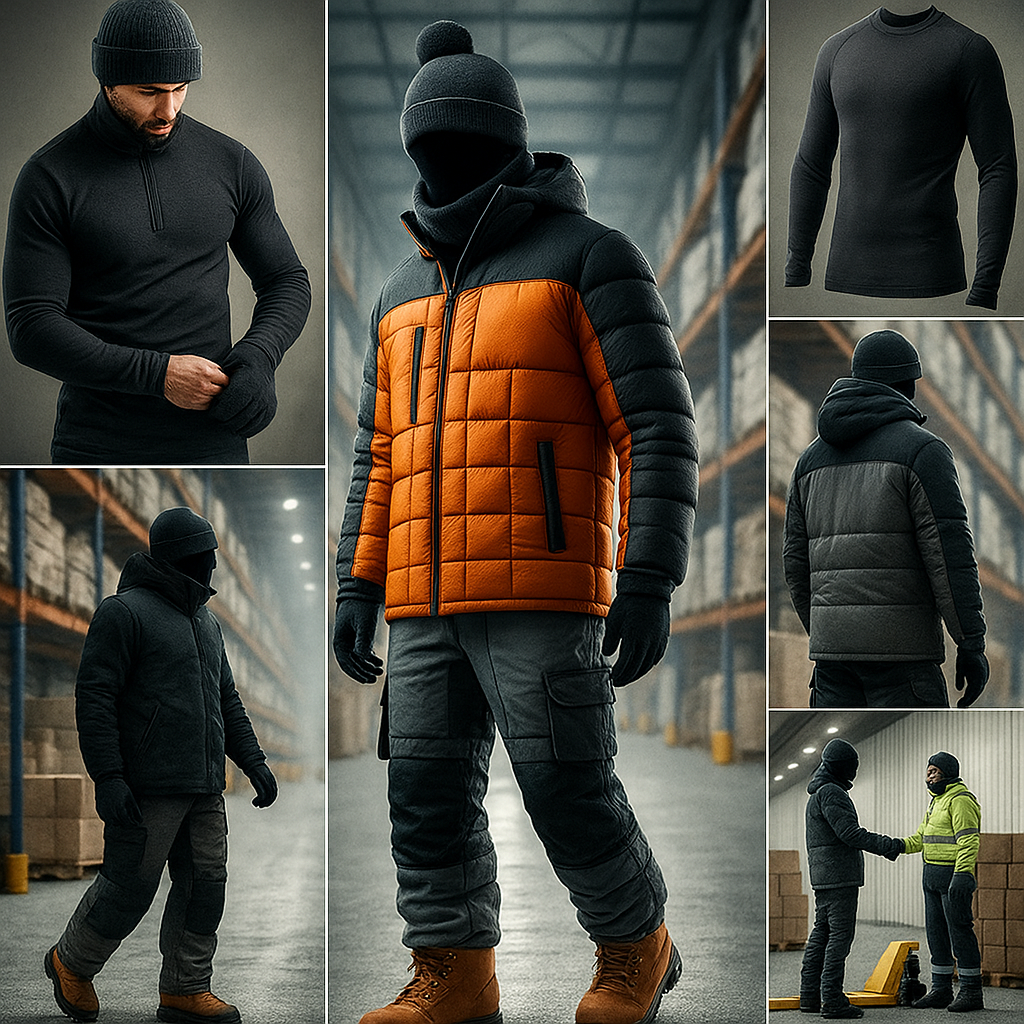
Proper layering begins with the right base layer. This is the layer worn closest to the skin, and its main role is to wick away sweat and moisture. In cold conditions, staying dry is as important as staying warm. Thermal shirts made from synthetic fibers or merino wool are excellent for regulating body temperature. At Optimum BHP, we recommend starting with certified workwear and building up to a full winter workwear system that suits your industry. For guidance on product choices and technical specifications, explore our Winter Workwear FAQ and the Optimum BHP blog, where we regularly publish expert advice for construction, logistics, and outdoor sectors.
Dive into more blog content:
Winter Safety Shoes 2025: Recommended Footwear for Agricultural Workers
Blue-Tinted Safety Glasses 2025: Style and Protection in Modern Work Environments
Winter Work Trousers in 2025: Insulated Protection for Extreme Conditions
High-Visibility Safety Vests for Key Industries in 2025: Construction, Logistics, and More
Clear Safety Glasses 2025 – Which Models to Choose for Indoor and Outdoor Work?
Procera Protective Helmets for 2025: Reliable Safety at an Affordable Price
____________
Add an Insulated Mid Layer for Core Warmth
The mid layer acts as your insulation. This could be a fleece jacket, a thermal hoodie, or a quilted softshell. Its job is to trap body heat and provide a buffer from the cold. Workers in cold storage facilities, roadside crews, or outdoor assembly lines can benefit from this layer, especially when working in static positions. Brands like Urgent, Procera, and CXS Canis offer affordable insulated mid layers that are breathable and easy to move in, making them ideal for daily use.
Choose the Right Outer Layer: Waterproof and Windproof
The outermost layer is your shield against wind, rain, and snow. It should be windproof, waterproof, and durable. Insulated work jackets from Portwest, Sara Workwear, and Procera combine weather resistance with thermal insulation. Popular models include the DX465 3-in-1 Waterproof Jacket and the Comfort Winter by Sara Workwear. For maximum visibility on the road, hi-vis insulated jackets such as Sniper by Procera meet EN 20471 standards.
Layering for Different Professions and Work Environments
Layering isn’t one-size-fits-all. Construction workers may need heavy-duty jackets and thermal trousers, while warehouse workers benefit from lighter, more breathable options. Insulated trousers and softshells allow teams to adjust to conditions. A road worker may combine a thermal hi-vis softshell with waterproof boots like the Urgent 106 S3 Winter Boots. The ability to add or remove layers based on activity level or weather is key to comfort and productivity.
Don’t Forget Accessories: Hats, Gloves, and Neck Warmers
Even the best winter workwear is incomplete without protective accessories. Thermal gloves protect hands from frostbite and provide grip. Winter beanies and hats insulate the head and reduce heat loss. For teams working in open areas or on scaffolding, insulated balaclavas or face masks are recommended. Optimum BHP also offers customization services to add logos to jackets or hats, enhancing visibility and brand recognition in public projects.
Choose Insulated Workwear That Protects Against Wind and Moisture
An effective middle layer provides insulation and retains body heat without restricting mobility. This layer typically consists of insulated workwear such as fleece-lined sweatshirts, padded vests, or softshell jackets. When selecting winter clothing for work, it’s essential to consider wind resistance and water-repellent properties — especially for outdoor tasks in construction, logistics, or road maintenance. Our collection at Optimum BHP includes winter garments tailored for both warmth and weather resistance, such as those from Procera, Sara Workwear, and Polstar.
Don’t Overlook a High-Performance Outer Shell
The outer layer is your shield against wind, snow, and rain. For maximum protection, opt for insulated jackets that meet at least EN 343 waterproof standards and feature taped seams or windproof membranes. Popular choices from our store include 3-in-1 parkas, padded softshells, and hybrid jackets from brands like Urgent and CXS Canis. These jackets are not only durable and breathable but also compatible with visibility standards for hazardous worksites. To see how different styles compare, explore our guides on the Optimum BHP blog.
Prioritize Winter Workwear That Balances Warmth and Mobility
Too many layers or bulky garments can restrict movement and reduce productivity. The goal is to layer smart, not heavy. By combining thermal base layers, insulated mid-layers, and flexible waterproof outerwear, you can maintain full mobility while staying warm. In industries like construction or warehouse logistics, workers often alternate between cold outdoor zones and warmer interiors, making breathable and quick-drying winter workwear a must-have. Look for stretch materials or ventilated panels in jackets and trousers — features increasingly available in modern technical workwear collections.
Insulated Trousers and Bib Overalls for Full Lower Body Protection
Insulation shouldn’t stop at the waist. Cold legs, especially when kneeling or sitting on cold surfaces, lead to rapid heat loss. Our insulated trousers and bib overalls are built to block cold and moisture from the ground up. Choose products with reinforced knees, internal gaiters, and adjustable straps to ensure a snug fit. Brands like Delta Plus and Snickers Workwear offer highly functional insulated bottoms for the most demanding conditions. These products are ideal for road workers, utility professionals, and machine operators exposed to sub-zero temperatures.
Always Match Your Winter Workwear to Your Job Environment
The effectiveness of your winter layering strategy depends on matching the gear to your specific work environment. Are you exposed to wet snow, strong winds, or chemical hazards? Do you need flame-retardant layers or anti-static materials? Optimum BHP offers specialized protective workwear that meets a wide range of EN standards — from waterproof parkas to high-visibility insulated clothing. Not sure what to choose? Check out our FAQ about winter PPE for expert answers or contact our team for personalized recommendations.
Conclusion: How to Layer Winter Workwear Effectively: A Complete Guide for Outdoor Workers
Layering is about balance. Avoid cotton in base layers — it traps moisture and cools you down. Always ensure your outer layer is larger to accommodate inner layers comfortably. Test your range of motion before committing to a uniform setup. The team at Optimum BHP Safety Store can help tailor a layered system to your team’s needs — from a municipal snow-clearing crew to a bridge repair team working through freezing conditions. See our Winter Workwear FAQ and Workwear Blog for more tips.
