
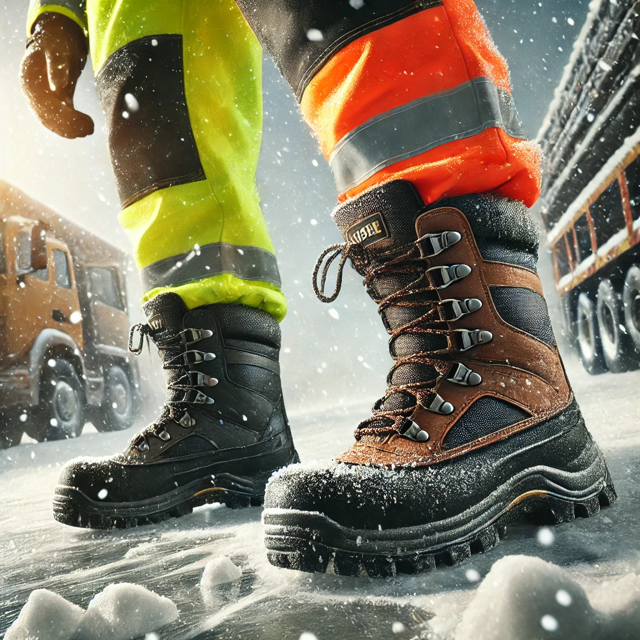
Why Composite-Toe Safety Boots Are the Best Choice for European Warehouses in 2025
Lightweight Comfort for Long Shifts
In modern warehouse environments, comfort is as critical as safety, especially during long shifts on hard concrete floors. Composite-toe safety boots offer a significant weight advantage over traditional steel-toe options, reducing foot fatigue and joint strain. This makes them ideal for warehouse operatives who walk or stand for extended periods. Lightweight materials such as fiberglass or carbon fiber maintain high-impact resistance without the bulk. The VM Footwear Rhodos S3 ESD Metal-Free Boots are a popular choice for warehouse workers who prioritize agility and comfort. These boots also meet the EN ISO 20345 S3 standards, ensuring compliance with European safety regulations. Padded collars, breathable linings, and ergonomic soles support all-day wear. Additionally, composite materials do not conduct cold, providing extra comfort during winter months. Many warehouse roles involve constant motion, and lighter footwear improves productivity and reduces injury risks. When paired with the right insulated workwear, these boots enhance overall performance. Choosing the right model can lead to a measurable improvement in worker well-being and efficiency.
Discover more articles on our blog:
Snickers Workwear Trousers – EU-Standard Comfort, Safety, and Performance
Why Layering Matters: Building the Perfect Autumn Workwear System for 2025
How Safe Are Composite-Toe Winter Work Boots? A 2025 EU Guide to Cold-Weather Protection
Why Invest in Flame-Resistant Winter Workwear for Outdoor Jobs in 2025?
How to Choose Effective High-Visibility Clothing for Winter Outdoor Work
Protective Helmets for 2025: Choosing the Right Head Protection for Safety and Comfort on the Job
Metal-Free for Scanner-Friendly Environments
Warehouses using advanced logistics systems often incorporate scanners, metal detectors, and sensitive equipment that can be disrupted by steel-toe footwear. Composite-toe boots solve this issue by eliminating metal components entirely. Models such as the Neo Tools Women’s S3 Composite Bootsallow smooth operation in security-sensitive areas. This feature is especially useful in high-tech distribution centers, electronics warehouses, or pharmaceutical storage facilities. Metal-free footwear helps prevent unnecessary alarms during internal checks or at security gates. It also supports compliance with corporate policies on electromagnetic safety. In logistics hubs where speed matters, avoiding slowdowns at checkpoints is critical. Metal-free safety boots contribute to operational efficiency. Moreover, their non-conductive nature enhances protection in environments with electrical hazards. This added safety feature can prevent costly accidents or downtime. The growing use of scanning systems makes composite-toe footwear not just an option, but a necessity.
Thermal Protection for Cold Storage Operations
Cold storage facilities and refrigerated warehouses demand footwear that goes beyond basic protection. Composite-toe boots with insulation offer the necessary thermal barrier to keep feet warm in freezing conditions. The CXS Canis Work Solid S3 Metal-Free Boots are an excellent example, featuring a breathable yet insulating interior. Workers exposed to cold temperatures for hours need to maintain blood circulation in their feet to avoid numbness and long-term health issues. Insulated boots maintain comfort without compromising flexibility. Paired with thermal trousers and jackets, they form an essential part of the winter PPE set. Cold floors can also be slippery, so anti-slip soles add another layer of safety. These boots often include water-resistant materials to keep moisture out. Warmth, dryness, and protection from impact are the three key features for cold environments. Investing in proper footwear reduces sick days and improves worker morale in winter. Composite insulation technology has advanced significantly, making these boots lighter and warmer than ever before.
Slip Resistance and Traction for Safety on the Move
In warehouse environments where speed and mobility are key, slip resistance is non-negotiable. Wet floors, spilled oils, or dusty concrete can all pose slipping hazards. Composite-toe safety boots often come with SRC-rated soles for superior grip. One of the best performers in this category is the ARDON GRINDER G3189 S3 Boots, which combine aggressive tread with water and oil resistance. These features are vital for high-traffic warehouses where accidents can happen in an instant. The boots’ sole materials are engineered to maximize friction without sacrificing comfort. Anti-slip technology reduces the risk of falls, which are a leading cause of workplace injuries. Composite boots maintain a lighter feel, improving reaction time and movement control. Workers handling heavy loads or operating forklifts also benefit from stable footing. Regular traction testing ensures these boots maintain performance over time. Safety starts from the ground up, and proper soles make all the difference.
Shock Absorption and Ergonomic Fit
Warehouse work involves repetitive walking, lifting, and bending—activities that put stress on the feet, knees, and spine. That’s why shock-absorbing soles and ergonomic footbeds are essential in safety footwear. Composite-toe boots are designed with flexibility in mind, adapting to the natural movement of the foot. Brands like U-Power have engineered models such as the U-Power UK ESD S3 Boots, which offer enhanced heel cushioning and arch support. These features reduce musculoskeletal strain during long shifts. Shock absorption is particularly important when walking on hard warehouse floors all day. An ergonomic fit also reduces the likelihood of blisters, foot pain, or plantar fasciitis. Workers can stay focused on tasks without constant discomfort. Better posture and weight distribution translate into long-term health benefits. Employers who invest in proper footwear reduce injury claims and increase worker retention. Ergonomics is no longer optional—it’s a fundamental component of workplace PPE.
Breathability and Moisture Control
Warehouses can get warm even in winter, especially with heating systems and physical activity. Composite-toe boots with breathable membranes help regulate temperature and wick away sweat. Moisture buildup inside boots can lead to discomfort, blisters, and even bacterial infections. That’s why many high-end models now feature moisture-wicking liners and ventilated designs. The Portwest FW35 Composite Boots are a good example, offering composite safety with added breathability. These boots maintain a dry interior while still providing protection against water, cold, and impact. Temperature regulation is key to long-term comfort and hygiene. Workers who sweat heavily benefit from odor control and reduced foot fatigue. Breathable boots also dry faster between shifts, making them ideal for daily use. Moisture control is often overlooked, but it significantly affects comfort and productivity.
Electrical Hazard Protection in Industrial Settings
In certain warehouse roles, employees work near live wires, machinery, or battery systems where electrical hazards are a concern. Composite-toe safety boots are non-conductive and provide superior protection compared to metal-toe alternatives. Models like the Delta Plus Composite-Toe Boots are certified for resistance to electric shock. This makes them essential in facilities that handle electronics, robotics, or automated systems. Electrical insulation prevents current transfer in the event of accidental contact. Workers stay protected without compromising mobility or comfort. Composite materials do not trigger metal detectors, making them ideal for secure warehouse zones. As automation increases, so does the need for electrically safe footwear. This feature enhances overall workplace safety standards. Investing in EH-rated boots is a proactive step in injury prevention.
Wide Fit and Gender-Inclusive Sizing
In warehouses with diverse teams, footwear must accommodate different foot shapes and sizes. Composite-toe safety boots are available in a wide range of fits, including women-specific and extra-wide models. The Procera Women’s S3 Winter Composite Boots are tailored for smaller feet without sacrificing protection. Inclusive sizing reduces the risk of strain or improper support. Ill-fitting boots can lead to missteps, fatigue, or long-term foot issues. Gender-specific designs also improve comfort and confidence. Employers who provide properly fitted PPE demonstrate inclusivity and attention to worker needs. Adjustable laces and flexible materials further enhance the fit. Sizing variety supports teams of all backgrounds, making PPE more accessible. Inclusive gear strengthens team satisfaction and retention.
Cost-Efficiency and Long-Term Value
While composite-toe boots may come with a slightly higher upfront cost, their long-term value is hard to ignore. Their durability, comfort, and energy-return soles reduce replacement frequency. The Urgent Composite S3 Winter Boots are a good example of cost-effective quality. Durable stitching and reinforced outsoles extend boot life even under intensive use. Fewer replacements mean lower overall PPE expenses. Comfortable workers take fewer sick days and show higher morale. Reduced downtime due to footwear-related issues contributes to operational efficiency. Buying the right boots once is better than cheap replacements every quarter. Many models also include warranties or certification support. The investment pays off in safety, productivity, and long-term budget control.
Conclusion: Why Composite-Toe Safety Boots Are the Best Choice for European Warehouses in 2025
Composite-toe safety boots are redefining workplace footwear standards across European warehouses in 2025. With advantages in comfort, safety, and technology compatibility, they provide a modern solution to modern challenges. Models from VM Footwear, Ardon, CXS Canis, and Urgent prove that lightweight doesn’t mean less protection. Whether it’s breathability, insulation, electrical hazard resistance, or slip-proof design, composite options meet and exceed expectations. Their metal-free construction aligns with scanner protocols and advanced facility operations. By selecting certified, well-fitting boots, employers can enhance safety while supporting long-term employee wellness. Warehouses that invest in innovative PPE create healthier, more productive teams. Check out the full range of composite-toe safety boots at Optimum BHP and explore the blog for tips on outfitting your workforce. Stay efficient, stay protected, and step into 2025 with smarter workwear solutions.