Protective Helmets for 2025: Choosing the Right Head Protection for Safety and Comfort on the Job
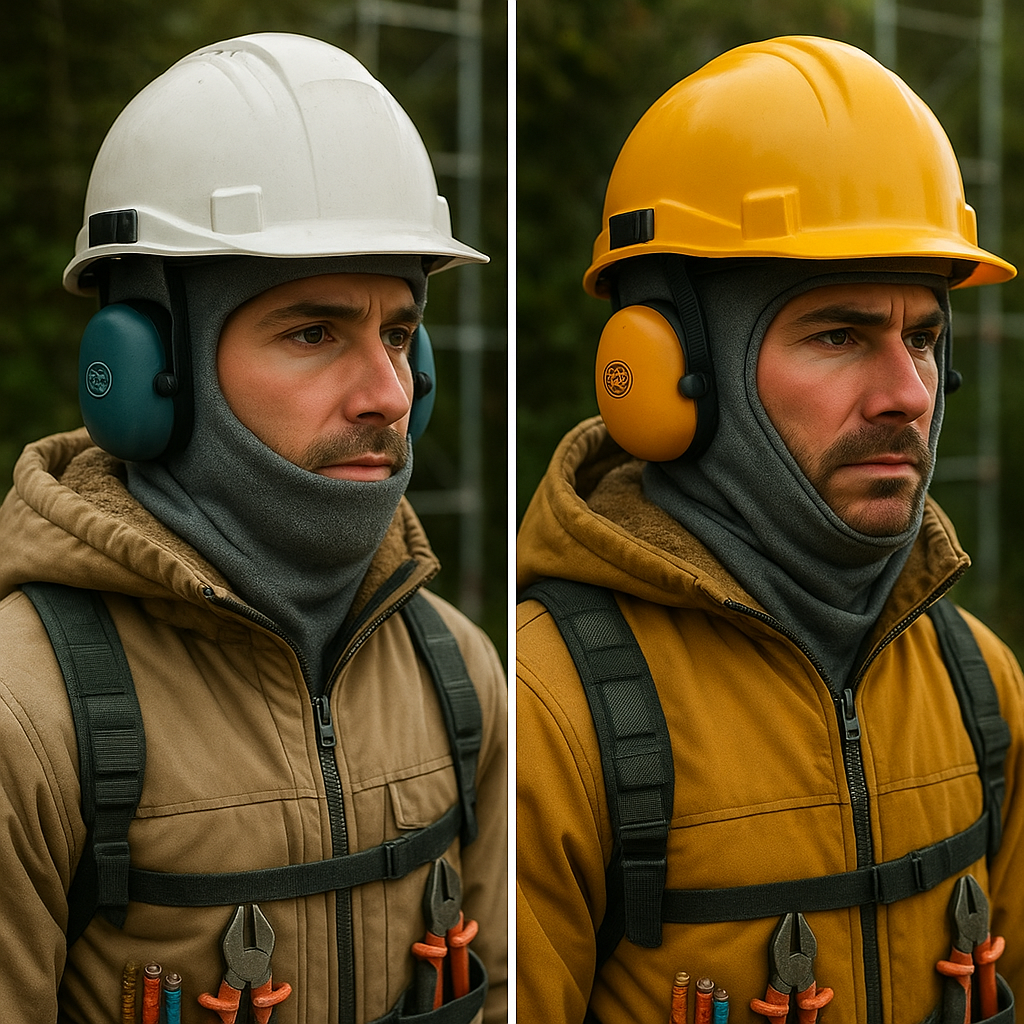
When it comes to workplace safety, protective helmets are a cornerstone of personal protective equipment, shielding workers from life-threatening head injuries caused by falling objects, collisions, and other unpredictable hazards. At Optimum BHP, you can find a wide selection of models designed for various industries, including construction, logistics, industrial maintenance, and forestry, each engineered to meet or exceed European safety standards. Selecting the right helmet is not just about protection—it’s about ensuring comfort, visibility, and adaptability to specific work environments. Modern helmets use lightweight yet highly impact-resistant materials such as ABS or HDPE, combined with ergonomic suspension systems to reduce fatigue during long shifts. Many models also incorporate slots for attaching ear defenders, visors, and headlamps, ensuring they can adapt to changing job requirements. Ventilation features, adjustable chin straps, and colour-coded shells further enhance safety management and comfort. For more guidance on choosing the right PPE, our blog and FAQ provide detailed insights into standards, maintenance, and product comparisons. Investing in a quality helmet is an investment in productivity, worker confidence, and long-term health. Whether you’re replacing outdated gear or equipping a new team, the right helmet will make a measurable difference in workplace safety.
Unlock more knowledge on our blog:
Water-Resistant Softshell Work Jackets for Wet Autumn Days: Stay Dry Without Bulk in 2025
How Safe Are Composite-Toe Winter Work Boots? A 2025 EU Guide to Cold-Weather Protection
Why Invest in Flame-Resistant Winter Workwear for Outdoor Jobs in 2025?
How to Choose Effective High-Visibility Clothing for Winter Outdoor Work
Snickers Workwear Trousers – EU-Standard Comfort, Safety, and Performance
Why Layering Matters: Building the Perfect Autumn Workwear System for 2025
_________
Protective Helmets for Height Work
Jobs involving work at heights require protective helmets that stay securely in place even during sudden movements, offering not only top-impact protection but also side-impact resistance for enhanced safety. The Portwest Endurance PS53 is a prime example, featuring a four-point chin strap to ensure stability and compliance with EN 12492 standards, making it ideal for roofing, scaffolding, and tower maintenance. Another excellent choice is the Portwest PS73 Endurance, which offers colour variations to aid in team role identification and has a vented shell to improve airflow. Helmets for height work often have reduced brim designs to provide a better upward view, an essential feature when climbing or working near overhead structures. Many of these models are compatible with visors and earmuffs, allowing for integrated protection without sacrificing comfort. High-quality materials ensure they remain durable in harsh weather conditions, from freezing winds to intense sunlight. The interior harness systems are adjustable, enabling a secure fit for different head shapes and sizes, which reduces slippage during movement. Proper selection of height work helmets can dramatically reduce the risk of accidents and ensure compliance with strict industry regulations. Whether for short-term maintenance or ongoing construction projects, height safety helmets from Optimum BHP deliver reliability and peac/e of mind.
Industrial Protective Helmets for Heavy-Duty Work
In heavy industrial environments, protective helmets face daily challenges from falling debris, moving equipment, and potential head impacts, requiring robust construction and dependable design. The Reis KASPE delivers exceptional durability with its ABS shell and secure suspension system, making it suitable for manufacturing plants, shipyards, and demolition sites. For those needing visibility on site, the Procera Morion Yellow offers both protection and high visibility, while the Polstar YS-7 provides multiple colour options for role identification. Industrial helmets often include accessory slots for attaching welding shields, mesh visors, or earmuffs, making them adaptable to multiple job roles. Comfort is enhanced through padded harnesses and adjustable fit systems, reducing the strain of wearing head protection for long hours. Compliance with EN 397 standards ensures that these helmets offer the required resistance to impacts and penetration. Many models also provide resistance to molten metal splashes and lateral deformation, adding extra protection in high-risk areas. Choosing the right industrial helmet means balancing durability with comfort, ensuring workers remain protected without compromising their ability to perform tasks efficiently. For long-term safety in challenging work environments, these helmets offer both reliability and proven performance.
Vented Protective Helmets for Enhanced Comfort
When working in high-temperature environments, protective helmets with effective ventilation systems can dramatically improve comfort and focus. The Portwest PS63 Endurance Vented is a prime choice, with strategically placed vent openings to allow air circulation without compromising impact resistance. Similarly, the Delta Plus Diamond VI Wind combines modern styling with high safety performance, making it ideal for outdoor summer work. Ventilation helps reduce heat buildup inside the helmet, which is essential for maintaining concentration and avoiding fatigue. Vented models are often lighter, reducing neck strain and making them more comfortable for long shifts. Many of these helmets come with quick-adjust systems, allowing workers to easily customise the fit on the go. Despite the airflow benefits, the materials remain strong enough to meet EN standards for industrial safety. These helmets can also be paired with visors and hearing protection, creating a complete head protection system. For jobs in construction, landscaping, or utilities, where heat is a factor, choosing a vented helmet can significantly improve productivity and worker satisfaction. Optimum BHP’s range ensures that every worker can find a model that combines safety, comfort, and durability.
⸻
Protective Helmets with Integrated Visors
Some workplaces require both head and face protection, and protective helmets with integrated visors provide a practical, all-in-one solution that meets these needs. The Portwest PW55 combines a high-strength ABS shell with a retractable visor, ensuring workers are shielded from both falling objects and airborne particles. Similarly, the Portwest PW54 offers enhanced comfort through a padded harness system, making it ideal for forestry, manufacturing, and electrical maintenance jobs. Integrated visors help maintain a proper seal against dust and debris while eliminating the need for separate face shields, which can be cumbersome. These helmets are compatible with other accessories, such as earmuffs, ensuring comprehensive head and sensory protection. Many visor-equipped models meet both EN 397 and EN 166 standards, covering impact resistance and optical clarity requirements. Their design also prevents the visor from fogging excessively, improving visibility in humid or variable weather conditions. Workers in industries with frequent exposure to sparks, wood chips, or metal fragments benefit greatly from this type of helmet. By investing in helmets with integrated visors, employers can simplify PPE management while maintaining a high standard of safety. At Optimum BHP, these solutions are available in a variety of colours and configurations to suit specific site protocols.
Lightweight and Ergonomic Protective Helmets
In physically demanding jobs, the weight of PPE can contribute to worker fatigue, which is why protective helmets designed for lightness and ergonomic comfort are a valuable choice. The Uvex Pheos B-WR combines a robust shell with a low overall weight, reducing strain on the neck and shoulders during long shifts. The JSP EVO2 offers an advanced harness adjustment system for a secure fit without pressure points, enhancing comfort for workers in construction, utilities, and manufacturing. Lightweight helmets still meet or exceed EN 397 impact standards, ensuring they do not compromise on safety. The reduced mass allows for better mobility, which can be critical when working in confined spaces or performing repetitive movements. Many ergonomic helmets feature integrated sweatbands to improve hygiene and moisture control, particularly useful in warm climates. A good fit reduces the risk of the helmet shifting during work, which maintains its protective position at all times. Lightweight designs also tend to be more compatible with additional PPE, such as respirators or safety goggles, without causing discomfort. Choosing an ergonomic helmet can improve worker satisfaction, reduce accident risk, and contribute to long-term musculoskeletal health. Optimum BHP offers multiple lightweight helmet options that balance comfort with uncompromising protection.
Premium Protective Helmets for Specialised Applications
Some job roles require protective helmets with specialised features to handle unique hazards or extreme conditions. The 3M Peltor G3000 Solaris is designed with UV stability and ventilation channels that maintain comfort in bright, hot environments. The Industrial Starter Akrobat Falkner offers outstanding durability and stability for heavy construction and industrial projects. Specialised helmets may include electrical insulation properties for work near live circuits or high-visibility shells for low-light environments. Some models incorporate impact-absorbing foam layers for additional side protection, exceeding the standard EN 397 requirements. These helmets are often chosen for specific industries such as oil and gas, mining, or offshore operations where the risks are higher. Certain designs also feature accessory slots for communication systems, improving coordination in large or noisy job sites. Premium helmets may be more costly initially, but their extended lifespan and enhanced safety features make them a worthwhile investment. Choosing the correct model involves assessing workplace hazards, environmental conditions, and regulatory requirements. At Optimum BHP, premium helmets are selected for their ability to meet these specialised demands while maintaining wearer comfort.
Colour-Coded Protective Helmets for Safety Management
Many companies implement a colour-coding system for protective helmets to quickly identify roles and responsibilities on site, improving communication and safety. The Procera Morion Red is often used for supervisors or safety officers, while the Procera Morion Orange is popular for new workers or visitors. Colour coding can also indicate specific skills or permissions, such as trained first aiders or operators certified for particular machinery. This visual system enables quick decision-making in emergencies, ensuring the right personnel are located without delay. Colour-coded helmets are especially valuable on large construction sites, in manufacturing plants, and during public works projects where multiple contractors operate simultaneously. In addition to their safety benefits, colour coding can help maintain compliance with site-specific PPE protocols. High-visibility colours can enhance worker visibility in low-light conditions or bad weather. Many colour-coded models also come with reflective decals or can be fitted with them to further improve visibility. Optimum BHP’s range of coloured helmets combines practical safety with the flexibility to match your team’s operational needs.
Conclusion: Protective Helmets for 2025: Choosing the Right Head Protection for Safety and Comfort on the Job
Choosing the right protective helmet is one of the most important safety decisions for any workplace, directly impacting worker protection, comfort, and productivity. Models like the Portwest PS53, Uvex Pheos B-WR, and Procera Morion Yellow demonstrate how different features meet different job requirements, from height safety to industrial durability. At Optimum BHP, every helmet is selected to meet strict European safety standards while offering comfort and adaptability for long-term use. The right choice can prevent life-changing injuries, improve work efficiency, and ensure regulatory compliance. Consider factors such as weight, ventilation, accessory compatibility, and colour coding when making your selection. Our blog and FAQ are excellent resources for learning more about helmet standards, maintenance, and fitting tips. With the right helmet, workers can focus fully on their tasks, knowing they are protected from head-related hazards. Safety starts at the top—literally—with a well-chosen helmet from Optimum BHP.