
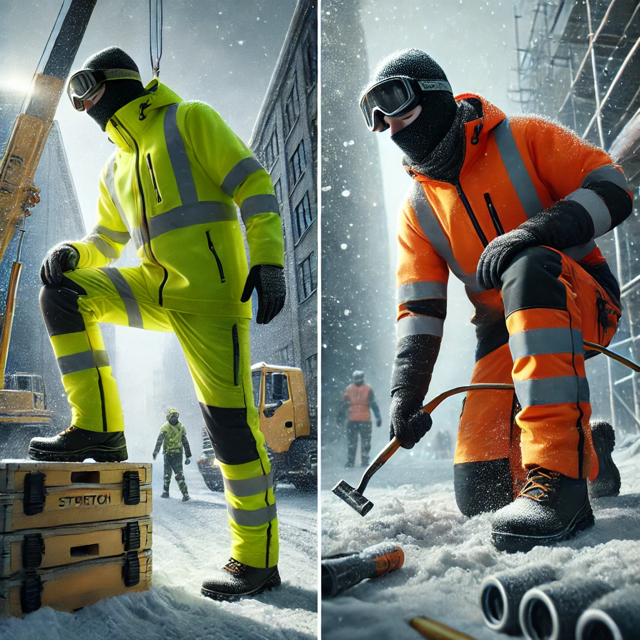
How to Layer High-Visibility Winter Workwear for Maximum Warmth and Safety in 2025
When winter temperatures drop below freezing, proper layering of high-visibility workwear becomes critical for outdoor professionals. Municipal snow crews, construction workers, and road maintenance teams not only need insulation but must remain visible in fog, snow, and early darkness. At Optimum BHP, you’ll find a complete range of certified winter workwear, including hi-vis jackets, trousers, and accessories. Don’t miss our detailed FAQ on visibility requirements and blog articles that explore layering strategies for safety and comfort. Whether you’re shopping for thermal hi-vis parkas, breathable underlayers, or waterproof shell jackets, our curated selection ensures legal compliance and optimal comfort for the entire winter season.
Discover more articles on our blog:
Hi-Vis Winter Workwear by Portwest: Stay Visible and Warm on the Job in 2025
Certified Insulated Workwear for Winter 2025: How to Stay Safe, Warm, and Compliant on the Job
How to Choose the Best High-Visibility Waterproof Jackets for Emergency and Utility Workers in 2025
Why Invest in Anti-Static and Flame-Resistant Workwear? Safety Meets Compliance
How to Dress Warm on a Budget: Affordable Winter Workwear for Outdoor Jobs
Why Autumn Is the Most Overlooked Season for Workwear Upgrades: Key Pieces to Replace Before Winter 2025
⸻
Start with a Moisture-Wicking Base Layer for Hi-Vis Winter Safety
The foundation of any effective winter layering system is the base layer. Choose thermal underwear that wicks moisture away from the skin, keeping your body dry and regulating heat. For professionals in high-risk zones, it’s also possible to find flame-resistant base layers for added protection. Base layers should be snug yet flexible, allowing freedom of movement without adding bulk. While these layers are not high-visibility themselves, they set the tone for safety and warmth. Consider combining them with trousers and bibs from Portwest or Snickers Workwear that allow room for insulation underneath. A well-regulated base ensures your outer garments can function optimally. This layer is essential to minimize sweat buildup, which is the main cause of getting cold fast in freezing conditions.
⸻
Add Insulated Hi-Vis Mid-Layers for Active Warmth
The second layer is where most of your insulation comes from. Insulated hi-vis sweatshirts, fleeces, or hi-vis hoodies are ideal. For maximum warmth, consider models like the Hi-Vis Polar Jacket FR31 from Portwest, which offers both insulation and fire resistance. You can also explore mid-layers like the Snickers 2869 ProtecWork Sweatshirt, engineered for visibility, safety, and cold resistance. Layering fleece under a bomber or shell jacket can increase your range of motion and comfort. Avoid overly bulky layers that limit mobility, especially for snow plow operators and construction workers. The key is warmth without restriction. Combining materials such as polyester fleece and cotton blends ensures both warmth and breathability.
⸻
Choose a Certified Hi-Vis Outer Layer for Harsh Winter Conditions
Your outermost layer must provide waterproofing, wind resistance, insulation, and reflectivity. It’s also where the most legal requirements apply, particularly EN ISO 20471 standards for visibility. Consider investing in jackets like the Portwest S466, Snickers 1830 AllroundWork Parka, or CXS Canis Luton 2-in-1. Each of these offers thermal lining, high-visibility tapes, and water resistance. A quality shell should also feature sealed seams, adjustable cuffs, and ventilation zippers for temperature regulation. For road crews or municipal workers, models with detachable liners like Portwest S766 provide versatility across temperature swings. Choose models with multiple pockets for tools and ID holders for compliance.
⸻
Don’t Forget High-Visibility Accessories for Full Coverage
Gloves, hats, and reflective vests are often overlooked but play a crucial role in full-body visibility. Start with hi-vis gloves that are both thermal and waterproof. Brands like Portwest and Snickers offer insulated gloves with reinforced palms for grip and EN-certified reflectivity. For headwear, consider hi-vis beanies or balaclavas compatible with helmets. Safety vests like the Portwest C470 can also be layered over insulated jackets for enhanced visibility in snow. Accessories also help improve wearer comfort—eliminating the need to remove outerwear frequently. Look for reflective patches and bright neon colors even on small items. Investing in certified accessories ensures you remain compliant with safety regulations in harsh weather.
⸻
Customize and Maintain Your Hi-Vis Winter Gear for Long-Term Performance
Maintenance and customization play key roles in the durability and visibility of winter workwear. Use embroidered patches or printed logos to clearly identify team members, especially for municipal or subcontracted workers. Regularly clean hi-vis garments using detergent made for reflective gear to maintain visibility standards. Avoid fabric softeners, which can reduce reflectivity and waterproofing. Proper storage between shifts—hanging jackets instead of folding—prevents degradation of reflective materials. Also consider replacing outer layers every few seasons if exposed to salt, chemicals, or abrasion. Brands like Snickers and Portwest offer multi-year warranties on select models. With proper care, even budget-friendly options like Urgent HSV can perform reliably across many seasons.
⸻
Layering High-Visibility Winter Workwear = Smart Safety
Staying safe in winter isn’t just about visibility—it’s about warmth, compliance, comfort, and smart choices. From base layers to insulated hi-vis jackets and accessories, each layer contributes to a full safety system. Whether you work in municipal road clearing, rail maintenance, or construction, your gear should be as high-performing as your crew. Explore top brands like Portwest, Snickers Workwear, Sara Workwear, CXS Canis, or Art.Mas at OptimumBHP.pl. For further insights, visit our blog or check our expert FAQ section to make the most informed decision possible.
⸻
Advanced Technologies in Hi-Vis Winter Workwear: What’s New in 2025?
In 2025, advanced materials are reshaping how hi-vis winter workwear performs in cold climates. Portwest’s DX4 4-in-1 Jacket DX466 integrates ergonomic design, breathable insulation, and waterproof membranes into a single solution. Snickers Workwear’s AllroundWork 1830 Parka features Cordura reinforcements and climate-control linings that adapt to changing activity levels. These technologies reduce the bulk traditionally associated with winter gear while improving durability. Moreover, high-visibility garments are now tested for resistance to cold-induced stiffness, improving long-shift comfort. Thermal linings use hollow-core fibers or reflective coatings to trap body heat without restricting movement. Workers benefit from cutting-edge protection without sacrificing mobility or legal compliance.
⸻
The Role of Multi-Norm Compliance in Winter Layering Systems
In high-risk environments, layering must go beyond warmth and visibility—it must also meet multi-norm compliance. Portwest’s FR79 Bizflame Rain Jacket offers flame resistance, anti-static properties, and waterproofing, all in a high-visibility design. Snickers 1163 ProtecWork Jacket achieves similar certification levels while adding insulation for sub-zero performance. These garments are ideal for utilities, energy sector workers, or road crews near live electrical systems. When building a compliant winter uniform, combine such outer layers with flame-resistant base layers and hi-vis trousers. Multi-norm options minimize the need for swapping gear between jobs or locations. Safety managers benefit from simplified procurement and guaranteed conformity across tasks.
⸻
Choosing Bibs vs. Work Trousers for Winter Layering
One of the key decisions when layering hi-vis workwear is selecting between bib-style overalls and standard trousers. Bibs such as the Snickers 6663 ProtecWork Insulated Trousers offer superior back and core coverage in cold environments. They’re particularly useful for snow removal teams, waste management staff, and rail workers. On the other hand, trousers like Portwest FR414 or Snickers 6331 AllroundWork are easier to layer over thermals and offer more flexibility. Bibs are preferred for extended snow exposure or kneeling work, while trousers are lighter and easier to swap during shift changes. Both styles should feature EN ISO 20471 compliance, reflective strips, and water resistance. Ultimately, the choice comes down to task duration, exposure level, and personal comfort preferences.
⸻
Hi-Vis Jackets with Detachable Linings: Smart Solutions for Variable Weather
Many crews face unpredictable weather—from dry mornings to blizzards by noon. Jackets with removable liners, such as Portwest S766 5-in-1 Essential, provide ultimate adaptability. These garments allow workers to adjust insulation without changing the outer layer or sacrificing compliance. Snickers 1633 Jacket offers similar modular flexibility with detachable inner jackets or hoods. For urban road crews and logistics teams, these designs eliminate the need to carry spare gear. High-performance zippers, storm flaps, and adjustable cuffs further improve the sealing of thermal zones. Teams working across changing elevations or multiple sites particularly benefit from these multipurpose systems.
⸻
Thermal Comfort and Ergonomics for Long Winter Shifts
In freezing conditions, comfort is about more than just warmth—it’s also about how well the garment adapts to your movements. Jackets like the Snickers 1130 use 37.5® technology to optimize microclimate around the body. Meanwhile, Portwest integrates ergonomic panels and stretch zones into its PW364 PW3 Jacket, designed for movement without compromising reflectivity. Insulated jackets with raglan sleeves, articulated elbows, and adjustable waistbands improve range of motion. This is essential for teams using shovels, machinery, or tools in confined or repetitive-motion spaces. Ergonomic garments reduce fatigue and lower the risk of strain-related injuries. For best performance, combine these with stretch-fit trousers and breathable underlayers.
⸻
Summary: Layering Hi-Vis Winter Gear for Ultimate Warmth and Protection in 2025
Effective layering of hi-vis winter workwear is more than just combining jackets and trousers—it’s a strategic approach to protection, comfort, and compliance. Start with moisture-wicking base layers, add thermal insulation with fleeces or sweatshirts, and top it off with weatherproof hi-vis outerwear. Accessories like gloves, hats, and multi-functional trousers complete the system. Explore professional options from Portwest, Snickers Workwear, CXS Canis, and Sara Workwear to build your ideal setup. Whether you’re working on snowplows, railways, or power grids—intelligent layering keeps you safer, warmer, and more efficient. Visit the Optimum BHP blog and FAQ section for expert recommendations tailored to winter challenges.