
Is One Pair of Winter Gloves Enough? Comparing Lined, Coated, and Reinforced Work Gloves in 2025
Why Winter Work Gloves Need to Be Chosen Wisely
When working in cold environments, choosing the right work gloves becomes essential for both safety and productivity. Many professionals wonder whether one pair of insulated work gloves is sufficient for all tasks throughout the day. The truth is, different environments, exposure to moisture, and the type of labor performed often require multiple glove types or additional layers. Whether you’re using coated gloves, leather-reinforced gloves, or thermal-lined gloves, the key is matching the glove to the task. Professionals working outdoors, especially in construction, logistics, or utility services, face rapidly changing conditions. That’s why understanding the role of glove types is just as crucial as dressing in proper insulated workwear or high-visibility clothing. For more guidance, explore our FAQ on safety gloves and the Optimum BHP blog.
Take a look at more of our content:
Winter Workwear for Outdoor Contractors – Safety Store Solutions for Harsh Weather Projects
Top 10 Premium Winter Safety Boots to Keep You Warm and Safe
Why Premium Insulated Safety Boots Are Worth the Investment – A 2025 Buyer’s Guide
Why Autumn Is the Most Overlooked Season for Workwear Upgrades: Key Pieces to Replace Before Winter 2025
How to Dress for Cold Weather on a Budget – Best Cheap Winter PPE for Workers
How to Find the Best Safety Store for Winter Workwear – Online vs. Local Suppliers Compared
The Role of Coated Gloves in Wet and Oily Conditions
Coated winter gloves are ideal for jobs that involve contact with moisture, oils, or chemicals. A nitrile or latex coating offers excellent grip and water resistance, making them suitable for warehouse operations, maintenance work, and light construction tasks. Many workers assume these gloves are enough, but extended exposure to freezing conditions can reduce flexibility and thermal insulation over time. Therefore, it’s essential to consider gloves with inner fleece linings or additional insulation for long shifts. When selecting gloves, make sure to match the coating type to your environment—nitrile for oils, latex for water, and polyurethane for fine mechanical work. Models from brands like Portwest and Urgent offer great balance between protection and dexterity. Keep a second pair handy in case of saturation or temperature drops.
Leather-Reinforced Gloves: Durability Meets Thermal Protection
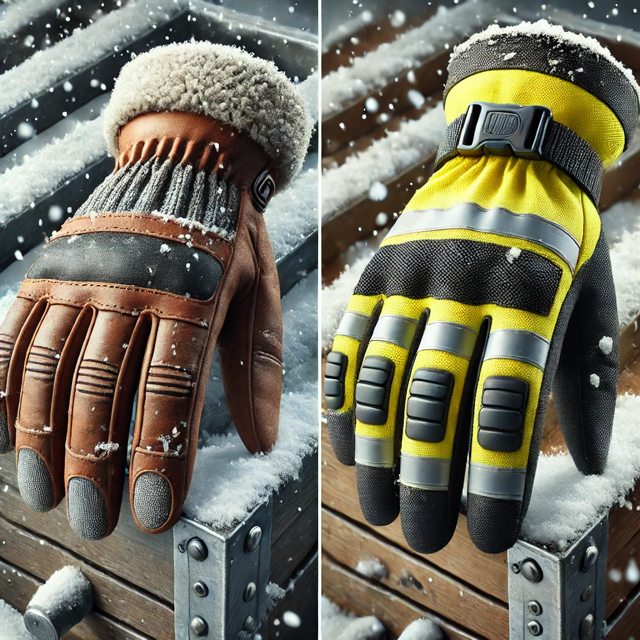
Leather-reinforced work gloves are favored in heavy-duty outdoor jobs due to their durability and abrasion resistance. However, not all leather gloves offer adequate insulation for winter. That’s why many models now include thermal linings, offering both warmth and toughness. For example, insulated leather gloves from Reis are ideal for construction or road work in cold and dry environments. Their long cuffs and fleece interiors provide extra warmth, while the leather palm ensures grip and protection. However, these gloves may not perform as well in wet conditions unless specifically waterproofed. It’s a good practice to alternate them with coated options when weather conditions change throughout the day. Proper layering with thermal base layers and high-visibility vests is also recommended.
When One Pair Isn’t Enough: Rotating Gloves Throughout the Day
While one high-quality pair of thermal gloves may seem like enough, daily tasks often require different levels of dexterity and protection. For instance, outdoor electricians may need waterproof gloves for one task and dexterous anti-slip gloves for another. Having multiple glove types on hand improves productivity and minimizes injury risks. This rotation strategy is especially useful when gloves get damp or frozen—two conditions that drastically reduce insulation and grip. Brands like Neo Tools and Granberg offer glove sets that combine different materials and functions. Keeping a spare pair in your bag or truck is a simple habit that can enhance both safety and comfort in 2025.
Choosing the Right Insulation: Fleece, Thinsulate, or Multi-Layered?
Not all insulation is created equal. Workers often overlook the importance of understanding glove insulation types when browsing safety gear. Fleece-lined gloves are breathable and flexible but may lack wind resistance. Thinsulate offers better thermal retention without bulk, making it a great choice for precision tasks. Some advanced gloves from Portwest or Uvex feature multilayer construction—thermal inner, waterproof membrane, and outer shell. Such gloves are ideal for snow removal, roadside assistance, and rail maintenance. Understanding your work environment helps determine whether one glove type suffices or a mixed approach is better. Check the FAQ on gloves to learn which standards apply to your role.
High-Visibility Thermal Gloves for Outdoor Professionals
In high-traffic zones or poorly lit areas, combining thermal protection with visibility is crucial. Many high-visibility gloves now feature reflective elements or fluorescent fabrics. These gloves are especially important for road workers, airport ground staff, and utility repair teams. Insulated models like those from Urgent or CXS Canis provide visibility while retaining heat. If your job involves both cold and dangerous surroundings, investing in dual-certified gloves ensures compliance with safety regulations. Pair them with matching hi-vis jackets and trousers for optimal protection and coordination.
Combining Thermal Gloves with Cut Resistance for Industrial Use
In sectors like glass manufacturing, metalwork, and recycling, winter gloves must offer both insulation and cut resistance. Choosing cut-resistant gloves with thermal lining ensures that workers stay safe from both cold and lacerations. Leading models often feature Kevlar or HPPE layers with brushed fleece interiors, creating an effective dual-barrier. These gloves are commonly used in environments where handling sharp or jagged objects is unavoidable. In 2025, manufacturers like Ansell and Uvex are setting new standards in protective glove design. While they may be bulkier, they are a must-have for professionals exposed to dual hazards. Always combine such gloves with insulated clothing and protective eyewear for full compliance.
⸻
Waterproof Thermal Gloves: A Must for Wet Winter Environments
In snow, rain, or sleet, dry hands are vital. Waterproof winter gloves typically use double coatings—such as nitrile over latex—or integrated membranes to prevent saturation. These gloves are especially useful in waste collection, forestry, and winter logistics. They are also preferred by those who work in refrigeration or perform outdoor maintenance in wet conditions. Brands like Granberg and Delta Plus offer high-dexterity models with waterproof linings and strong grip. One pair might not suffice for full-day use, especially if moisture seeps in—carry a spare for long shifts. Matching gloves with waterproof outerwear further boosts worker resilience in 2025.
⸻
Women’s Winter Gloves in 2025: Fit, Performance, and Safety
More women are working in technical fields and need women’s work gloves tailored to their hand shape. Unisex gloves may compromise grip or warmth if sizing is off. In response, brands like Portwest and CXS Canis are producing ergonomic winter gloves specifically for women. These models offer slimmer fingers, shorter cuffs, and lighter insulation without reducing durability. Whether coated, lined, or leather-reinforced, they meet the same safety standards as men’s gloves. Women working in transport, inspection, or logistics benefit from optimized fit and comfort. Pairing gloves with women’s workwear ensures optimal performance on-site.
⸻
Anti-Vibration Thermal Gloves: Dual Protection for Machinery Operators
Operating jackhammers, drills, or chainsaws in winter requires gloves that protect against both cold and vibration. Anti-vibration gloves with thermal lining reduce the risk of hand-arm vibration syndrome (HAVS) while maintaining warmth. These gloves are popular in roadwork, forestry, and construction sectors where power tools are used in freezing conditions. Some gloves combine padded palms with fleece lining or insulated shells. Leading options from Neo Tools or Urgent are built for endurance. In 2025, dual-function gloves are a growing trend in safety gear. Always inspect gloves for wear and tear after heavy use.
⸻
Balancing Tactile Sensitivity and Insulation in Precision Work
Precision jobs like electrical repairs or cold-room inspections demand dexterity—even in freezing temperatures. Standard bulky gloves won’t work in such conditions. Lightweight polyurethane-coated gloves with thin insulation are ideal for these tasks. They allow finger mobility while still offering basic cold resistance. Some newer models even use graphene-based insulation for better warmth-to-weight ratios. Workers in food logistics, electronics, or energy sectors appreciate this balance in 2025. These gloves should be part of a glove rotation system for dynamic environments. Pair them with layered workwear for optimized thermal control.
⸻
The Importance of Standards: EN 511 and Glove Labelling in 2025
Choosing the right gloves means understanding certifications. EN 511 is the European standard for cold protection in gloves and includes resistance to convective cold, contact cold, and water penetration. The standard helps professionals choose gloves tailored to their needs—especially in regulated industries. Labels typically show three numbers (e.g., 2.3.1), and higher values mean better performance. In 2025, more gloves carry dual or triple certification (e.g., EN 388 for mechanical hazards and EN 511 for cold). Brands sold at Optimum BHP clearly mark these standards to guide purchase decisions. Always consult the safety gloves FAQ when in doubt.
Summary: Is One Pair of Winter Gloves Enough? Comparing Lined, Coated, and Reinforced Work Gloves in 2025
Relying on a single pair of gloves in winter can lead to discomfort, reduced performance, and even injury. The best approach in 2025 is to create a system of work gloves, tailored to your environment and tasks. Use coated gloves for wet jobs, leather gloves for heavy-duty tasks, and insulated gloves for thermal protection. Combine them with appropriate insulated workwear, boots, and visibility layers. Visit the Optimum BHP store, read our blog, and check the full glove FAQ for guidance tailored to your job.
