
Insulated Work Boots for Winter 2025: How to Choose the Best S3 Safety Footwear for Cold EU Conditions
Why S3 Safety Footwear Is Essential in Harsh Winter Work Environments
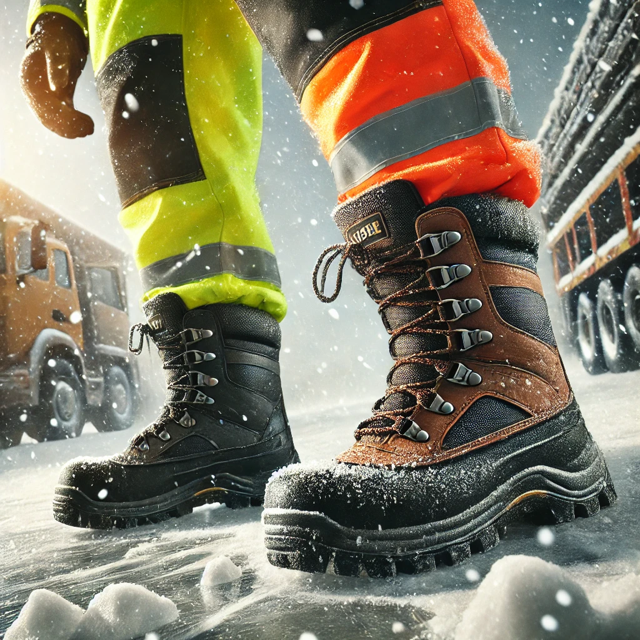
Winter in Europe brings not only freezing temperatures but also slippery surfaces, deep snow, and wet, icy work conditions. For outdoor workers in sectors such as construction, logistics, energy, and agriculture, having the right S3 safety footwear is not optional – it’s a necessity. Boots with S3 certification provide water resistance, anti-puncture midsoles, slip-resistant soles, and reinforced toe protection. For cold environments, these features must be paired with thermal insulation to prevent frostbite and maintain comfort during long shifts. The Insulated Boots TALUS GTX HIGH S3 by SOLID GEAR are a premium choice, offering GORE-TEX waterproofing and full metal-free protection. Choosing certified insulated winter work boots can reduce downtime, prevent accidents, and improve productivity in freezing climates. Workers across the EU benefit from durable, insulated footwear that meets both safety and climate requirements.
Unlock more knowledge on our blog:
Winter-Ready from Head to Toe: Premium Workwear & Safety Footwear for Professionals
Is One Pair of Winter Gloves Enough? Comparing Lined, Coated, and Reinforced Work Gloves in 2025
How to Choose Flame-Resistant Workwear for Wet Autumn Conditions: Waterproof Meets Protective in 2025
Best Softshell Work Jackets for Autumn and Spring 2025 – Breathable, Water-Resistant, and Lightweight Picks for EU Professionals
Why Premium Winter Work Jackets Are Essential for Professionals Working Outdoors in 2025
How to Choose the Right Winter Workwear for Construction Workers
⸻
Key Features to Look for in Insulated Winter Work Boots
When selecting the best boots for cold weather, insulation and waterproofing are just the beginning. Look for models with CI (cold insulation) and HRO (heat-resistant outsole) ratings, ensuring both cold-weather protection and high-temperature resistance. The JUMPER3 S3 FUR DELTA PLUS offers an ideal balance of thermal lining, fur insulation, and durable leather construction. Waterproof membranes, reinforced toe caps (steel or composite), and SRC-rated anti-slip soles further ensure safety on icy or oily surfaces. Another critical factor is breathability – to avoid sweat build-up, even in freezing temperatures. Some boots like the ARDON ROVERWIN G3390 offer composite toe caps and water-resistant materials that keep feet dry without overheating. All these elements contribute to performance, safety, and comfort in demanding winter environments.
⸻
Top-Rated Insulated Safety Boots for European Winter Work
The European market demands winter footwear that adapts to diverse conditions – from snowy mountain sites to wet coastal zones. The PORTWEST EDEN FD15 is a top pick for multi-sector use, with steel toe protection, insulation, and a cushioned footbed. Meanwhile, the PROCERA NARVIK S3offers excellent value for money and features a high-grip sole and warm lining. The EXENA TORONTO S3 is appreciated in pharmaceutical and industrial sectors for its composite toe and sleek design. Users seeking eco-conscious and lightweight options can opt for metal-free models such as the BTNRED OC MF ART.MAS. Choosing from these proven models ensures safety, comfort, and compliance with EU occupational standards. Each brand offers something unique — from aesthetics to specialty certifications.
⸻
The Importance of Fit, Weight, and Foot Health in Cold Conditions
Wearing heavy, rigid boots for 8+ hours can strain your feet, back, and knees — especially in low temperatures. That’s why modern winter safety boots prioritize ergonomic design, lightweight materials, and shock-absorbing soles. Models like VM FOOTWEAR WELLINGTON combine stability with comfort through flexible uppers and cushioned insoles. Workers performing repetitive or mobile tasks need a precise fit to prevent blisters or muscle fatigue. Breathable insulation also prevents sweat accumulation, which can freeze and lead to cold injury. Look for boots with removable liners, composite toes, and heel support for added health benefits. These details matter even more during winter when terrain, temperature, and time-on-foot all increase stress on the body.
⸻
Metal-Free vs. Steel Toe Winter Safety Boots: Which Is Better?
Many EU professionals debate between traditional steel toe caps and newer composite or metal-free alternatives. Steel provides maximum crush resistance and is ideal for heavy-duty environments, but it can get cold and heavy. Composite options, found in boots like the PORTWEST FW69 MUSTANG, are lighter and do not conduct temperature. Metal-free boots like the SOLID GEAR TALUS GTX are excellent for ESD-protected zones or airport logistics. The choice ultimately depends on your specific environment and company safety standards. For chemical plants or clean areas, metal-free is often mandatory. For construction or forestry, steel remains the benchmark.
⸻
Maintenance and Storage of Winter Safety Footwear
Proper maintenance extends the life of your insulated safety boots and ensures they remain compliant throughout the season. Always dry boots naturally after work shifts — avoid direct heat sources which can damage the insulation and seams. Use mild detergent and soft brushes for cleaning to preserve water-resistant coatings. Store boots in a well-ventilated space, preferably upright, to prevent odor and deformation. Models like PROCERA JUPITER WINTER HIGH and PORTWEST S3 ODER are made with durable uppers that respond well to proper care. Rotating between two pairs also helps prolong wear and improves hygiene. Investing in high-quality winter safety boots pays off when you treat them as essential equipment — not disposable gear.
Thermal Safety Boots with Enhanced Grip for Snow and Ice
Slippery winter surfaces are among the most dangerous hazards for outdoor workers across Europe. That’s why insulated safety boots with SRC-rated outsoles are crucial for snow removal, logistics, and road maintenance crews. The STEELITE MUSTANG FW69 Portwest features deep-tread soles that maximize grip on icy terrain. Similarly, the DELTA PLUS JUMPER3 S3 FUR provides exceptional slip resistance even in wet and muddy winter environments. Workers operating forklifts outdoors or loading trucks in snowy yards will benefit from this added traction. Anti-slip safety footwear reduces the risk of sprains, falls, and time lost to injury. Combining S3 protection with winter-ready grip is a smart investment for any EU-based outdoor workforce.
⸻
Budget-Friendly Options for Seasonal Outdoor Workers
Not all winter safety boots must come with a premium price tag to offer reliable protection. For seasonal crews and temporary winter hires, models like PROCERA NARVIK S3 and JUPITER WINTER HIGH offer full S3-level insulation and waterproofing at affordable price points. These boots feature warm linings, steel toe caps, and sturdy construction, ideal for 2–3 months of intensive winter work. Employers with large teams often prefer these models for winter contracts, road crews, or municipal projects. Despite the lower cost, they meet essential European safety standards and deliver practical performance. Procera remains one of the top brands for budget-conscious B2B buyers. Choosing the right balance between safety, warmth, and cost is key to equipping large teams during winter months.
⸻
ESD and Cold Protection: A Dual-Safety Solution
Some industrial workplaces across Europe require both cold insulation and ESD (electrostatic discharge) protection. This combination is especially important in electronics production, warehouses with automated systems, and pharmaceutical logistics. The SOLID GEAR TALUS GTX HIGH boot is a standout choice, offering S3 insulation, ESD protection, and GORE-TEX waterproofing. It’s also metal-free, making it suitable for airports and sensitive production zones. Another option is the BTNRED OC MF ART.MAS, which combines comfort with compliance in high-spec environments. For companies working with sensitive electronic equipment during winter, such dual-purpose boots are essential. Investing in safety footwear that meets multiple regulatory requirements can simplify procurement and improve workforce safety.
⸻
Why Metal-Free Boots Are Ideal for Airport and Security Zones
In highly controlled environments like airports, prisons, or nuclear facilities, metal-free footwear is often a strict requirement. These boots must also perform in winter temperatures while remaining detector-friendly and ESD-safe. The TALUS GTX HIGH SOLID GEAR offers a perfect solution with its composite toe cap and fully non-metallic build. Its cold insulation ensures comfort for workers involved in airside maintenance, perimeter patrol, or baggage handling in freezing conditions. For indoor-outdoor transitions, metal-free winter boots eliminate delays at checkpoints and improve logistics flow. These boots are also lighter, reducing fatigue during long shifts. Opting for non-metallic S3 footwear is an investment in both safety and operational efficiency.
⸻
Certified Winter Footwear for EU Regulatory Compliance
Across the European Union, compliance with EN ISO 20345 standards is required for all safety footwear – especially in publicly funded or unionized workforces. S3-rated insulated boots are often mandated for government contracts, construction tenders, and industrial zones. Boots like the PORTWEST EDEN FD15 carry full certification, including HRO and CI markings. This ensures thermal insulation, sole resistance to heat and hydrocarbons, and safety toe caps. Buyers looking to meet both national and EU directives will benefit from choosing brands like Portwest, Ardon, and VM Footwear. These manufacturers are trusted across Europe for reliability and conformity. Proper certification supports smoother inspections, worker protection, and long-term procurement value.
⸻
The Role of High Ankle Support in Winter Work Boots
In winter conditions, snow and ice increase the risk of ankle injuries and muscle strain, especially when walking across uneven surfaces. That’s why many insulated work boots offer extended shaft height and ankle padding for improved stabilization. The EXENA TORONTO BSK090 S3 provides both flexibility and protection for demanding outdoor use. Ankle support not only prevents twists and sprains but also locks in warmth, reducing heat loss through exposed areas. Boots with high shafts, like VM FOOTWEAR WELLINGTON, also help workers transition from snowy areas to indoors without tracking moisture. This design is ideal for logistics hubs, roadside work, and public infrastructure services. Ankle safety is often overlooked, but it plays a major role in winter PPE effectiveness.
⸻
Conclusion: Equip Your Team with the Right S3 Insulated Work Boots for Winter
Choosing the right insulated work boots in 2025 means evaluating not only protection levels, but also comfort, performance, and specific work environments across the EU. Whether you need steel toe durability or composite metal-free technology, the Optimum BHP store offers a wide range of certified S3 safety footwear for winter conditions. From premium waterproof models like SOLID GEAR to value-packed thermal options from Procera and Ardon, there’s a solution for every profession. Pairing the correct boot with the right insulation, sole design, and fit can significantly reduce workplace injuries during Europe’s coldest months. Visit OptimumBHP.pl to explore top-rated insulated work boots and gear up for safe, productive winters. Equip your crew now — before the snow starts falling.
