
High-Visibility Jackets vs. High-Visibility Vests for Winter Work: Which Provides Better Protection and Efficiency?
When choosing winter workwear for demanding outdoor tasks, one of the key decisions involves selecting between high-visibility jackets and high-visibility vests. Both types of high-visibility workwear are essential in low-light and high-risk environments such as construction sites, roadside work, and logistics operations. However, for winter conditions, insulated workwear adds an additional layer of protection against cold, snow, and wind. Workers must also consider whether they require flame-resistant, waterproof, or multilayer-compatible options. Optimum BHP offers a wide range of EN ISO-certified gear tailored for harsh winter climates. To help you choose the right solution, this guide compares jackets and vests in terms of insulation, visibility, mobility, and layering flexibility. Don’t forget to check our blog and Winter Workwear FAQ for additional insights.
Discover related articles you might like:
Clear Safety Glasses in 2025: Common Workplace Hazards They Protect Against
Winter Safety Shoes 2025: Affordable Protection for Seasonal Workers Across Europe
Winter Workwear 2025: Essential Protection for Construction Crews in Harsh Climates
Autumn Workwear 2025 – Introduction to Breathability and Warmth in Transitional Clothing
Clear Safety Glasses for Specific Professions: Choosing the Right Model for Your Job in 2025
Portwest Flame-Resistant Winter Clothing: Cold-Weather Safety for Welders and Industrial Workers in 2025
⸻
Thermal Protection: Jackets Lead the Way
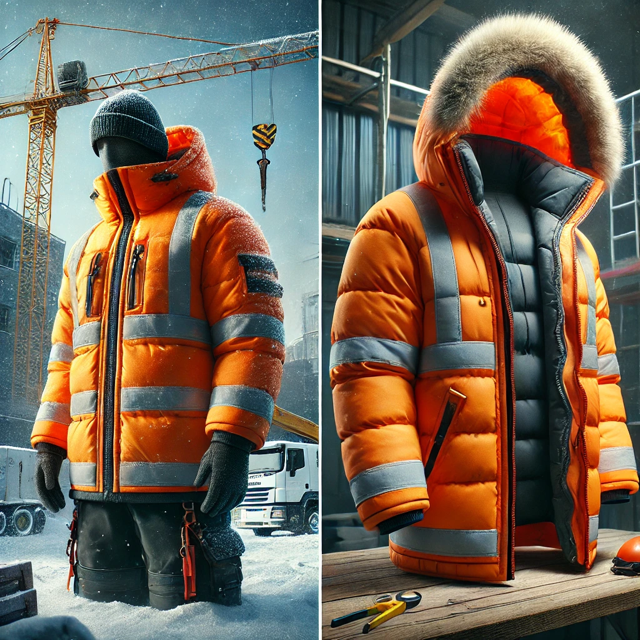
When it comes to warmth, insulated high-visibility jackets clearly offer superior protection. These garments are designed to shield the upper body from freezing temperatures while maintaining visibility. Models like the Portwest S365 3-in-1 Bomber combine waterproofing, thermal lining, and detachable layers, providing flexibility and full insulation. In contrast, vests like the Portwest S469 offer only torso-level insulation and are typically worn over lighter jackets or fleece. While suitable for quick layering, vests cannot compete with the comprehensive warmth of winter jackets. For prolonged exposure in sub-zero temperatures, a jacket becomes indispensable. Workers in road maintenance or outdoor logistics benefit most from jackets that ensure both visibility and heat retention.
⸻
Layering Flexibility: Vests Offer More Versatility
One of the greatest advantages of high-visibility vests is their compatibility with various layering systems. Vests can be worn over softshells, fleeces, or thermal base layers, giving workers more control over how they adapt to changing weather. A vest like the Sara Workwear King Winter provides high-visibility functionality without restricting arm movement. This is particularly useful for technicians, electricians, or warehouse workers who need dexterity. While jackets can also be layered, they are bulkier and often limit mobility. In situations where flexibility and range of motion matter most, insulated vests offer a smart compromise between warmth and function. Just make sure your base and mid-layers provide sufficient insulation.
⸻
Visibility and Safety Standards: Jackets Provide Greater Surface Area
Both high-visibility jackets and vests must comply with EN ISO 20471, but jackets typically offer a larger reflective surface. This is especially true for models like the Snickers 8037 Hi-Vis Fleece Jacket, which meets Class 2 or 3 requirements depending on configuration. With sleeves and full-body coverage, jackets ensure 360-degree visibility even in heavy rain or snow. Vests, while visible from a distance, may be obscured by backpacks, tools, or even the worker’s own arm positioning. This reduced reflective area could be a liability in traffic or low-light conditions. For maximum protection, jackets are better suited for high-speed environments like highways or airports. However, both vests and jackets should be chosen based on risk assessments and worksite conditions.
⸻
Budget and Uniform Flexibility
For companies managing large teams, budget and uniform compatibility are critical factors. High-visibility vests are generally more affordable and easier to integrate into existing uniforms. This makes them ideal for seasonal workers or roles with high turnover. Bulk purchases of insulated vests like the Urgent M-2028 or Polstar Benefit Marino help companies maintain safety standards without overspending. Jackets, while more expensive, often last longer and offer more integrated features such as detachable hoods, multiple pockets, or waterproof membranes. If durability and performance are priorities, jackets justify the higher cost. Optimum BHP offers options at every price level — from budget workwear to premium solutions from brands like Portwest or Sara Workwear.
⸻
Use Case: When to Choose Jackets, When to Choose Vests
Choosing between a jacket and a vest often depends on the type of work and weather exposure. Jackets are ideal for extended outdoor tasks in harsh environments — such as road repair, waste management, or heavy-duty construction. For example, the Art.Master Flash Short 2-in-1 delivers warmth, waterproofing, and high visibility in one. In contrast, vests are better suited for workers frequently moving between indoor and outdoor spaces, such as delivery drivers or utility technicians. In milder climates or transitional seasons, vests offer enough warmth without overheating the wearer. By understanding your work environment, you can make a more effective choice for safety and productivity.
⸻
Insulated Hi-Vis Jackets for Harsh Weather Conditions
In extremely cold and wet environments, insulated high-visibility jackets remain the most effective choice for full-body protection. They combine warmth, waterproof layers, and safety compliance — all in one garment. Jackets like the Portwest S427 7-in-1 Traffic Jacket offer unparalleled adaptability with detachable linings, sleeves, and hoods. These features are essential for road workers or public service employees who must operate safely across various weather conditions. The added length and extended back of such jackets also help protect the lower back, a common area exposed during movement. Unlike vests, jackets also prevent wind penetration through the arms and sides. For cold-weather specialists, an insulated jacket is a professional standard.
⸻
Hi-Vis Vests for Temperature Control and Indoor/Outdoor Mobility
High-visibility thermal vests are particularly effective for jobs that involve alternating between indoor and outdoor environments. For example, warehouse supervisors, drivers, or equipment operators benefit from vests like the CXS Seattle, which allow for temperature control without removing the entire outer layer. These vests are lightweight, flexible, and layer well over fleece or softshell jackets. In conditions where heavy insulation is unnecessary or hinders performance, a thermal vest maintains comfort while enhancing visibility. It also reduces the risk of overheating, which is common during dynamic tasks. For mild winter days or transitional seasons, vests provide just enough warmth and meet Class 2 or 3 visibility requirements. Choosing the right vest is about balancing insulation with movement.
⸻
Product Lifespan and Maintenance Considerations
An often overlooked factor is the longevity and maintenance of high-visibility workwear. Jackets, especially premium models from brands like Sara Workwear or Ardon, tend to be more durable due to reinforced seams, waterproof coatings, and abrasion-resistant materials. A jacket such as the REIS K-VIS Waterproof Bomber resists damage even under harsh use. In contrast, vests may show signs of wear sooner, particularly at the shoulders and reflective strips. However, vests are easier to clean and dry, making them more manageable for fast-paced environments. Proper care extends the life of both garment types, but investing in high-quality jackets often pays off in reduced replacement frequency and better performance.
⸻
Layering Systems That Combine Jackets and Vests
Some of the most effective winter workwear strategies involve combining high-visibility jackets and vests as part of a structured layering system. For instance, workers might pair a thermal base layer with a fleece, then top it off with a hi-vis vest for flexible warmth. Alternatively, a vest can be added over a lighter jacket when visibility becomes a priority on certain tasks. Layering also provides the ability to shed or add garments without fully changing the entire uniform. This is crucial for workers in variable weather zones or on long shifts. Brands like Neo Tools and Procera offer clothing systems that support this approach. The right combination delivers warmth, safety, and adaptability all day long.
⸻
Certification and Compliance: What to Look For
No matter the type of garment, ensuring it meets relevant safety standards like EN ISO 20471 is non-negotiable. High-visibility jackets and vests must be certified to offer protection in high-risk zones, particularly near traffic or machinery. Jackets often meet Class 3 standards due to their full-body coverage, while vests can qualify for Class 2 depending on the reflective surface area. For workers in hazardous zones, compliance may also require flame resistance, as in the case of garments certified to EN ISO 14116 or EN 1149-5. Optimum BHP lists all certifications clearly on product pages, ensuring full transparency. When in doubt, consult the high-visibility workwear FAQ or contact customer support for guidance. Compliance protects both the worker and the employer.
⸻
Why Versatility Matters in Harsh Environments
In challenging environments like frozen construction zones or night shifts on open roads, the ability to adapt your workwear is vital. Hi-vis jackets offer unmatched protection in such conditions, but hi-vis thermal vests provide workers with the versatility to react to temperature fluctuations. A vest can be removed quickly if conditions warm, while a multi-layer jacket like the Portwest C467 Bomber 3-in-1 allows for modular adjustments throughout the day. In unpredictable weather, versatility is more than a convenience—it’s a necessity. A worker’s comfort and focus directly impact job performance and safety outcomes. That’s why Optimum BHP’s wide range ensures professionals can customize their gear based on the task, temperature, and terrain.
Conclusion: High-Visibility Jackets vs. High-Visibility Vests for Winter Work: Which Provides Better Protection and Efficiency?
Whether you opt for a jacket or vest, sourcing your winter high-visibility workwear from Optimum BHP ensures quality, safety, and proper certification. The store offers curated selections of insulated vests and protective jackets from top brands like Portwest, Neo Tools, and CXS Canis. Each product page includes detailed specs and EN standards, helping you make informed decisions. With fast shipping, expert support, and a growing library of resources including our workwear blog and FAQ, Optimum BHP is your partner for safety and efficiency all winter long.
