
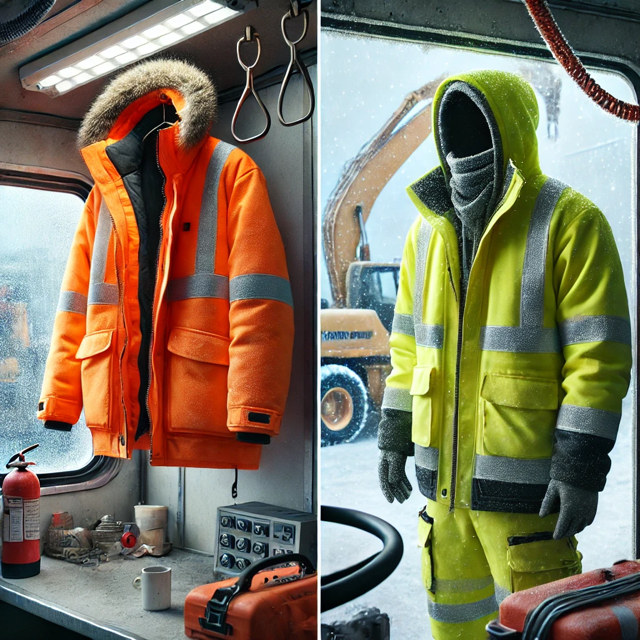
Are Softshell Work Jackets Warm Enough for Harsh Winter Conditions? A 2025 Performance Review
When winter temperatures drop below freezing and winds pick up, many professionals working outdoors face a critical question: are softshell work jackets warm enough for tough winter conditions? In this 2025 performance review, we explore the insulation, water resistance, windproofing, and breathability of softshell jackets designed for extreme environments. You can find a broad range of work jackets, including insulated workwear, waterproof jackets, and softshell styles at Optimum BHP, your trusted BHP store. For more technical insights, visit our winter workwear FAQ and workwear blog.
Unlock more knowledge on our blog:
Comparing Women’s Work Trousers in 2025 – Lahti Pro, Sara Workwear & Ardon
Comparison of Portwest C465 Bomber, Portwest S431 Iona Traffic, and Projob 4411 3-in-1 Jackets
Delta Plus FBF50 Winter, Urgent 1222 Winter & Ardon Hobby Reflex Winter – Comparing Insulated Leather Gloves for Cold-Weather Protection
Comparing Portwest Insulated Winter Workwear Pants: Iona Lite S482, Hi-Vis S598, and Action C387
Cheap Winter Workwear for 2025: Why Procera Is the Budget-Friendly Brand You Can Trust
Procera X-Tip Top Winter, Reis RMC Wintree Winter & CXS Canis Technik Winter – Comparing Insulated Leather Gloves for Professional Winter Use
⸻
Understanding the Softshell Jacket Design
Softshell jackets are made from woven fabric with stretchable, water-resistant, and wind-resistant properties. They often feature a fleece inner lining that provides basic thermal insulation without the bulk of a traditional padded jacket. Softshells are popular among professionals who need both comfort and mobility during physically demanding tasks. While they are less insulated than parka-style jackets, many softshells now include breathable membranes that retain body heat while allowing perspiration to escape. This makes them an excellent choice for layering or as a primary jacket in moderately cold conditions. You’ll find a variety of softshell work jackets at Optimum BHP that strike a balance between warmth and performance.
⸻
Are Softshell Jackets Truly Warm Enough?
On their own, softshell jackets offer moderate warmth — enough for late autumn or milder winter days. They are typically rated for use in temperatures ranging from 0°C to -10°C, depending on wind exposure and the wearer’s activity level. Some models, like the Portwest TK51, include additional insulation or 3-in-1 functionality with removable linings to boost thermal performance. For electricians, construction workers, or outdoor technicians who generate body heat during work, softshell jackets can be sufficient — especially when worn with insulated base layers. However, in extreme cold, a softshell alone might not provide enough warmth without layering.
⸻
Ideal Use Cases: When Softshells Outperform Heavy Coats
Softshell work jackets shine in active, high-mobility jobs where heavy coats can be restrictive. Tasks like logistics, warehousing, delivery services, maintenance, or landscaping benefit from the flexibility and lightweight nature of softshells. When paired with fleece layers or thermal tops, softshells allow better freedom of movement than bulky parkas or winter bombers. Workers who move between indoor and outdoor spaces throughout the day also prefer softshells for their quick temperature adaptability. For jobs requiring visibility, high-visibility models like the Reis K-VIS combine thermal comfort, softshell construction, and reflective detailing.
⸻
Comparing Softshell to Padded Jackets in Winter 2025
Softshell jackets and padded winter jackets serve different purposes. Padded jackets, such as the Portwest S365 3-in-1 bomber, are designed for maximum thermal insulation in sub-zero conditions and extended static work periods. In contrast, softshells provide moderate insulation with better breathability and are ideal for dynamic tasks. A softshell jacket like the CXS Preston can be layered with a down vest or fleece for additional warmth. Many professionals combine both styles, wearing softshells during active work and switching to heavy jackets during breaks or prolonged exposure.
⸻
Features to Look for in a High-Performance Softshell
To ensure a softshell jacket meets the needs of winter work, choose models with these features:
• EN 14058 certification for protection against cold environments
• Windproof membranes to shield against chill
• Water-repellent outer fabric for snow or light rain
• Inner microfleece or insulated lining
• Multiple pockets for tools and essentials
• Reflective elements for visibility during dark winter days
Top-rated brands such as Portwest, CXS Canis, and Sara Workwear offer advanced softshell jackets tailored for professionals.
⸻
Layering with Softshells: The Smart Approach to Winter Dressing
The key to staying warm in a softshell jacket is smart layering. Start with a moisture-wicking thermal shirt, add a fleece mid-layer, and finish with your softshell jacket for insulation and wind protection. This modular approach allows workers to adjust their clothing based on activity level and temperature changes throughout the day. High-performance trousers and insulated safety boots complete the winter workwear setup. You’ll find insulated work trousers and winter safety shoes at Optimum BHP to pair with your softshell jacket for a full cold-weather system.
Combining Softshell Jackets with Insulated Work Trousers
Even the best softshell jacket may not provide full-body protection unless paired with appropriate lower-body gear. In harsh winter conditions, insulated work trousers are crucial to retain warmth in the legs, which are particularly vulnerable to wind and low temperatures. At Optimum BHP, professionals can choose from a range of weatherproof and thermal trousers compatible with softshell upper layers. For high-visibility needs, options like the S489 waterproof insulated bib trousers by Portwest deliver both warmth and safety. When used as part of a layered workwear system, these trousers complement the functionality of a softshell jacket. This full-body solution is especially beneficial for those working in construction, road maintenance, and transportation. Ensuring both top and bottom thermal protection greatly reduces the risk of cold-related injuries or fatigue.
⸻
Softshell Jackets with Reflective Elements for Low-Visibility Work
Another important aspect of winter workwear is visibility, especially during short daylight hours or in fog, snow, or rain. Softshell jackets that incorporate high-visibility features, such as reflective strips and fluorescent colors, offer added protection for workers near traffic or in industrial zones. For instance, the Preston CXS softshell merges comfort and visibility in one lightweight design. These jackets typically conform to EN ISO 20471 standards, ensuring legal compliance and improved on-site safety. When working in logistics hubs or roadside construction, this combination of thermal insulation and visibility is essential. At Optimum BHP, you’ll find a wide range of reflective softshell jackets and accessories to match. The blend of function and safety makes them an ideal investment for modern workplaces.
⸻
Softshell vs. Waterproof Shells: Which One Wins?
While softshell jackets provide comfort and breathability, they are not fully waterproof like traditional rain jackets. In heavy downpours or snowy blizzards, a waterproof outer shell — such as the 3-in-1 Portwest S365 — offers superior protection. However, softshells are often treated with DWR coatings, which repel light rain and snow, making them suitable for most day-to-day winter tasks. If weather unpredictability is a concern, professionals can layer a waterproof shell over a softshell for dual protection. This approach maintains breathability while shielding against the elements. Ultimately, the decision depends on work intensity, duration of exposure, and local climate. Combining both styles, available at Optimum BHP, ensures readiness for any situation.
⸻
Best Softshell Jackets for Winter 2025: Top Brand Picks
Choosing a high-performing softshell jacket means relying on trusted manufacturers. Brands like Portwest, Sara Workwear, CXS Canis, and Reis are leaders in the field of winter workwear. These manufacturers combine ergonomic design, modern materials, and certified protection for reliable performance. The Drogowiec Winter jacket by Sara Workwear features reflective details and thermal insulation suitable for infrastructure workers. Meanwhile, the K-VIS softshell by Reis stands out for its excellent price-performance ratio. Workers looking for EN-certified quality can rely on Optimum BHP’s curated collection of industry-approved softshells for 2025.
⸻
When to Upgrade to Multi-Layer or Hybrid Jackets
While softshell jackets are versatile, they might not be enough for prolonged exposure to sub-zero environments. For these situations, consider hybrid jackets with integrated linings or 3-in-1 functionality. Models like the C467 Portwest 3-in-1 bomber offer layered protection, combining fleece, waterproof outer fabric, and reflective elements in one unit. These solutions reduce the need for multiple garments, saving time and simplifying daily outfit decisions. Moreover, hybrid jackets often come with detachable hoods, ventilation zips, and adjustable cuffs for maximum adaptability. Professionals who spend hours on outdoor sites — such as surveyors or heavy machinery operators — benefit most from this added protection. You’ll find many such advanced options in the insulated workwear section at Optimum BHP.
⸻
Softshell Jackets and Their Role in Sustainable Workwear
Another emerging benefit of softshell work jackets is their contribution to sustainable and long-lasting workwear systems. Thanks to their durability and modularity, softshells help reduce the need for frequent replacements. High-quality models are made from abrasion-resistant materials that endure years of wear. Some manufacturers, such as Snickers Workwear, even incorporate recycled content or sustainable production processes. As companies shift toward eco-conscious procurement, investing in long-life garments becomes both ethical and economical. Optimum BHP continues to expand its offering of durable and environmentally responsible workwear. When combined with responsible laundering and storage practices, softshell jackets become a key element in sustainable professional clothing systems.
⸻
Final Verdict: Are Softshell Work Jackets Warm Enough for Harsh Winter Conditions? A 2025 Performance Review
In most cases, a softshell jacket is warm enough for active winter work, particularly when used in a layered system. However, for extreme cold or static work environments, it’s wise to pair the softshell with a heavier outer shell or wear a fully insulated jacket instead. With the right choice of fabrics, insulation, and EN certifications, softshells can be a reliable part of your winter gear. Explore our full collection of work jackets and winter workwear at Optimum BHP and gear up for winter 2025.
