
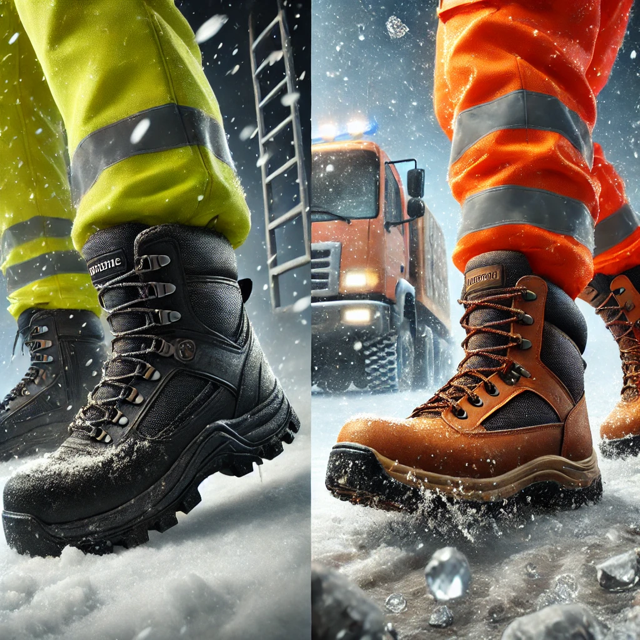
Top Mistakes to Avoid When Buying Winter Work Boots Online – Safety Store Tips
When it comes to winter work, having the right footwear isn’t just about comfort — it’s about protection, safety, and staying productive in harsh conditions. Yet many people still make avoidable mistakes when buying winter work boots online.
From choosing the wrong insulation level to overlooking certification, poor decisions can lead to cold feet, slips, or even workplace accidents.
In this guide, the Safety Store OptimumBHP shares the top mistakes to avoid — and what to do instead — when shopping for insulated safety footwear this winter.
Explore similar posts on our blog:
Best Practices for Layering Winter Workwear for Maximum Comfort and Safety
Choosing Effective Winter Work Coveralls: Protection and Warmth in One
How to Choose Thermal Insulated Pants for Winter Work: Comfort and Protection Combined
Choosing Durable and Comfortable Winter Work Boots for Long Shifts
Choosing the Right Winter Work Safety Glasses and Eye Protection
Winter Workwear with Logo – Effective Protection and Professional Brand Image
⸻
❌ 1. Ignoring EN ISO 20345 Certification
One of the biggest mistakes people make is buying boots without checking for EN ISO 20345certification. This standard ensures the footwear meets strict safety criteria, including:
• Protective toe caps
• Anti-slip soles
• Puncture-resistant midsoles
• Antistatic properties
• Optional insulation (CI) and water resistance (WR)
Always check the product listing for full classification, such as:
S3 CI WR SRC = Ideal for winter work.
🔗 Learn more in our Safety Shoes FAQ
⸻
❌ 2. Choosing Fashion Over Function
Some winter boots may look warm and rugged, but they lack the key features needed for heavy-duty work:
• No slip resistance
• No water protection
• No thermal insulation
• Weak construction materials
Stick to boots from trusted safety brands, even if they look simpler.
Recommended manufacturers from OptimumBHP:
• Base Protection – high-tech insulated footwear
• Ardon – affordable, compliant winter boots
• Portwest – wide selection of S3 CI WR models
• Urgent – excellent value with solid protection
• CXS Canis – cold-resistant soles and fleece lining
• Art.Mas – budget options for logistics and light construction
• Solid Gear – premium winter boots for extreme use
• VM Footwear – reliable and well insulated
⸻
❌ 3. Not Buying for the Job Type
Boots for warehouse workers are not the same as boots for roadwork or construction. Avoid choosing “one-size-fits-all” solutions.
Instead, consider:
• CI rating for long hours in sub-zero temperatures
• WR rating for snow, slush, and wet concrete
• SRC sole for high slip-resistance
• S5 rating for full waterproof protection (often in PU/rubber boots)
🔗 Explore Winter Safety Footwear for All Industries
⸻
❌ 4. Guessing the Size – Especially With Thick Socks
Many workers order their standard summer size — and end up with boots too tight to wear comfortably with thermal socks.
➡️ Tip: Always check the sizing chart and consider sizing up by half a size for winter boots.
Even better: order from a Safety Store like OptimumBHP, which provides full specs and returns if needed.
⸻
❌ 5. Overlooking the Weight of the Boot
Heavy-duty boots often mean heavier weight — but for warehouse pickers or logistics workers, lightweight models are essential.
If your role involves walking or climbing all day, choose:
• Composite toe caps instead of steel
• PU outsole for lighter performance
• Flexible soles to avoid fatigue
Brands like Base Protection and Solid Gear offer high-tech lightweight winter options that don’t compromise protection.
⸻
❌ 6. Skipping WR and CI Codes in the Cold
WR (water resistant) and CI (cold insulation) are non-negotiable in freezing, wet environments.
WR prevents snowmelt and rain from seeping in.
CI ensures the boot retains warmth in low temperatures.
If the product lacks CI WR, it’s not true winter safety footwear — no matter the description.
🔗 Shop CI + WR Boots at OptimumBHP
⸻
❌ 7. Falling for Non-Safety Winter Boots
Generic online stores often sell insulated boots with no safety features at all.
Warning signs:
• No EN number
• No toe cap specification
• No slip rating (SRC, SRA, etc.)
• No sole diagram or data sheet
• Unclear brand or origin
A certified Safety Store ensures that all boots meet PPE regulations and are legal for professional use.
⸻
✅ What to Look for Instead (Quick Checklist)
✔️ EN ISO 20345 – certified
✔️ S3 / S5 – classification
✔️ CI – cold insulation
✔️ WR – water resistance
✔️ SRC – anti-slip
✔️ Brand transparency
✔️ Job-specific design
✔️ Sizing chart provided
✔️ Support for bulk orders
⸻
❓ FAQ – Buying Winter Work Boots Online
Q: What does CI WR mean on work boots?
CI = Cold Insulation. WR = Water Resistant. Together they’re essential for winter PPE.
Q: Can I return safety boots if they don’t fit?
Yes — if you buy from a reputable store like OptimumBHP, you can arrange returns or exchanges.
Q: Are rubber boots better than leather in snow?
It depends. S5 PVC/rubber boots offer full waterproofing. Leather boots are warmer but need WR protection.
Q: What’s the best winter boot for outdoor construction?
Look for S3 CI WR SRC boots from brands like Urgent, Base Protection, or Portwest.
Q: How much should I pay for reliable winter boots?
Expect €40–€80 for mid-range, up to €130+ for premium tech. Avoid anything suspiciously cheap.
⸻
🧊 Conclusion: Top Mistakes to Avoid When Buying Winter Work Boots Online – Safety Store Tips
Buying winter boots online can be tricky — but only if you skip the essentials.
By shopping at a certified Safety Store like OptimumBHP, you get:
• Fully certified insulated footwear
• Boots suited for your job and climate
• Real technical specs and sizing
• Trusted European brands
• Expert support and returns if needed
❄️ Don’t gamble with cold feet or unsafe soles. Equip yourself properly — and stay productive all winter long.
