
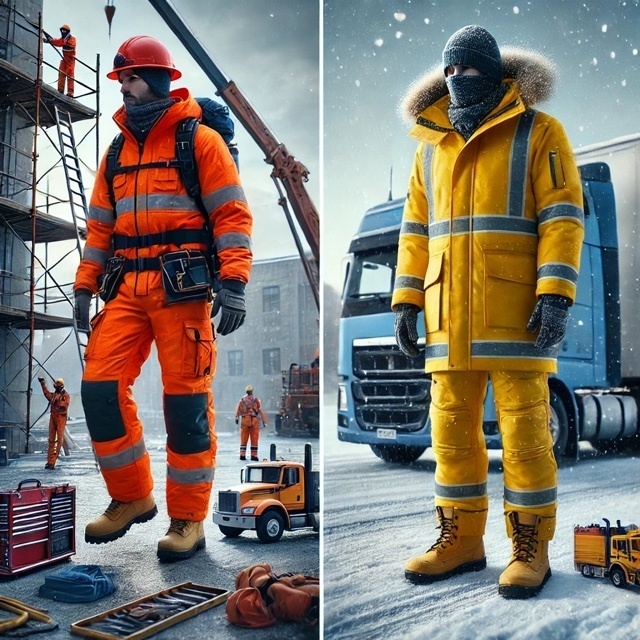
The Importance of Layering in Winter Workwear for Optimal Warmth and Safety
Working outdoors in winter requires effective strategies to maintain body heat and protect against cold-related injuries. One of the most reliable methods used by professionals is the layering system in winter workwear. Layering involves wearing multiple garments that work together to provide insulation, moisture management, and protection against wind and water. This approach offers flexibility, allowing workers to adjust their clothing according to changing weather and activity levels.
At Optimum BHP, we offer a comprehensive range of insulated workwear, including base layers, mid-layers like fleeces and polars, and outer shells. Our products come from trusted brands such as Portwest, Delta Plus, Urgent, and Sara Workwear, designed to work together seamlessly for maximum warmth and safety.
Explore our Winter Workwear FAQ and expert tips on our Workwear & PPE Blog for more information.
Check out our other blog posts:
The Ultimate Winter Workwear Set: What to Buy and Where to Order It Online
Choosing the Right Winter Work Gloves: Protection, Warmth, and Dexterity – Safety Store Optimum BHP
Best Winter Workwear for Outdoor Jobs in Northern Europe – Top Picks from a Trusted Safety Store
Choosing the Right Winter Safety Helmets for Cold Weather Work – Safety Store Optimum BHP
How to Select Effective Winter Work Gloves for Cold and Wet Conditions – Safety Store Optimum BHP Guide
How to Choose Durable and Insulated Winter Work Pants for Harsh Conditions – Safety Store Optimum BHP
⸻
Understanding the Layering System: Base, Mid, and Outer Layers
The layering system consists of three main garment categories, each with a specific function:
• Base Layer: Worn directly on the skin, it manages moisture by wicking sweat away, keeping the skin dry. Materials such as merino wool or technical synthetics are common for base layers, providing comfort and thermal regulation.
• Mid Layer: Acts as the primary insulation barrier. Typically made from fleece, wool, or quilted materials, it traps body heat while maintaining breathability.
• Outer Layer: Protects against wind, rain, and snow. Waterproof and windproof fabrics with breathable membranes ensure the wearer stays dry without overheating.
By combining these layers, workers can adapt to temperature fluctuations and varying activity intensities.
⸻
Benefits of Layering in Winter Workwear
Layering offers several advantages for outdoor workers:
• Temperature Regulation: Layers can be added or removed to maintain optimal body temperature throughout the day.
• Moisture Management: Base layers prevent moisture buildup that can lead to chilling.
• Versatility: Suitable for a wide range of weather conditions and work intensities.
• Enhanced Protection: Outer shells provide defense against harsh elements like wind and precipitation.
At Optimum BHP, our layered winter clothing system is designed to maximize these benefits.
⸻
Choosing the Right Materials for Each Layer
Selecting appropriate materials is critical for effective layering:
• Base Layers: Opt for moisture-wicking fabrics like merino wool or polyester blends.
• Mid Layers: Fleece and insulated jackets offer warmth without restricting movement.
• Outer Layers: Look for durable waterproof materials with windproof properties and breathability, such as Gore-Tex® or equivalent membranes.
Our product range includes carefully selected items suitable for each layer, all available in the Optimum BHP winter workwear category.
Enhancing Thermal Efficiency with Layer Combinations
One of the key benefits of the layering system is its ability to enhance thermal efficiency by combining different garments that complement each other. For example, pairing a high-quality insulated fleece mid-layer with a breathable base layer made of moisture-wicking fabric can significantly improve warmth retention. Adding a durable, waterproof outer shell further seals in heat and protects against wind and precipitation. This multi-layered approach ensures that workers remain comfortable in variable winter conditions, reducing the risk of cold stress and maintaining productivity throughout the day.
⸻
Customizing Layering Strategies for Specific Work Environments
Different outdoor work environments require tailored layering strategies to address unique challenges. For instance, workers in construction or road maintenance may face heavy physical exertion combined with exposure to wet and windy weather, necessitating breathable base layers and highly waterproof outerwear. Conversely, employees working in stationary roles, such as security or surveillance, might prioritize thicker insulation and windproof fabrics to withstand prolonged exposure to cold. At Optimum BHP, we provide a diverse selection of winter workwear layers that allow you to customize protection according to specific job demands.
⸻
Incorporating High-Visibility Elements into Layered Workwear
Safety regulations often mandate the use of high-visibility clothing for workers exposed to traffic or low-light conditions. When implementing a layering system, it’s crucial to ensure that high-visibility elements remain effective regardless of the number of layers worn. This means choosing high-visibility insulated jackets and mid-layers with certified fluorescent colors and reflective tapes that meet EN ISO 20471 standards. Optimum BHP’s collection includes garments designed to maintain visibility even when layered, enhancing worker safety on busy winter sites.
⸻
Practical Tips for Maintaining Layered Winter Workwear
Maintaining the performance of layered winter workwear requires proper care of each garment type. Base layers should be washed regularly to prevent odor buildup, using mild detergents that preserve fabric properties. Mid-layers often require gentle handling to maintain insulation effectiveness, while outer shells need periodic reapplication of durable water repellent (DWR) treatments to sustain waterproofing. Storing garments properly, avoiding exposure to direct sunlight or harsh chemicals, and following manufacturer care instructions ensure your winter layering system remains reliable season after season.
⸻
Practical Tips for Layering in the Workplace
• Start with a snug-fitting base layer to efficiently wick moisture.
• Avoid cotton as it retains moisture and causes cooling.
• Use mid layers that balance insulation and breathability.
• Choose outer layers with ventilation options to prevent overheating.
• Regularly assess clothing throughout the day to adjust layers according to activity and weather changes.
Our expert team at Optimum BHP is ready to guide you in building an effective winter layering system.
⸻
Conclusion: The Importance of Layering in Winter Workwear for Optimal Warmth and Safety
Implementing a proper layering system in winter workwear is essential for outdoor workers to stay warm, dry, and safe. Combining quality base, mid, and outer layers allows for flexible protection against fluctuating winter conditions. Trust Optimum BHP for a wide selection of premium winter workwear designed to work perfectly together, ensuring your workforce stays comfortable and productive throughout the cold season.
