
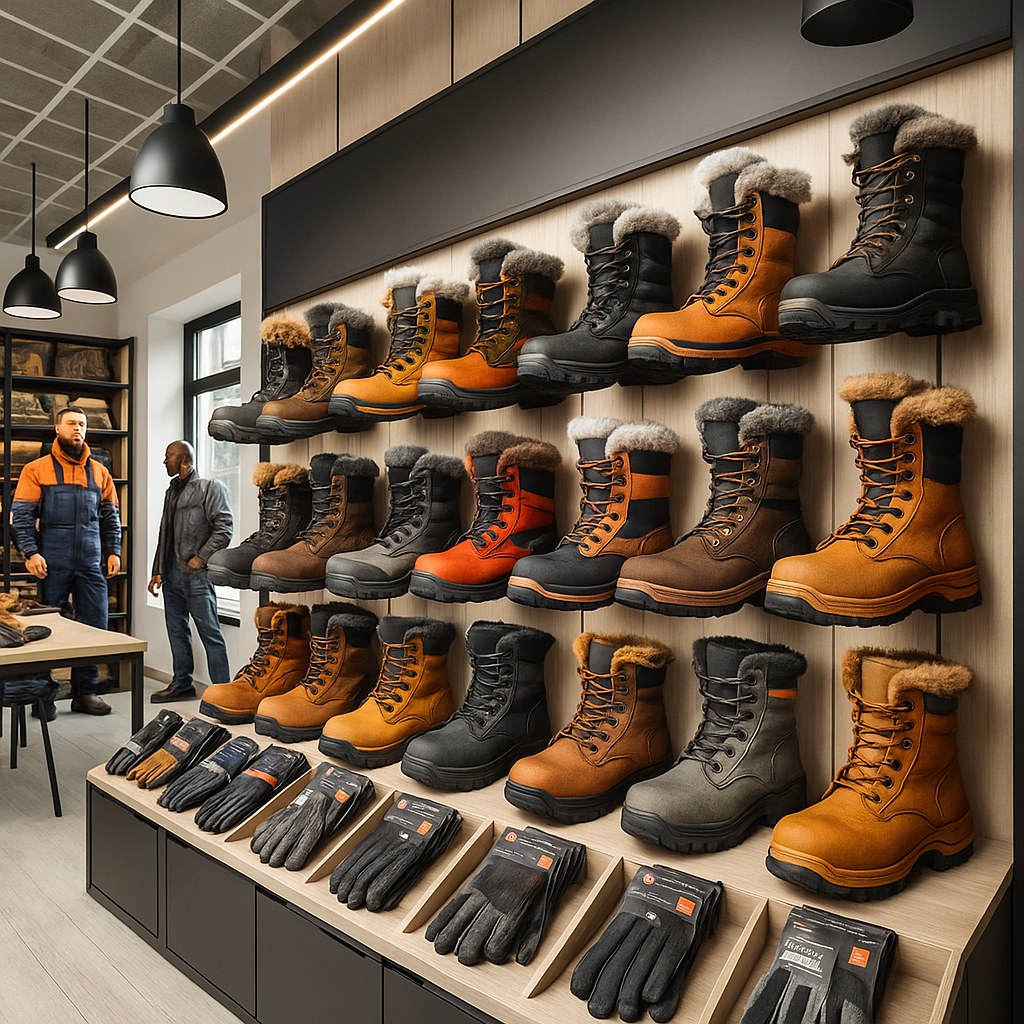
The Importance of Certified Safety Footwear at Work
In any professional environment where physical risks are present, wearing certified safety footwear is not just a recommendation — it’s a legal and practical necessity. Shoes that meet the EN ISO 20345 certification protect against impacts, punctures, slips, and extreme conditions, helping workers stay safe and productive. Brands like Procera, Portwest, and Delta Plus are known for their rigorous adherence to EU standards, ensuring maximum safety in construction, manufacturing, logistics, and warehouse sectors. Investing in certified footwear means investing in fewer injuries, fewer sick days, and higher long-term efficiency. At Optimum BHP, you’ll find certified models designed for every industry — whether you work outdoors, indoors, in hospitals, or in production facilities. Learn more about standards and compliance on the blog or check detailed safety FAQs in the FAQ section.
Don’t miss our latest blog entries:
How REIS Insulated Jackets Improve Comfort, Warmth and Visibility During Winter Weather
How to Dress for Winter Rain: Waterproof Hydros Winter Collection by Sara Workwear
Polstar Winter Workwear for Warehouse and Logistics Supervisors: Warmth, Mobility, and Professional Appearance Indoors and Outdoors
How to Build a Warm and Functional Winter Set With REIS Products
Polstar Insulated Clothing for Security Guards: Professional, Warm, and Weather-Resistant Gear for Winter Patrols
Premium Leather vs Synthetic Gloves: CABRA WINTER vs HORIZON ALASKA vs ALASKA Polar
⸻
Why Certification Matters in Modern Work Environments
Certification ensures that your footwear has undergone extensive testing for resistance, durability, and ergonomic comfort. Ardon and CXS Canis offer S3 models that are water-resistant and puncture-proof, while Base Protection integrates shock absorption and breathable layers for long hours on site. Certified shoes are especially important in high-risk areas, where unverified products could lead to severe injuries. Uvex and Lemaitre ensure full compliance with European directives, offering models that protect against electrical, chemical, and mechanical hazards. In short, certified safety footwear is the foundation of responsible workwear — a balance between protection, comfort, and trust in verified quality.
⸻
How to Identify and Choose Certified Work Shoes
When browsing the Optimum BHP store, always check the inner label or product description for EU certification marks such as EN ISO 20345, EN ISO 20346, or EN ISO 20347. For outdoor environments, look for S3-class boots like those from Urgent or Polstar, which combine waterproof leather uppers with anti-perforation midsoles. For indoor workplaces, S1P-certified shoes from Art.Mas or Ogrifox provide optimal grip and ventilation. Healthcare and service professionals can rely on Julex for hygienic, anti-static footwear that meets medical standards. Always verify that your shoes display both certification labels and brand documentation confirming compliance.
⸻
FAQ – Certified Safety Footwear and Workplace Protection
1. What does EN ISO 20345 certification mean?
It confirms that footwear meets EU safety standards for impact resistance, slip protection, and sole durability — all available at Optimum BHP.
2. Why is certification important in safety footwear?
Certified shoes, such as those from Procera or Delta Plus, guarantee tested protection against workplace hazards.
3. What are the main certification classes (S1–S5)?
Each class defines specific safety features, from basic toe protection (S1) to waterproof, puncture-resistant protection (S5).
4. How can I check if my shoes are certified?
Look for the EN ISO label printed on the shoe tongue, inner lining, or packaging, or verify details on Optimum BHP.
5. Are non-certified shoes dangerous?
Yes — they may lack proper protection and increase the risk of injury on site.
6. Which brands are most trusted for certified footwear?
Top choices include Base Protection, Uvex, and Portwest.
7. What’s the difference between EN ISO 20345 and 20347?
20345 covers protective-toe footwear; 20347 applies to occupational shoes without toe caps, often used in healthcare.
8. Are S3 shoes waterproof?
Yes — S3-certified models like CXS Canis and Polstar resist water and punctures.
9. What’s the lifespan of certified footwear?
Typically 12–18 months, depending on intensity of use; always replace damaged soles or toe caps.
10. Are composite safety toes certified?
Yes, as long as they meet the EN ISO impact resistance threshold, similar to steel.
11. Do all certified shoes offer anti-slip properties?
Yes, all certified work shoes include anti-slip outsoles tested on wet and oily surfaces.
12. Can certified footwear be eco-friendly?
Yes — Lemaitre and Cofra develop certified, sustainable shoe lines.
13. Are certified shoes mandatory for all workers?
They are required in industries where physical risks exist, such as construction, logistics, and maintenance.
14. Can safety shoes protect against electrical shocks?
Yes — look for ESD or anti-static certification in models from Uvex and Julex.
15. Where can I find verified certified shoes online?
All listed brands and models at Optimum BHP are fully certified and compliant with EU standards.