
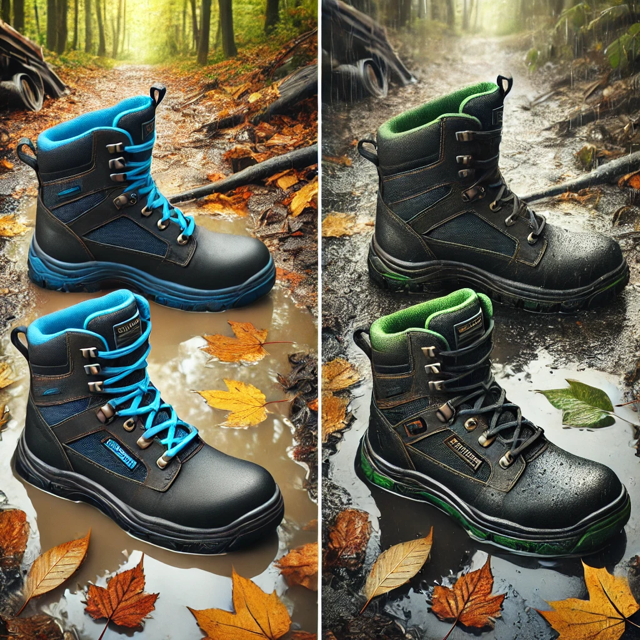
Steel Midsole Safety Boots: Protection from Sharp Hazards on Industrial Sites in 2025
Industrial job sites are filled with potential hazards, but one of the most common is stepping on sharp objects like nails, screws, or glass shards. That’s why steel midsole safety boots remain one of the most essential types of PPE in 2025. These boots feature a built-in steel plate beneath the sole that protects workers’ feet from punctures and cuts. Trusted brands such as Procera, Portwest, and Delta Plus offer S3-certified steel midsole boots combining durability, comfort, and flexibility. At Optimum BHP, professionals can find a full range of certified footwear designed for maximum protection in construction, heavy manufacturing, and mechanical workshops.
Check out our other blog posts:
Insulated Winter Safety Footwear Compared: BEARFIELD R02 S3 SRC vs BEARFIELD R02 LICO Metal-Free S3 vs GRENLANDER OCP-862 EVA
How to Stay Warm Outdoors: REIS Layering Strategies for 2025 Winter Conditions
Posejdon vs Norman: Comparing Two Sara Workwear Winter Sets for Outdoor and Warehouse Professionals
Three Premium Polstar Fleeces Compared: SEVEN KINGS SAPHIR vs SEVEN KINGS QUARTZ vs SEVEN KINGS TOPAZ
REIS Winter Gloves for Commercial Logistics, Retail Outdoor Operations and Wet Winter Handling: NORTEX vs. RPOLARGJAPAN vs. RLCS WINTER
Urgent Winter Workwear for Heavy Equipment Operators: Visibility, Flexibility, and Thermal Protection in Construction Environments
⸻
How Steel Midsoles Provide Puncture Resistance
The core of every puncture-resistant shoe is its steel midsole layer, which is placed between the outsole and the insole. It acts as a shield, preventing sharp objects from penetrating the sole. Procera and Delta Plus models undergo rigorous EU testing to withstand 1100N of pressure — meaning they can resist the force of a sharp nail or metal spike. Unlike textile inserts, steel midsoles provide consistent protection across the entire surface of the foot. Although slightly heavier, they are unmatched in environments where piercing hazards are frequent, such as construction sites, scrapyards, or steel workshops.
⸻
Durability and Structural Strength
Steel midsole safety boots are built to last. Portwest and CXS Canis use double-stitched uppers and thick rubber outsoles that resist oil, heat, and abrasion. The steel insert not only prevents punctures but also reinforces the shoe’s structure, maintaining shape under pressure. Delta Plus integrates shock-absorbing heels and anti-slip treads, combining toughness with comfort. For demanding industries such as metal fabrication, shipbuilding, or waste management, steel midsoles offer superior longevity — keeping workers safe through the harshest conditions.
⸻
Balancing Protection and Comfort
While protection is critical, comfort cannot be ignored. Modern steel midsole footwear from Base Protection and Uvex features ergonomic insoles, breathable linings, and shock-absorbing soles to reduce fatigue during long hours of use. Procera adds cushioned collars and energy-return midsoles to improve step comfort. Cofra develops antibacterial linings that wick moisture away from the skin. These innovations prove that heavy-duty protection doesn’t have to feel heavy — today’s designs combine industrial toughness with sneaker-like comfort.
⸻
Steel Midsole vs. Textile Midsole: Which Is Better?
The choice between steel and textile midsoles depends on the job type. Steel provides unbeatable puncture resistance, making it ideal for construction, demolition, and repair environments. Textile midsoles, such as those found in Base Protection models, are lighter and flexible, perfect for indoor or mixed-use work. However, Delta Plus and Portwest steel midsoles still lead in raw durability and consistent coverage. For most high-risk sectors, steel remains the gold standard for puncture resistance in 2025.
⸻
Maintenance and Long-Term Safety
Proper maintenance ensures that steel midsole boots retain their full protective qualities. Always clean soles after contact with sharp debris and inspect regularly for cracks or puncture marks. Avoid excessive bending or exposure to corrosive chemicals, which may weaken the metal plate. Procera and Portwest recommend replacing footwear every 18–24 months or sooner if the sole shows visible wear. At Optimum BHP, every product includes detailed care instructions and certification data, helping professionals maintain long-term safety compliance.
⸻
Eco-Friendly and Technological Advancements
Steel midsole footwear is evolving alongside sustainability trends. Cofra and Lemaitre now produce eco-conscious models using recycled rubber and renewable materials. Base Protection incorporates anti-odor, biodegradable insoles and recyclable steel inserts. With these innovations, safety footwear is becoming greener without compromising its industrial-grade strength. By choosing certified brands available at Optimum BHP, companies align with both EU PPE regulations and modern sustainability standards.
⸻
FAQ – Steel Midsole Safety Boots
1. What is a steel midsole in safety footwear?
It’s a protective steel plate embedded between the insole and outsole that prevents punctures.
2. Which industries require steel midsole boots?
Construction, metalworking, manufacturing, and waste management.
3. Are steel midsoles stronger than textile ones?
Yes — steel provides more consistent puncture resistance across the entire sole.
4. Do steel midsole shoes feel heavy?
Slightly, but modern designs minimize weight with ergonomic construction.
5. Which brands offer top-rated steel midsole footwear?
Procera, Portwest, and Delta Plus.
6. Do steel midsoles rust?
No — they’re coated with corrosion-resistant alloys to prevent rusting.
7. Can these boots also be waterproof?
Yes — Portwest and Procera S3 models include waterproof membranes.
8. Are steel midsole boots suitable for electricians?
Not recommended — composite midsoles are non-conductive and safer for electrical work.
9. How much pressure can steel midsoles resist?
They withstand up to 1100N of force — enough to block sharp industrial debris.
10. Do steel midsoles affect shoe flexibility?
Slightly, but modern designs from Base Protection maintain excellent mobility.
11. Are these boots slip-resistant?
Yes — all certified models at Optimum BHP feature SRC-rated anti-slip soles.
12. How long do steel midsole shoes last?
Typically 18–24 months, depending on intensity of use and care.
13. Are eco-friendly steel midsole models available?
Yes — Cofra and Lemaitre produce sustainable options.
14. How can I tell if my boots still protect from punctures?
If the sole is visibly cracked or worn, the protection layer may be compromised — replace immediately.
15. Where can I buy certified steel midsole safety boots?
At Optimum BHP — your trusted EU retailer for professional-grade PPE footwear.
