
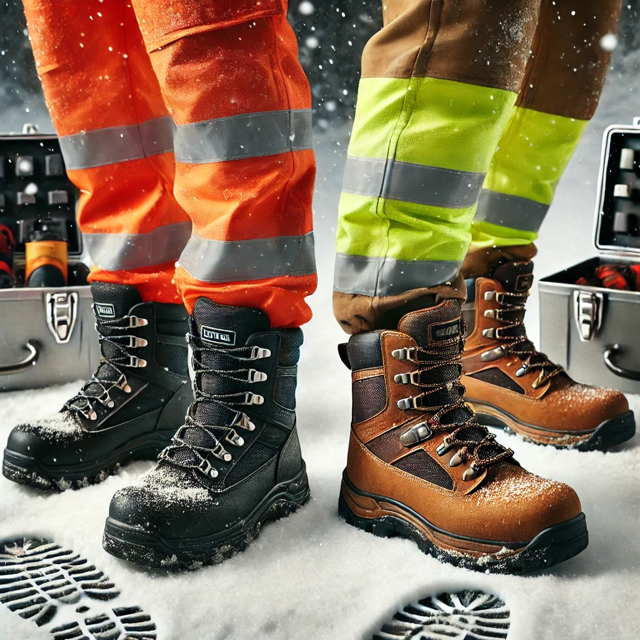
Insulated Winter Work Boots: Ultimate Protection for Cold Weather in 2025
When temperatures drop below freezing, staying safe and comfortable starts with your feet. The new generation of insulated winter work boots provides unmatched protection against cold, moisture, and slippery surfaces. Brands such as Procera, Portwest, and Urgent lead the market in 2025 with footwear engineered for both performance and warmth. Using advanced thermal linings, waterproof membranes, and anti-slip soles, these boots ensure stability and insulation even in temperatures below –20°C. Whether you’re a construction worker, warehouse operator, or road technician, insulated S3 footwear keeps you focused and protected throughout winter. All certified models available at Optimum BHP meet EN ISO 20345 standards and provide proven comfort in extreme cold.
Browse other topics on our blog:
Warm and Durable Insulated Jackets for Warehouse and Outdoor Work: Portwest DX430 vs. Procera Vigor vs. Sara Workwear Comfort Neo Winter
Urgent 1221 Winter, CXS Canis Dingo Winter & Polstar Alaska Evolution Winter – Comparing Insulated Leather Gloves for Demanding Winter Work
CXS Canis High-Visibility Winter Workwear for 2025: Stay Safe and Seen in Harsh Conditions
Winter Safety Shoes 2025: Protecting Logistics and Warehouse Teams in Cold Environments
Portwest AS26 ESD Antistatic Polar vs Portwest FR30 Flame Resistant Polar vs Portwest FR31 Hi-Vis Flame Resistant Polar — technical protection in fleece workwear
Ardon Hilton Winter, Portwest A280 Wintershield & CXS Canis Urbi Winter – Comparing Insulated Leather Gloves for Harsh Winter Conditions
⸻
Advanced Insulation Technologies for Winter Work Boots
Modern winter safety boots are far more than thick leather and fur. Portwest uses ColdStore® technology and Thinsulate™ linings that trap heat while remaining lightweight. Procera introduces multi-layer insulation with breathable membranes, keeping feet dry from both external moisture and internal perspiration. Delta Plus and CXS Canis combine waterproof leather with thermal padding, perfect for snow and icy conditions. Thanks to microfleece or aluminum-lined inserts, heat retention has never been more effective. These innovations make modern safety footwear not only practical but also essential PPE for cold-weather operations.
⸻
Waterproofing and Breathability: The Perfect Balance
Cold-weather protection means nothing without waterproof performance. Wet feet lose heat up to 25 times faster, which can cause discomfort or even frostbite. That’s why Base Protection and Cofra integrate hydrophobic coatings and sealed seams into every pair of insulated boots. Breathable membranes allow sweat to escape, preventing moisture buildup inside. Lemaitre designs boots that maintain internal airflow while blocking snow and rain, achieving the ideal comfort-to-protection ratio. For full-day outdoor work, waterproofing and breathability are equally important — and at Optimum BHP, you’ll find dozens of certified options that master both.
⸻
Slip Resistance and Stability on Icy Surfaces
Even the best insulation won’t matter if your boots can’t grip the ground. Procera and Delta Plus feature deep-tread outsoles that resist slipping on ice, oil, or snow-covered surfaces. Many models now include SRC-certified soles and additional heel stabilizers for balance. Uvex enhances safety with energy-absorbing heel systems, reducing pressure on joints while maintaining traction. For professionals working on icy construction sites or outdoor facilities, such technology reduces injury risk and improves efficiency. Combine slip-resistant soles with thermal socks, and you’ll stay firmly on your feet even in freezing rain.
⸻
Comfort and Ergonomics During Long Winter Shifts
Extended exposure to cold demands footwear that’s warm, flexible, and comfortable. Ardon and Polstar deliver padded interiors and lightweight insulation that prevent fatigue during 10–12-hour shifts. Ergonomic arch support and shock-absorbing insoles make walking easier on uneven terrain. Base Protection incorporates anti-fatigue soles that maintain comfort even after a full workday. For drivers, mechanics, and logistics workers, mid-cut insulated boots from Ogrifox provide flexibility without compromising warmth. Modern designs prove that staying warm doesn’t mean feeling bulky — insulation today is smart, breathable, and built for mobility.
⸻
Durability, Certification, and Long-Term Performance
Winter footwear must endure constant exposure to snow, salt, and mud — which means durability is key. CXS Canis and Procera use reinforced toe caps and abrasion-resistant uppers to withstand daily wear. Portwest ensures every pair meets EU S3 waterproof and anti-slip certifications, while Urgent provides budget-friendly yet durable thermal protection. For extended life, clean boots regularly and use leather conditioners to preserve waterproof layers. At Optimum BHP, each product includes care instructions and EN ISO compliance details to help you maintain maximum performance all season long.
⸻
FAQ – Insulated Winter Work Boots
1. Why do I need insulated work boots in winter?
They protect against frostbite, heat loss, and injuries caused by cold and moisture.
2. What temperature are these boots designed for?
Many models, like Portwest, protect down to –20°C or below.
3. Are insulated boots also waterproof?
Yes, all S3-certified models from Procera or Delta Plus feature waterproof membranes.
4. Which insulation materials are most effective?
Thinsulate™, microfleece, or aluminum foil layers used by Portwest and CXS Canis.
5. Can insulated boots be breathable?
Yes — Base Protection and Lemaitre use breathable thermal linings.
6. What’s the best sole type for icy surfaces?
SRC-rated rubber soles like those in Procera and Delta Plus boots.
7. Do insulated boots feel heavy?
Modern designs like Urgent and Ardon are surprisingly lightweight.
8. How often should I replace winter work boots?
Every 18–24 months or sooner if the waterproof layer or tread shows damage.
9. Are there eco-friendly insulated options?
Yes — Cofra and Lemaitre produce models using recycled materials.
10. Do insulated boots meet EN ISO standards?
All products from Optimum BHP meet EN ISO 20345 S3 requirements.
11. Are insulated shoes suitable for indoor use?
Only if the workplace is cold or unheated — otherwise, choose lighter breathable models.
12. Can I wear thermal socks with insulated boots?
Yes, it enhances warmth and helps wick away moisture.
13. What’s the difference between S3 and S5 winter footwear?
S3 boots are waterproof leather; S5 boots are polymer-based and fully waterproof for deep water or mud.
14. How do I maintain waterproof insulation?
Clean after each use and apply protective sprays for leather surfaces.
15. Where can I buy certified winter safety boots online?
At Optimum BHP — your trusted source for Procera, Portwest, Delta Plus, and Urgent insulated footwear.