
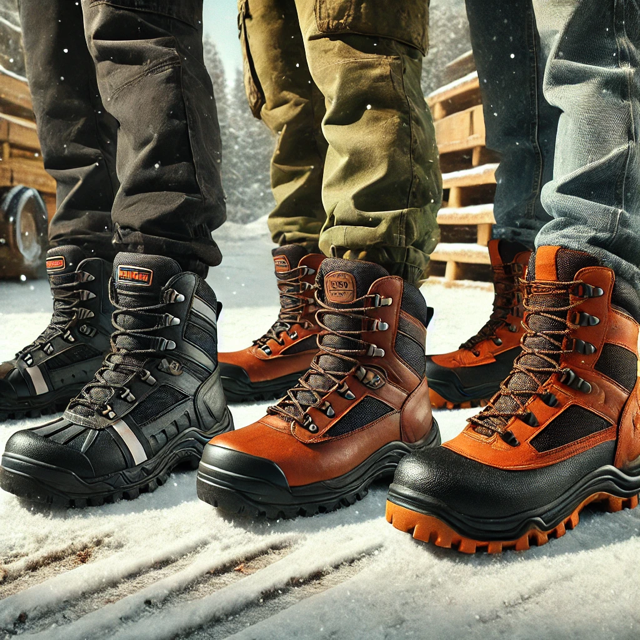
How to Choose the Right Safety Shoes for Your Job
Selecting the right safety shoes can make all the difference between a comfortable, productive workday and constant foot strain. Each workplace requires different types of protection, so it’s crucial to understand whether you need S1P, S2, or S3-certified footwear. For construction or outdoor work, waterproof and puncture-resistant options such as Portwest or Procera are ideal. In warehouse or logistics environments, lightweight and breathable shoes from Base Protection or CXS Canis ensure lasting comfort. Electricians benefit from non-conductive soles available in Uvex or Delta Plus models. Visit the Optimum BHP store to compare all categories of footwear and get expert advice on matching protection levels to your profession. You’ll also find practical articles on the blog and detailed guides in the FAQ section.
Read more from our blog:
Hydros vs Wulkan: Comparing Two Flame-Resistant and Waterproof Sara Workwear Sets for Industrial and Welding Teams in Winter
Buty robocze ze średniej półki dla branży przemysłowej ciężkiej – trwałość i komfort w wymagającym środowisku pracy
Porównanie polarów roboczych Polstar: Polar Roboczy Benefit Rival Polstar vs Polar Roboczy z Pasami Odblaskowymi Brixton Flash Kat.2 Klasa 2 Polstar vs Polar Roboczy Seven Kings Saphir Polstar
REIS Winter Gloves for Municipal Services, Snow Clearing Crews and Public Infrastructure Maintenance in Icy Conditions: RFROZEN DRAGON vs. RWD WINTER DRAGON vs. RLCS ICE
REIS Light-to-Medium Winter Work Gloves for Mixed Cold Conditions: RPOLAREX, NORTEX and RLCS ICE Compared
Zestaw Polstar dla kierowcy ciężarówki zimą – ciepło, wygoda i bezpieczeństwo w trasie
⸻
Matching Footwear to Your Work Environment
Not every pair of work shoes suits every job. Professionals working on construction sites should consider Ardon safety footwear for superior durability and ankle protection. Those in manufacturing or automotive industries may prefer Cofra or Lemaitre, which combine reinforced toe caps with oil-resistant soles. Healthcare workers often choose lightweight, hygienic options like Julex medical shoes for daily use in hospitals. Meanwhile, warehouse operators benefit from flexible, shock-absorbing soles found in Ogrifox or Art.Mas footwear. For cold climates, insulated boots from Urgent or Polstar keep feet warm without compromising safety. When in doubt, look for models labeled EN ISO 20345, which meet strict European PPE regulations.
⸻
Key Technical Features to Consider
Before buying, evaluate critical features based on your work environment. For example, antistatic protection, steel toe caps, and puncture-resistant midsoles are must-haves for heavy-duty fields like construction or engineering. If comfort and mobility are priorities, look for breathable mesh panels and cushioned insoles available in VM Footwear or Sako shoes. Waterproof membranes ensure dryness in outdoor settings, while slip-resistant rubber soles prevent accidents on oily or wet surfaces. High-cut designs stabilize the ankle, protecting against twists or impacts. Lastly, remember that correct sizing and ergonomic shape directly influence posture and fatigue. Investing in premium safety footwear from Optimum BHP guarantees durability, comfort, and long-term value.
⸻
FAQ – Choosing the Right Safety Shoes
1. What safety class should I choose for my job?
If you work indoors, opt for S1P shoes, which are lightweight and breathable. Outdoor or construction environments require S3-class footwear, such as Procera or Portwest boots with waterproofing and anti-perforation midsoles.
2. How do I know if my shoes meet EU safety standards?
Look for markings like EN ISO 20345 and specific class codes (S1, S2, S3, etc.). All products in Optimum BHP’s safety footwear collection comply with EU certification.
3. Which brands are best for all-day comfort?
Workers often choose Base Protection, Delta Plus, or Uvex for ergonomic soles and lightweight construction.
4. Are waterproof safety shoes necessary for all jobs?
Only if your work involves outdoor or wet conditions. Otherwise, breathable mesh models like Ogrifox may be a better option.
5. How often should I replace my work shoes?
Typically after 12–18 months, or when the tread wears out. Inspect your work boots regularly to ensure maximum protection and performance.
