
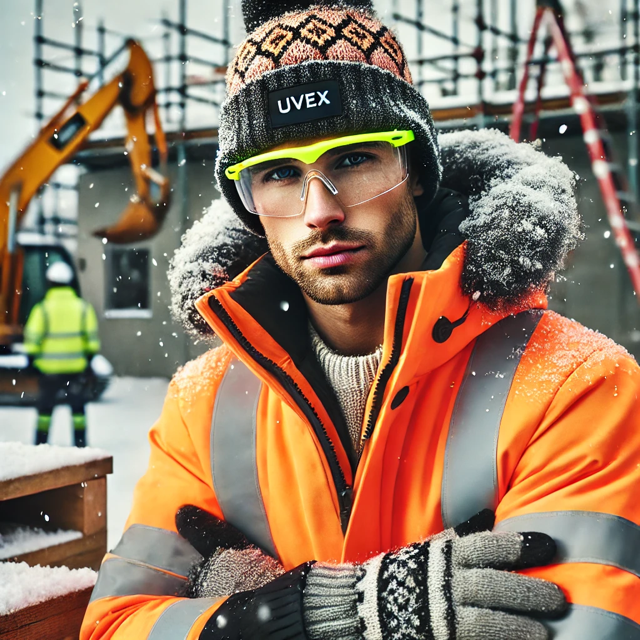
Differences in Clear Safety Glasses: Shapes, Coatings, Standards, and Price in 2025
Eye protection is an essential part of workplace safety, and clear safety glasses remain a popular choice due to their versatility and maximum visibility. The Optimum BHP store offers a wide range of safety glasses that meet the needs of various industries, from construction to laboratory work. On the Optimum BHP blog you will find expert advice, and the FAQ section explains standards, coatings, and maintenance. Differences between models can include frame shape, lens coatings, compliance with safety norms, and price range. For example, the PROCERA Diego Clear Safety Glasses provide classic lightweight protection, while the UX OO Pheos Uvex Safety Glasses offer advanced coatings and ergonomics. Choosing the right pair requires considering the work environment, specific hazards, and comfort needs. In 2025, clear safety glasses continue to evolve, with manufacturers offering improved fit, durability, and optical clarity. Understanding these differences will help businesses and workers select the most suitable model.
Check out our other blog posts:
Why Urgent Insulated Workwear Is Ideal for Delivery Drivers Facing Harsh Winter 2025
Autumn Workwear 2025: How to Transition from Summer to Colder Days
Best Autumn Work Shoes for Wet and Slippery Conditions – Autumn Workwear 2025
Top Flame-Resistant Base Layers for Winter 2025: Essential First Protection for Cold and Hazardous Work
S3 Work Shoes: Reliable Protection and Comfort for EU Workers in 2025
Winter Safety Shoes 2025: A Guide to Choosing the Right S3 Safety Boots
______
Shape and Frame Design in Clear Safety Glasses
The shape of clear safety glasses directly affects both protection and comfort. Wrap-around frames, such as the OO Cansas REIS Safety Glasses, offer extended side coverage, preventing particles from entering from the periphery. More open designs like the Feather Fit MSA Safety Glasses improve ventilation and reduce fogging, making them suitable for indoor environments. Adjustable temple arms in models such as the M5000 Ardon E4044 allow for a personalized fit, enhancing comfort during long shifts. Some glasses feature curved lenses for a wider field of vision, as seen in the Bolle Slam Clear Glasses. Choosing the right frame shape depends on the type of work and whether mobility or full enclosure is a higher priority. Lightweight frames improve wear compliance, while heavier-duty designs provide extra protection in high-risk environments. Ergonomics also play a role — soft nose pads and flexible arms prevent pressure points. In 2025, many designs combine both protective coverage and comfort features, ensuring workers keep them on throughout the day.
Lens Coatings for Better Performance
Lens coatings are a key difference between models of clear safety glasses, significantly impacting performance in various environments. Anti-fog coatings, such as those on the Bolle Prism Clear Glasses, are essential for humid or temperature-changing workplaces. Scratch-resistant coatings, like on the PROCERA Diego Clear Safety Glasses, protect against wear from dust or abrasive particles. Some models, such as the UX OO Pheos Uvex, combine multiple coatings for all-round protection. Anti-static properties can also be found in certain models, reducing dust attraction. Coating quality often influences price — premium coatings last longer and require less maintenance. UV protection coatings, even on clear lenses, are vital for outdoor workers. The right coating ensures clear vision and reduces the need for frequent replacements. Optimum BHP offers detailed specifications so buyers can match coating types to their specific industry needs.
Compliance with Safety Standards
One of the most important factors when choosing clear safety glasses is compliance with recognized safety standards. All professional models at Optimum BHP meet EN 166 requirements, ensuring resistance to impact, optical clarity, and frame durability. Models like the OO Georgia REIS Safety Glasses and PW32 Portwest Rounded Glasses have been tested to protect against low-energy impacts. Some models also meet additional standards for UV protection or anti-fog properties. Understanding markings on the lens and frame helps ensure the product is appropriate for the intended application. Using uncertified glasses in a regulated workplace can result in compliance failures and increased risk of injury. Optimum BHP provides only certified eyewear, ensuring both legal and safety requirements are met. In 2025, increasing safety regulations make compliance more important than ever.
Price Range and Value Considerations
The price of clear safety glasses often reflects materials, coatings, ergonomics, and brand reputation. Entry-level models like the Ardon P5 Clear Glasses offer compliant protection at an affordable price, making them suitable for bulk orders. Mid-range options such as the M1000 Ardon E4016 balance cost with additional comfort and coating features. Premium models like the UX OO Style Uvex justify higher prices with superior durability, advanced coatings, and ergonomic design. Price should also be evaluated in terms of lifespan — high-quality coatings and materials reduce replacement frequency, making them cost-effective in the long run. Companies must weigh immediate cost against long-term savings and worker satisfaction. Optimum BHP provides options for every budget while maintaining safety compliance. Understanding the value each price tier offers helps businesses choose the most efficient solution.
⸻
Durability and Long-Term Use
The durability of clear safety glasses depends on frame construction, lens quality, and resistance to wear. Models like the SecureFit 400 3M Glasses are designed to maintain shape and integrity even with daily industrial use. The Bolle Rush Clear Glasses feature reinforced temples and flexible frames to withstand bending and impact. Lenses with hard coatings, as in the M7000 Ardon E4051, remain scratch-free for longer periods. Durability reduces replacement frequency, saving money for businesses in the long term. In environments with abrasive particles, investing in higher-quality glasses can prevent frequent lens damage. Frames made from advanced polymers are lightweight yet strong, resisting deformation. In 2025, durability is a critical buying factor for both employers and individual users who value lasting protection.
Comfort and Ergonomics
Comfort influences whether workers consistently wear their clear safety glasses throughout the day. Glasses like the Feather Fit MSA are so lightweight that they minimize pressure on the nose and ears, even during long shifts. The PW38 Pan View Portwest Glasses offer adjustable arms to improve fit for different head shapes. Models with soft nose pads, such as the Neon PS34 Portwest Glasses, prevent discomfort from prolonged wear. A comfortable fit reduces the temptation to remove glasses during work, which is vital for maintaining safety compliance. Modern designs also consider weight distribution to avoid pressure points. Ergonomics become especially important in industries where workers must wear glasses for an entire shift without breaks. Optimum BHP offers multiple ergonomic models to match different facial profiles and job requirements.
Specialized Features and Industry Needs
Some clear safety glasses are tailored to specific industries or hazards. Anti-splinter models like the OO Arvada REIS are ideal for woodworking and grinding tasks. Laboratory environments benefit from anti-fog designs like the Bolle Slam Clear Glasses, which maintain clarity in temperature-controlled settings. Outdoor workers should consider UV-protective models such as the UX OO Pheos Uvex. Logistics and warehouse staff often choose lightweight, wide-view designs like the CXS Lynx Clear Glasses to enhance peripheral vision. Each industry has unique requirements, and matching features to tasks ensures both comfort and safety. By understanding these specialized features, companies can better equip their employees for their specific work environments.
Maintenance and Care Tips
Proper maintenance extends the lifespan of clear safety glasses and ensures consistent performance. Cleaning lenses with a microfiber cloth and approved solutions prevents scratching and preserves coatings. Storing glasses in protective cases, as recommended on the Optimum BHP blog, reduces the risk of accidental damage. Workers should avoid leaving glasses in high-heat environments, which can warp frames or degrade coatings. Regular inspections help identify cracks, loose parts, or lens distortion before they become a safety risk. In dusty or chemical-heavy workplaces, daily cleaning is essential to maintain visibility and comfort. By adopting simple care practices, glasses like the OO Georgia REIS can remain in excellent condition for longer periods. Good maintenance habits also improve worker satisfaction and compliance.
Conclusion – Differences in Clear Safety Glasses: Shapes, Coatings, Standards, and Price in 2025
Selecting the right clear safety glasses involves understanding differences in shape, coatings, standards, price, durability, comfort, and special features. The Optimum BHP store offers a wide range of certified models, from budget-friendly options like the Ardon P5 to premium designs such as the UX OO Style Uvex. By considering the work environment and specific hazards, businesses can make informed purchases that protect workers and comply with regulations. For more advice, visit the Optimum BHP blog and FAQ on eye protection. In 2025, investing in high-quality clear safety glasses is not just about meeting legal standards — it’s about ensuring maximum comfort, productivity, and safety for every worker.