
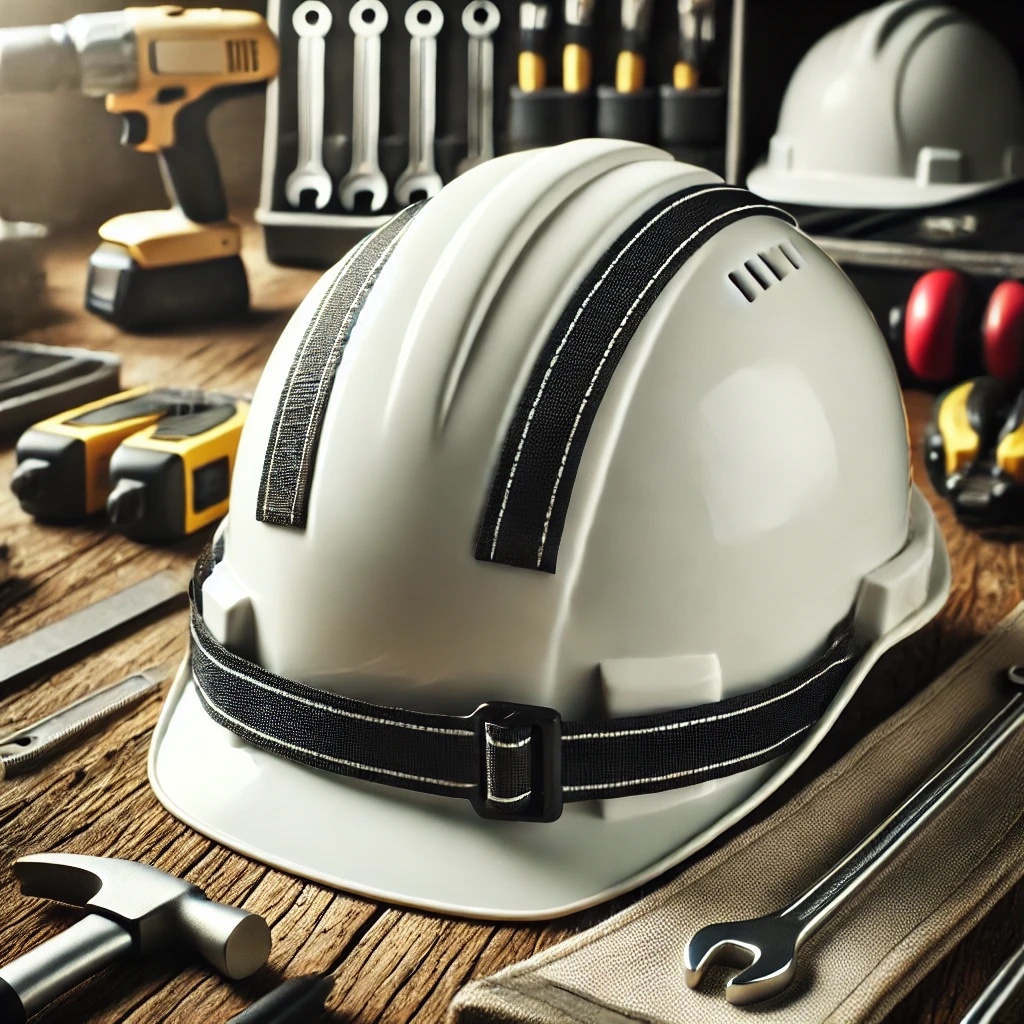
Dielectric Safety Helmets in 2025: Essential Head Protection for Electrical Work
Why Dielectric Safety Helmets Matter in 2025
Dielectric safety helmets have become indispensable in 2025 as industries place greater emphasis on electrical safety standards. These helmets are designed to protect workers from electrical shock when working near live circuits or high-voltage equipment. Unlike standard helmets, dielectric helmets are tested under EN 50365 to ensure they withstand voltage up to 1000V AC and 1500V DC. Models like the 3M H700N have proven to be reliable choices for electricians and power line technicians. Employers are increasingly required to provide dielectric protection for staff working in substations, industrial plants, or construction sites with electrical risks. At Optimum BHP, companies can find helmets that balance electrical insulation with comfort and durability. Awareness of arc flash accidents has driven adoption of dielectric helmets as standard PPE. By 2025, regulatory frameworks in Europe demand stricter compliance in electrical industries. This shift highlights the role of advanced PPE in saving lives. Choosing certified dielectric helmets has moved from an option to a necessity.
Discover related articles you might like:
Snickers Workwear Trousers for EU Professionals – Complete Guide to EN Standards, Safety, and Year-Round Performance
Waterproof Snickers Workwear Trousers for EU Professionals – EN 343 Protection and All-Weather Performance
Personalised Portwest Winter & High-Visibility Workwear – Embroidery and Printing for Maximum Brand Impact in 2025
Clear Safety Glasses for Indoor vs Outdoor Work – How to Choose in 2025
High-Visibility Vests for 2025: Essential Safety Gear for Every Industry
Why Reflective Softshell Jackets Are a Must for Outdoor Work in the EU
⸻
Standards and Certification for Electrical Protection
Compliance with standards is a cornerstone of dielectric helmet use. EN 50365 specifies rigorous testing for electrical insulation, ensuring helmets are safe for low-voltage installations. Helmets must also comply with EN 397 for mechanical impact resistance, making them dual-certified for electrical and physical hazards. The Portwest PS55 is an example of a helmet meeting both standards, offering versatility across different workplaces. Employers appreciate certifications because they reduce liability during audits or accidents. At Optimum BHP, each helmet listing clearly states its compliance and test results. Certifications build worker confidence by demonstrating that helmets have been validated under real-world conditions. Insurance providers also consider certification when assessing risk coverage. Workers in energy, telecom, and industrial maintenance rely on certified helmets to perform safely. By 2025, dual compliance has become the norm rather than the exception. Failing to meet certification standards is no longer acceptable in professional environments.
⸻
The Role of Dielectric Helmets in Electrical Work
Dielectric safety helmets are crucial in daily tasks performed by electricians and utility teams. Whether repairing transformers, inspecting electrical cabinets, or maintaining power lines, workers require helmets that provide both impact resistance and electrical insulation. Helmets such as the Uvex Pheos UX integrate lightweight shells with robust dielectric protection. Workers handling wiring or conducting tests in confined industrial spaces find these helmets indispensable. The risk of accidental contact with live parts is reduced by high-quality insulation materials. At Optimum BHP, employers can choose models adapted for specific electrical applications. Helmets also often feature side slots for accessories like visors or earmuffs without compromising dielectric integrity. This versatility allows teams to adapt gear to each task while staying safe. Electricians report higher confidence knowing their helmets are designed for electrical hazards. As grid infrastructure modernizes, dielectric helmets remain central to worker safety. These helmets serve as shields in environments where the unexpected can be deadly.
⸻
Comfort and Ergonomics for Long Shifts
Electrical work often involves long hours, sometimes in cramped or elevated positions, making helmet comfort a priority. Dielectric helmets in 2025 are designed with padded sweatbands, adjustable harnesses, and lightweight shells to minimize fatigue. The 3M H700N provides an ergonomic balance of durability and comfort, ensuring workers can focus on precision tasks. Helmets with dial-fit adjustment systems are especially valued for secure yet comfortable wear. Ventilated designs allow air circulation without compromising insulation properties. At Optimum BHP, customers can find helmets tailored for all-day use in electrical maintenance. Workers wearing comfortable helmets report fewer headaches and distractions, leading to fewer mistakes on the job. Comfort also directly impacts PPE compliance, as uncomfortable gear is more likely to be removed. Ergonomics in dielectric helmets are now seen as just as critical as certification. When safety and comfort combine, productivity increases. In 2025, helmets are not only protective gear but also tools for performance.
⸻
Durability and Long-Term Value
Dielectric helmets must be tough enough to withstand mechanical stress, weather exposure, and repeated use in industrial conditions. The Portwest PS55 Endurance exemplifies durability, with high-grade ABS material designed for impact resistance. Long-term value comes from helmets that maintain their insulating properties over years of use. Replaceable components like sweatbands and chin straps extend product life while maintaining hygiene. At Optimum BHP, many dielectric helmets are designed with modular parts for easy servicing. Durable helmets reduce replacement costs, delivering better ROI for employers. Workers also gain confidence knowing their gear won’t fail under pressure. UV resistance is another important factor, as outdoor work exposes helmets to sunlight for extended periods. Helmets with reinforced shells prevent degradation from chemicals and oils commonly found on job sites. Durability is now considered part of sustainability, as longer-lasting PPE reduces waste. In 2025, dielectric helmets represent both financial and environmental responsibility.
⸻
Integration with Electrical PPE Systems
Dielectric helmets are most effective when integrated with other electrical PPE such as insulated gloves, visors, and harnesses. Models like the Uvex Pheos UX support add-ons without compromising electrical protection. Workers can attach face shields for arc flash protection or earmuffs for high-noise areas. This modularity allows helmets to adapt to diverse environments, from substations to manufacturing plants. At Optimum BHP, safety officers can build full PPE sets around dielectric helmets. Integrated systems reduce the risk of gaps in protection, ensuring workers are safe from multiple hazards. Helmets designed for compatibility simplify training and improve compliance rates. Workers appreciate having a single piece of headgear that can be customized for each task. Integration also streamlines procurement, as companies can standardize PPE across departments. By 2025, the modular design philosophy is a hallmark of modern dielectric helmets. Comprehensive safety starts with head protection and extends to the entire body. Helmets are now the cornerstone of electrical PPE systems.
⸻
Weather Resistance for Outdoor Electrical Work
Dielectric helmets are often used outdoors, where weather conditions pose additional risks. Helmets like the Portwest PS55 are designed with UV-resistant shells to prevent degradation under prolonged sunlight exposure. Rain channels and smooth surfaces help keep water away from electrical components. Workers in power distribution and field maintenance require helmets that can withstand heat, cold, and humidity without losing their insulating properties. At Optimum BHP, dielectric helmets are tested for environmental durability to ensure year-round protection. Seasonal adaptability is important as crews often work in both extreme summer heat and winter storms. Weather-resistant helmets extend service life and reduce the need for frequent replacements. They also improve compliance since workers are less tempted to remove uncomfortable gear during harsh weather. Outdoor-ready helmets now include anti-fog coatings on visors and breathable sweatbands for comfort. By 2025, weather resistance has become a non-negotiable feature in dielectric helmets. Employers now prioritize gear that delivers consistent safety in all environments.
⸻
Cost-Effectiveness and Long-Term ROI
Investing in dielectric helmets is not just about compliance—it’s about financial sustainability. High-quality helmets such as the 3M H700N may cost more initially but offer superior durability and fewer replacements over time. Employers save money by reducing accident-related costs and insurance claims. At Optimum BHP, companies can purchase dielectric helmets in bulk for cost efficiency. Helmets with modular parts allow for affordable maintenance, extending product lifespan. Durable helmets also reduce downtime by preventing gear failures in critical tasks. Workers provided with high-quality PPE are more motivated and compliant, further lowering risk. Cost-effectiveness is measured not only in savings but also in worker productivity and morale. By equipping teams with trusted brands like Portwest, Uvex, and 3M, companies ensure maximum ROI. In 2025, budget strategies now recognize PPE as an investment, not an expense. Dielectric helmets demonstrate how safety and finance go hand in hand. Employers gain both protection and profitability from smart choices.
⸻
Training and Proper Use in Electrical Environments
Dielectric helmets only perform effectively when workers understand their proper use and limitations. Training programs emphasize regular inspection for cracks, wear, and chemical damage. Models like the Uvex Pheos UX include manuals outlining best practices for care and maintenance. Employers integrate helmet training into onboarding sessions for electricians and utility workers. At Optimum BHP, companies can access resources and case studies highlighting the importance of correct PPE use. Workers are taught to never drill holes or apply stickers that compromise dielectric integrity. Chin straps and harness adjustments are demonstrated to ensure secure fit without reducing insulation. Training also covers environmental factors like avoiding prolonged storage in direct sunlight. By 2025, proper PPE education is seen as a critical part of workplace safety culture. Helmets are inspected daily before shifts to maintain compliance. Knowledge combined with certified gear ensures the highest level of protection. Without training, even the best helmets cannot guarantee safety.
⸻
Industry Applications for Dielectric Helmets
Dielectric helmets are used across multiple industries beyond traditional electrical work. Utility crews, telecom workers, and renewable energy technicians all rely on helmets with insulation properties. The Portwest PS55 is widely used in solar and wind energy projects where electrical risks are common. Workers in industrial plants handling machinery with exposed wiring also benefit from dielectric helmets. At Optimum BHP, employers can select models tailored to diverse work environments. In logistics, warehouses with automated electrical systems also require insulated head protection. Large infrastructure projects often mandate dielectric helmets for all contractors on-site. This widespread use reflects growing recognition of electrical risks in unexpected places. Industry-specific models help companies comply with sector regulations while meeting worker needs. Dielectric helmets are now part of the safety culture across Europe. They symbolize proactive risk management and professional standards. By 2025, their adoption has expanded far beyond traditional energy industries.
⸻
Integration with Modern Safety Programs
Dielectric helmets play a central role in holistic safety programs that combine multiple layers of PPE. Helmets are often paired with insulated gloves, arc flash clothing, and fall protection systems. The 3M H700N works seamlessly with visors and earmuffs for comprehensive protection. Employers value helmets that integrate easily with accessories, reducing the complexity of managing PPE. At Optimum BHP, companies can design full safety kits centered around dielectric helmets. Modern safety programs also track PPE use with digital inspections and compliance reports. Dielectric helmets contribute to these systems by being durable and easy to inspect. Workers benefit from consistent protection across tasks without switching gear. Integration reduces training complexity by standardizing equipment. In 2025, safety programs demand efficiency, and dielectric helmets fit perfectly into this model. They support both compliance and worker confidence in high-risk industries. Helmets are no longer isolated gear but part of a unified safety approach. This evolution ensures better adoption and fewer accidents.
⸻
Conclusion: The Future of Dielectric Helmets in 2025
In 2025, dielectric safety helmets are a cornerstone of electrical protection strategies worldwide. Certified models like the 3M H700N, Portwest PS55, and Uvex Pheos UX prove that insulation and comfort can coexist. Employers investing in dielectric helmets gain long-term ROI, reduced liability, and improved compliance with EU regulations. Workers benefit from protection against electrical shock, falling objects, and environmental stress. Training and awareness programs further enhance effectiveness, making helmets a true safety partner. At Optimum BHP, businesses can source dielectric helmets tailored to their sector. From energy to logistics, these helmets have become essential in maintaining operational safety. Their durability also aligns with sustainability by reducing waste from frequent replacements. The future points toward smarter, modular, and even sensor-equipped helmets. For now, dielectric helmets remain one of the most effective tools in protecting lives. In every electrical environment, they are not just equipment—they are lifesaving shields.