
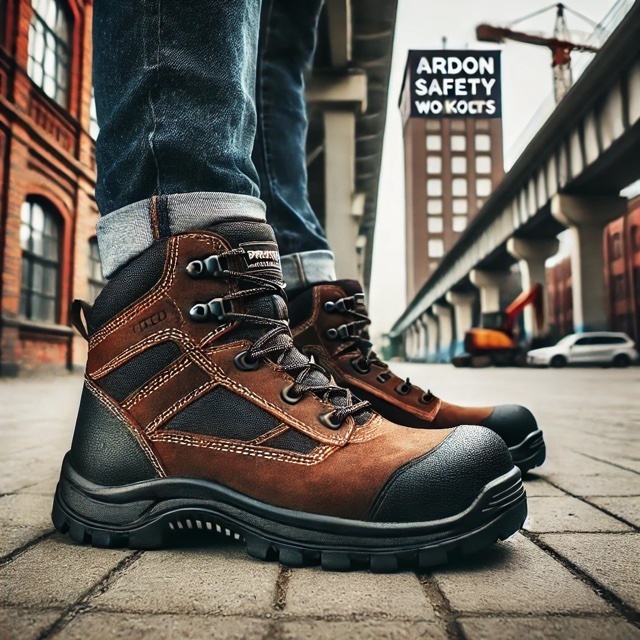
Composite Midsole Safety Shoes: Lightweight Puncture Resistance for Modern Workers in 2025
In 2025, professionals no longer have to choose between flexibility and protection — composite midsole safety shoes combine both. These advanced models replace traditional steel plates with lightweight, non-metallic materials that protect against sharp objects while improving comfort and agility. Ideal for electricians, logistics teams, and general industry, composite midsoles provide full EN ISO 20345 S3 compliance with superior thermal insulation and anti-fatigue design. At Optimum BHP, brands like Base Protection, Uvex, and CXS Canis offer a wide range of composite footwear designed for modern, active work environments.
There’s more to read on our blog:
Insulated PPE Sets for Logistics and Warehouse Teams – Comfort, Movement, and Efficiency
Nitrile-Coated Winter Gloves Compared: COVENT ICE vs COVENT SNOW vs COVENT WINTER Yellow
Insulated and Reflective PPE for Airport Ground Staff – High Visibility in Low Temperatures
S3 Metal-Free Safety Boots for Airport and Security Personnel: Protection Without Compromise in 2025
Procera Winter Workwear for Municipal Waste Collection Teams: Safety, Visibility and Comfort During Cold Mornings
Winter Outerwear Compared: TOPAZ Softshell Bibpants vs BRIXTON SNOW Parka vs HI-VI BOMBER 2w1 Orange (Polstar)
⸻
The Technology Behind Composite Midsoles
Composite midsoles are made from ultra-strong fibers such as Kevlar, fiberglass, or multi-layer aramid fabrics. These materials provide puncture resistance equivalent to steel but are significantly lighter and non-conductive. Base Protection uses advanced textile composites that resist penetration from nails and glass shards up to 1100N of force. Uvex integrates hybrid soles that combine energy absorption with flexibility, making movement smoother and safer. Composite inserts also adapt to foot shape, improving overall comfort and reducing fatigue during long shifts — a clear advantage for professionals who move constantly.
⸻
Why Non-Metallic Footwear Matters
Traditional steel midsoles can conduct electricity, cold, or heat — limiting their use in some environments. Composite midsoles solve this problem by offering non-metallic, thermally neutral, and non-conductive protection. Electricians, maintenance technicians, and assembly workers benefit from models like CXS Canis or Ardon, which meet both ESD and anti-static requirements. Base Protection shoes provide flexibility and reduced weight, allowing easier movement across various surfaces. For industries focused on mobility and comfort, non-metallic composite midsoles are now the smart alternative to steel.
⸻
Lightweight Design for All-Day Comfort
Composite midsoles contribute to a significant weight reduction — sometimes up to 25% compared to steel. Uvex and Base Protection models integrate shock-absorbing PU or EVA soles that enhance balance and posture. Breathable linings and perforated insoles improve air circulation, keeping feet dry even during intense work. For warehouse staff and logistics workers, flexible designs from Ardon or CXS Canis allow effortless walking, climbing, and bending. Lightweight shoes improve productivity, reduce stress on joints, and enhance overall workplace well-being.
⸻
Durability and Resistance in Harsh Environments
Composite midsoles are not only lighter — they’re also corrosion-proof, flexible, and resilient. Delta Plus and Procera offer composite S3 models suitable for wet, oily, or uneven terrain. The materials maintain their shape after impact and don’t bend or dent like metal. Portwest combines composite puncture resistance with waterproof membranes, ideal for outdoor work. These boots withstand rough handling, daily pressure, and diverse environments without losing performance. As a result, composite footwear has become the go-to choice for professionals seeking both long-term durability and comfort.
⸻
Sustainability and Future-Ready PPE
Composite technology aligns perfectly with Europe’s sustainability goals. Cofra and Lemaitre use recycled textile fibers in their composite inserts, reducing carbon footprint without compromising protection. Base Protection is pioneering biodegradable insoles and recyclable PU soles, making safety shoes more environmentally responsible. At Optimum BHP, modern PPE means balancing innovation, safety, and eco-awareness — ensuring workers are protected today and the planet is preserved for tomorrow.
⸻
FAQ – Composite Midsole Safety Shoes
1. What is a composite midsole?
A non-metallic layer made of fibers like Kevlar or fiberglass that prevents punctures.
2. Are composite midsoles as strong as steel ones?
Yes — they meet the same EN ISO 20345 standards for puncture resistance.
3. Do composite shoes conduct electricity?
No, they’re non-conductive and safe for electricians and ESD environments.
4. Which brands specialize in composite safety shoes?
Base Protection, Uvex, and CXS Canis.
5. Are composite midsoles lighter than steel?
Yes — up to 25% lighter, improving mobility and comfort.
6. Are composite shoes waterproof?
Many models, like Portwest or Procera, include waterproof membranes.
7. Do composite midsoles affect shoe flexibility?
No — they’re more flexible than steel, ideal for long shifts or active work.
8. Can composite shoes be used in cold weather?
Yes — they don’t conduct temperature, keeping feet warmer in winter.
9. Are these shoes suitable for electricians?
Absolutely — non-conductive and ESD-certified models are perfect for electrical work.
10. How long do composite midsole shoes last?
12–24 months, depending on wear conditions and maintenance.
11. Are composite shoes eco-friendly?
Yes — Cofra and Base Protection use sustainable materials.
12. Are they as puncture-resistant as steel midsoles?
Yes — they block sharp objects with equal efficiency while staying lightweight.
13. Can I use composite shoes for outdoor work?
Yes, models from Delta Plus and Portwest are perfect for outdoor environments.
14. Do composite midsoles wear out over time?
Minimal wear occurs; inspect regularly and replace if flexibility or grip declines.
15. Where can I buy certified composite midsole footwear?
At Optimum BHP — offering the EU’s best brands for lightweight, puncture-resistant safety shoes.
