
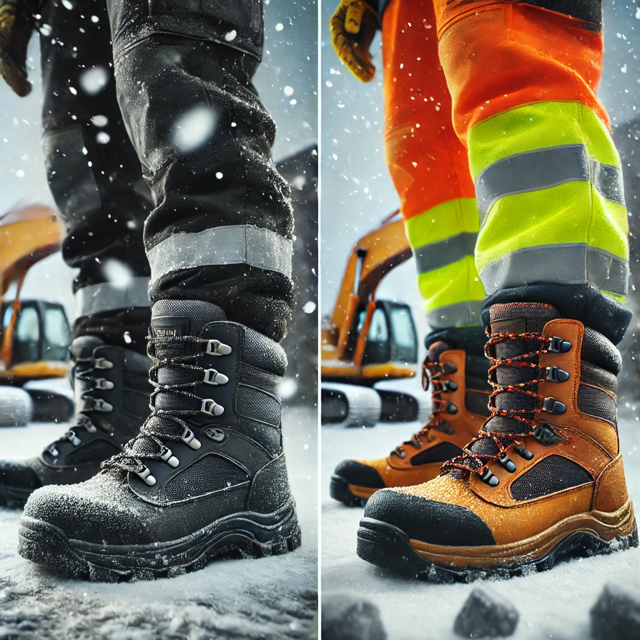
Choosing the Right S3 Safety Shoes: Compliance, Comfort, and Durability for Optimal Workplace Protection
Compliance with Industry Standards and Certifications
Selecting the right S3 safety shoes isn’t just about comfort or durability—it’s also about compliance with industry safety standards. Reputable brands available at Optimum BHP ensure that their footwear meets or exceeds requirements such as EN ISO 20345:2011, which is crucial for high-risk environments. These certifications guarantee that S3 safety shoes offer protection against punctures, water absorption, and impacts. When browsing options like the Neo Tools S3 safety shoes, professionals gain the confidence that their footwear meets the rigorous testing set by the European Union. Clients from logistics, construction, and warehousing sectors across the EU can rest assured that certified footwear reduces liability and improves workplace safety. Additionally, proper certification simplifies audits and improves insurance compliance. Optimum BHP provides a wide selection of fully certified safety footwear, including various S3-rated options. The platform also offers detailed product descriptions that include compliance labels and test results. Shoppers can explore additional certified S3 boots and learn from the linked FAQ. For safety managers, certified gear is not optional—it’s an operational necessity.
Continue reading on our blog:
Comparison of Cardiff Insulated Hi-Vis Work Trousers CXS Canis vs. Proman Insulated Trousers Procera vs. Neo Tools 81-760 Winter Pants
Best Functional Winter Work Jackets 2025: Portwest S562 vs. Snickers 1149 vs. Ardon Cool Trend Softshell
Polstar G-Drive Winter, Delta Plus FBF50 & Reis RLCS Winter – Comparing Full Leather and Reinforced Insulated Gloves for Winter 2025
Female Adaptability, Bomber Style, and Durability: CXS Canis Irvine Women, Portwest C468, and Reis Pro-Fedder Compared
Top High-Visibility Winter Workwear for 2025: Stay Warm and Visible in Extreme Conditions
How to Choose the Best Winter Work Jacket with Reflective Features – Guide for 2025
Comfort and Anti-Slip Performance
While protection is critical, comfort is equally important when choosing the right pair of S3 safety shoes. Long working hours on hard surfaces can lead to fatigue and injury without proper foot support. That’s why brands like Urgent and Portwest invest in ergonomic design and cushioning technology. Many models feature breathable linings, padded collars, and shock-absorbing soles, making them ideal for intensive daily use. Anti-slip outsoles, typically SRC-rated, provide excellent traction on slippery or oily floors. This is especially important in warehouses and kitchens where slips are common hazards. You can find a variety of slip-resistant S3 safety shoes in the Optimum BHP catalogue. These include models with advanced sole patterns, dual-density PU, or rubber compounds engineered for grip. Even after hours of use, these shoes maintain consistent performance in both indoor and outdoor settings. Proper anti-slip technology significantly reduces the number of workplace accidents, helping employers maintain a safer environment.
Durability in Demanding Environments
S3 safety shoes are specifically engineered to endure harsh and variable working conditions. Whether it’s the muddy terrain of construction sites or the constant motion on factory floors, durability is essential. Materials like full-grain leather, reinforced stitching, and composite toe caps contribute to the longevity of these shoes. Models like Ardon S3 footwear provide reliable wear even in abrasive or corrosive settings. Moreover, many S3-rated shoes feature penetration-resistant midsoles, water-repellent uppers, and chemical-resistant soles. This construction allows workers to focus on their tasks without worrying about worn-out footwear. Durability also supports cost-efficiency by reducing the need for frequent replacements. Customers at Optimum BHP can explore rugged and field-tested options from trusted brands. These shoes are frequently chosen by clients in heavy industry, waste management, and road maintenance. The added resistance to mechanical stress also ensures the shoes maintain their protective features over time.
Water Resistance and Breathability Balance
One of the defining features of S3 safety shoes is their ability to resist water penetration. However, breathability must also be maintained to prevent overheating and discomfort. Many modern models incorporate waterproof membranes that allow vapor to escape while blocking external moisture. Delta Plus S3 safety shoes are an excellent example of this balanced design. Workers operating outdoors in wet conditions particularly benefit from such innovations. Breathable padding, moisture-wicking linings, and perforated upper sections further enhance comfort during long shifts. S3-rated footwear from Optimum BHP combines these features to meet user expectations across climates. Cold chain logistics, agriculture, and utilities sectors often rely on this dual-function performance. Wearing shoes that are both waterproof and breathable minimizes foot odour, reduces blistering, and enhances daily comfort. The right pair adapts to seasonal variations, keeping feet dry in both winter and summer work environments.
Toe and Sole Protection Features
A major benefit of S3 safety shoes lies in the comprehensive protection offered by their toe and sole designs. Steel or composite toe caps defend against falling objects and heavy compression. Penetration-resistant midsoles, often made from Kevlar or steel, shield against sharp hazards. This is vital for industries such as construction, where nail punctures and impact injuries are frequent. Popular models at Optimum BHP include those from Reis and Leber&Hollman. In addition to standard features, many S3 shoes also include scuff-resistant toe bumpers and reinforced heel areas. This enhances durability and safety in fast-paced work environments. Enhanced traction, energy-absorbing heels, and arch support ensure the footwear offers holistic protection. These design elements are not just functional but critical in accident prevention and compliance.
Maintenance, Storage, and Replacement Guidelines
To ensure long-term protection and performance, proper maintenance of S3 safety shoes is essential. Regular cleaning prevents material degradation caused by dirt, chemicals, and moisture. Users should avoid machine washing and instead use soft brushes and pH-neutral soaps. Footwear should be air-dried away from direct heat to maintain structural integrity. Storage in a cool, dry place helps prevent mold and retains shape. Shoes should be inspected frequently for wear and tear, especially on the sole, toe cap, and insole. Damaged footwear can lead to reduced protection and increased injury risk. It’s recommended to replace safety shoes every 6–12 months depending on usage and working environment. Optimum BHP offers guidance in its safety footwear FAQ section for proper care and maintenance. By following basic maintenance routines, workers can ensure maximum longevity and protection from their safety shoes.
Final Thoughts and Summary: Choosing the Right S3 Safety Shoes: Compliance, Comfort, and Durability for Optimal Workplace Protection
Choosing the right S3 safety shoes involves more than checking for steel toes or waterproofing—it’s about selecting certified, ergonomic, and durable footwear tailored to your work environment. At Optimum BHP, professionals can access a wide selection of S3-rated models from trusted brands like Urgent, Neo Tools, and Ardon. Proper S3 footwear provides reliable protection from water, impact, and punctures while maintaining comfort and slip resistance. Frequent linkages to essential categories like safety shoes and the FAQ ensure users stay informed. The ability to compare certified products through Optimum BHP’s user-friendly interface further simplifies procurement. Each pair of S3 shoes is an investment in worker safety, long-term health, and operational efficiency. Whether you’re purchasing for a construction crew or an industrial team, compliance with standards and proper fit should guide your choice. Explore the full range of options on the Optimum BHP blog and consult the FAQ for deeper insights. Remember, safety begins from the ground up—and it starts with the right footwear.