
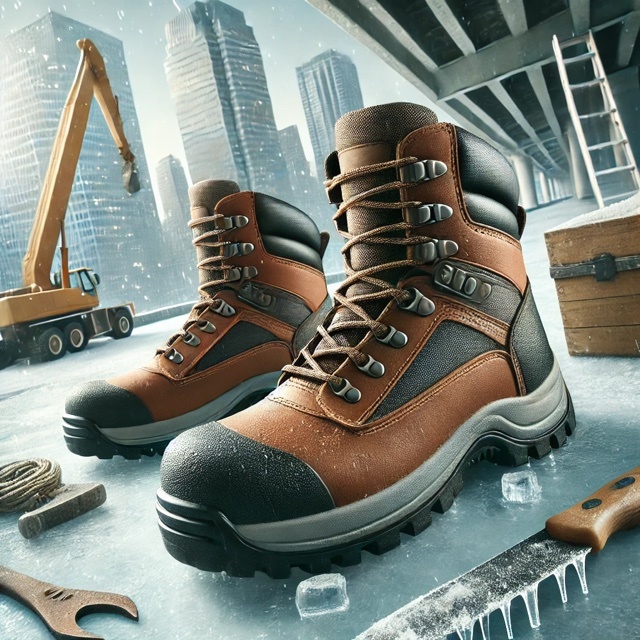
Best Safety Footwear for Construction Workers in 2025
When it comes to working safely on construction sites, the right safety footwear is essential. Choosing durable and ergonomic models from trusted brands like Ardon, CXS Canis, or Procera ensures full protection, even in demanding conditions. Workers exposed to heavy loads, wet surfaces, or extreme temperatures benefit from shoes that meet EN ISO 20345 standards and feature reinforced toe caps, anti-slip soles, and waterproof membranes. For those working in cold environments, insulated models from Portwest or Urgent keep feet warm and dry, while breathable designs from Base Protection guarantee comfort throughout the day. Construction professionals should also consider S3-class footwear that combines protection, anti-perforation midsoles, and oil resistance. To explore all available options and choose the best fit, visit the Optimum BHP store, where expert advisors help match footwear to the type of work performed. Learn more on the blog and check the detailed guides in the FAQ section.
Stay informed with more blog updates:
Insulated Work Jackets from PPE Warehouse – Maximum Warmth and Mobility for Harsh Winter Environments
Sara Workwear Bosman vs. Posejdon: Which Winter Set Works Better on a Ship Deck?
REIS Winter Gloves for Forestry, Wood Cutting, Saw Operations and Timber Handling in Sub-Zero Conditions: RLWARMER vs. SANDOIL WIN vs. RFROZEN DRAGON
Urgent Insulated Workwear for Outdoor and Cold Storage Logistics Teams: Thermal Efficiency and Mobility in Subzero Work Environments
Polstar S3 Cold-Weather Boots Reviewed: BEARFIELD R02, R02 LICO, and W02 Models
Premium Insulated Workwear for Railway Station & Ground Staff – High-Performance Winter Protection for Passenger Service Teams
⸻
Key Features to Look for in 2025 Construction Footwear
Modern construction footwear goes beyond basic protection. The latest generation of work shoes offers anti-fatigue soles, lightweight composite toes, and advanced shock absorption technologies. Brands like Delta Plus and Uvex invest in innovative materials that increase flexibility without compromising durability. Breathability remains a top trend, with microfiber uppers and moisture-wicking linings keeping feet dry during long shifts. Construction environments often involve unpredictable weather, so waterproof and cold-resistant materials are essential. For indoor worksites, S1P models from Ogrifox or Art.Mas are lightweight and ideal for carpentry or installation work. Those working outdoors can rely on S3 or S5 boots from Cofra or Lemaitre for waterproof performance and durability.
⸻
Why Proper Footwear Improves Safety and Productivity
Wearing high-quality safety shoes reduces the risk of injuries, sprains, and fatigue, especially during extended shifts. The ergonomic design of modern models supports the natural arch of the foot, ensuring stability on uneven terrain. Moreover, brands like VM Footwear and Polstar focus on long-lasting comfort and resistance to abrasion. Workers notice a significant boost in concentration and mobility when their feet are properly protected. The combination of slip resistance, toe protection, and breathability directly translates into higher productivity and fewer accidents. Selecting certified models from Optimum BHP guarantees compliance with European standards, ensuring safety in every situation.
⸻
FAQ – Safety Footwear for Construction Workers
1. What is the difference between S1P and S3 safety shoes?
S1P shoes are breathable and ideal for indoor work, while S3 models provide waterproofing, anti-penetration midsoles, and better insulation for outdoor use. See S3 boots available at Optimum BHP.
2. Which brands make the best safety shoes for construction?
Top-rated brands include Ardon, Procera, Portwest, and Base Protection — all trusted for durability and comfort.
3. Are composite toe caps as safe as steel ones?
Yes, composite toes offer similar protection but are lighter and non-conductive, making them ideal for electricians and indoor workers.
4. How to choose the correct shoe size for work boots?
Always measure your feet after a full day of work and check brand-specific size charts on Optimum BHP before ordering.
5. Do safety shoes need to be replaced regularly?
Typically every 12–18 months, or sooner if the soles wear down or the toe cap shows visible damage. Regularly inspect your work footwear for safety assurance.
⸻
