
Are Winter Softshell Work Jackets Warm Enough for Outdoor Jobs? A Complete Guide from Optimum BHP
Introduction – Why Softshell Jackets for Winter Work?
When the temperature drops, choosing the right winter workwear becomes crucial for safety and comfort. Softshell jackets have become increasingly popular for outdoor winter jobs, but are they warm enough for real-life conditions like construction, road maintenance, or logistics? In this comprehensive guide, we’ll explore the insulation capabilities, pros and cons, and top-rated models of winter softshell jackets available at Safety Store Optimum BHP.
We’ll also provide links to our Workwear Blog and Winter FAQ to help you make the right choice.
See what else we’ve written:
Choosing the Right Insulated and Waterproof Winter Work Pants – Safety Store Optimum BHP Guide
Where to Buy High-Visibility Winter Workwear for Road Construction and Maintenance Workers
Where to Buy Durable and Comfortable Winter Work Boots for Outdoor Jobs
Where to Buy Complete Winter Workwear Sets for Outdoor Workers: Your Trusted Safety Store
Choosing Certified and Comfortable Winter Work Hats and Caps – Safety Store Optimum BHP Guide
How to Choose Durable and Warm Winter Work Shirts – Safety Store Optimum BHP Guide
⸻
What Is a Softshell Jacket and How Does It Work in Winter?
Softshell jackets are typically made from flexible, breathable fabrics that offer wind and water resistance. They are designed for active workers who need mobility and light insulation. While softshells aren’t as thick as parkas, many winter models include microfleece lining or thermal layers, making them warm enough for most cold-weather tasks — especially when layered over thermal workwear.
At Optimum BHP, you’ll find a wide selection of insulated softshell jackets that balance warmth and comfort.
⸻
When Are Winter Softshell Jackets the Right Choice?
Softshell work jackets are ideal for:
• Mild to moderately cold environments (above -5°C)
• Physical jobs requiring high mobility (e.g., electricians, installers, warehouse workers)
• Layered workwear systems with thermals underneath
• Work environments where wind protection and water resistance are more important than heavy insulation
They are not recommended as the sole outer layer in extreme sub-zero temperatures unless paired with an additional insulating layer.
⸻
Top Softshell Winter Jackets at Optimum BHP
If you’re looking for reliable and warm insulated jackets, here are some of the best softshell options in our store:
• URGENT 980 High-Visibility Softshell Jacket – ideal for road work and night shifts.
• Ireland Leber&Hollman Softshell – stylish, warm, and well-suited for service technicians.
• Seven Kings Rival Softshell by Polstar – a versatile choice with excellent quality-price ratio.
• CXS Bedford Winter Hi-Vis – durable, bright, and warm.
• Art.Mas Classwork Win Softshell – basic protection for mild winter use.
Explore our full range of insulated jackets for winter in the Optimum BHP catalogue.
⸻
Pros and Cons of Softshell Winter Jackets
Pros:
• Lightweight and comfortable
• Excellent breathability
• Water- and wind-resistant
• Great for layering
• Ideal for high-mobility jobs
Cons:
• Less warm than parkas or thick insulated coats
• Not suitable for harsh sub-zero weather alone
• Some models lack hoods or extended back panels
Choosing the right jacket for winter work depends on your tasks, climate, and physical activity level.
⸻
Do Softshell Jackets Meet EN Standards?
Yes, many of our softshell models are certified under EN ISO 13688 (general protective clothing), and high-visibility models comply with EN ISO 20471. You can check product descriptions or contact our team to ensure compliance with your work environment’s safety standards.
We also recommend reading our High-Visibility Workwear FAQ for more details.
Reflective Insulated Jackets for Outdoor Visibility and Safety
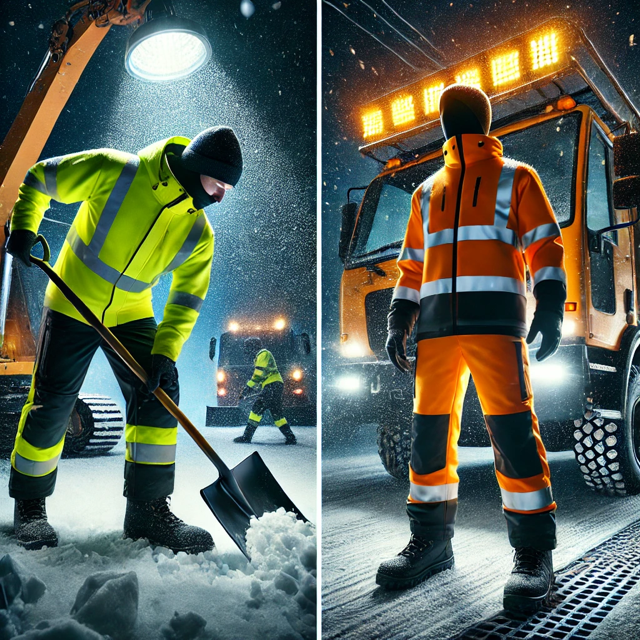
For workers exposed to traffic or operating machinery in low-light conditions, reflective insulated jackets are essential. These jackets combine thermal protection with high-visibility features, making them ideal for outdoor winter jobs. Many insulated softshells include reflective stripes and fluorescent materials to comply with EN ISO 20471 standards. At Optimum BHP, you’ll find hi-vis softshells like the Procera Sniper Jacket and the Urgent 980 Reflective Softshell – both of which ensure you stay seen and warm on the job.
⸻
Layering Tips: How to Maximize Warmth with Softshells
While softshells offer moderate insulation, combining them with thermal base layers significantly increases their effectiveness for winter use. Workers can wear a thermal shirt or fleece beneath their softshell, allowing for both warmth and mobility. This approach is especially beneficial for tasks that involve periods of movement followed by stationary work – such as surveying, inspections, or equipment operation. For example, pairing the CXS Bedford Hi-Vis Jacket with a fleece pullover or thermal hoodie creates a balanced system for cold but not extreme temperatures.
⸻
Choosing Between Softshell and Parka Jackets
Understanding the difference between softshell jackets and parkas is key to choosing the right winter gear. Softshells prioritize flexibility, breathability, and moderate warmth, whereas parkas focus on heavy insulation and protection from wind, snow, and prolonged exposure to sub-zero temperatures. For example, the Portwest DX460 Winter Jacket is a good choice for harsh conditions, while the Ireland Leber&Hollman Softshell is better for mobile professionals who need lighter gear.
⸻
Top Brands Offering Insulated Jackets for Outdoor Work in Winter
Optimum BHP carries leading brands known for producing high-quality insulated jackets for outdoor work in winter, including Portwest, Procera, Sara Workwear, Polstar, and CXS Canis. Each manufacturer brings something unique – Portwest focuses on certification and durability, while Procera offers affordable, stylish, and highly functional softshells like the Lumina and Vigor. When choosing your gear, consider not only warmth but also brand reliability and field-tested performance.
⸻
Work Environments Best Suited for Softshell Jackets
Softshell jackets excel in fast-paced environments where agility, weather resistance, and breathability are essential. Industries such as logistics, urban maintenance, electrical services, and cold indoor operations benefit greatly from these jackets. For example, a driver making frequent stops will stay warmer in a softshell like the Polstar Rival Jacket than in a bulky parka. Reflective insulated jackets also improve visibility in distribution centers and industrial yards, where moving vehicles are a constant risk.
⸻
Frequently Asked Questions About Winter Softshells
Are softshell jackets waterproof? Most are water-resistant, not fully waterproof — which makes them perfect for light snow or drizzle but not extended rain exposure. Do they meet PPE standards? Many do, especially reflective models like the Classwork Win Art.Mas. How long do they last? With proper care, a quality softshell can last multiple seasons. For more answers, explore our Winter Workwear FAQand our Workwear Blog.
⸻
Final Recommendations: Are Winter Softshell Work Jackets Warm Enough for Outdoor Jobs? A Complete Guide from Optimum BHP
Winter softshell jackets are perfect for:
• Technicians working indoors and outdoors
• Delivery drivers and warehouse staff
• Site supervisors needing flexible movement
• Construction workers in early winter or milder zones
For harsher winter zones, we recommend browsing our heavily insulated parkas or multi-layered systems such as Sara Workwear’s Comfort Winter Parka.
