
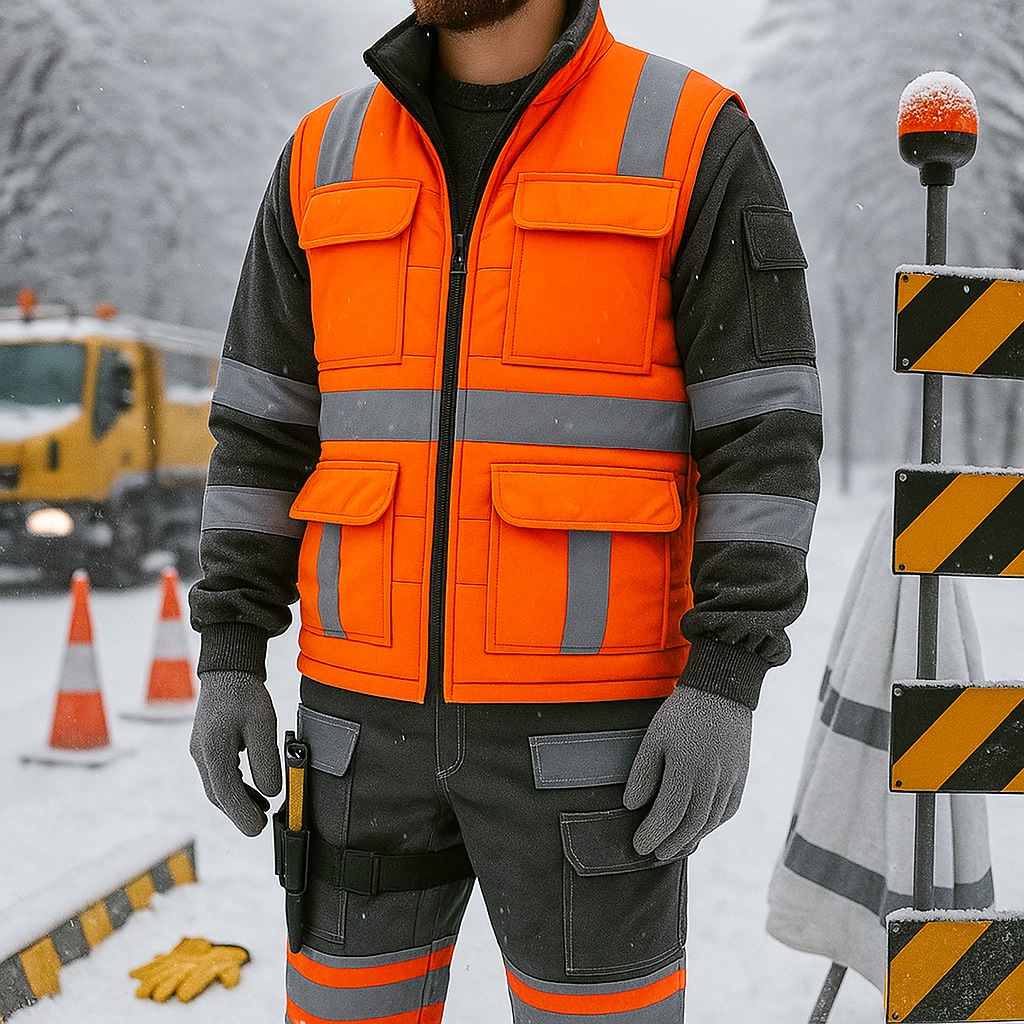
Are Thermal Hi-Vis Work Jackets Enough in 2025? When to Add Layers, Liners, and Extra Gear
When working outdoors during the colder months of 2025, many professionals rely on thermal high-visibility workwear to stay safe and warm. But is a single insulated hi-vis jacket enough? For jobs exposed to rain, strong wind, or freezing conditions, layering becomes essential. In this guide, we explore whether thermal workwear alone is sufficient or if workers should consider additional waterproof clothing, base layers, or hi-vis vests. At Optimum BHP, you’ll find a wide range of workwear, accessories, and PPE solutions. For further insight, explore our FAQ about high visibility workwear and browse the Optimum BHP blog for expert recommendations. Choosing the right combination is key to ensuring both compliance and comfort throughout autumn and winter 2025.
Take a look at more of our content:
Winter Snickers Workwear Trousers – Which Model Fits Your EU Job Site in 2025
How to Choose the Right Safety Harness for Winter Work at Heights
Water-Resistant Softshell Work Jackets for Wet Autumn Days: Stay Dry Without Bulk in 2025
How Safe Are Composite-Toe Winter Work Boots? A 2025 EU Guide to Cold-Weather Protection
Why Invest in Flame-Resistant Winter Workwear for Outdoor Jobs in 2025?
____________
Understanding the Limits of a Thermal Hi-Vis Jacket
A thermal hi-vis jacket is a vital starting point for outdoor workers, especially in low-light and cold environments. These jackets typically meet EN ISO 20471 visibility standards and offer decent insulation. However, they may not always protect against heavy rainfall, wind penetration, or moisture buildup inside. This is particularly true for long shifts or high-activity roles. While models like the Portwest S766 5-in-1 Jacket offer multi-functionality, others may need complementary layers. Workers should assess whether their jacket includes waterproof membranes, wind-blocking features, or breathability panels. Without these, the thermal value may be compromised, especially during prolonged exposure to harsh conditions. Knowing the limits of your main garment helps determine what else you need to stay protected.
When to Add Hi-Vis Vests and Midlayers
Hi-vis vests, particularly thermal or fleece-lined ones, are excellent for enhancing insulation without sacrificing visibility. Adding a vest over a thermal jacket helps trap core body heat and increase reflectivity on job sites with changing light conditions. Products such as the Portwest S469 Insulated Vest or Sara Workwear King Winter combine warmth and certified visibility. Midlayers like fleece or softshells can also be worn under jackets to provide extra warmth and moisture-wicking. When paired correctly, these items offer greater flexibility — allowing workers to adapt their gear as temperatures drop throughout the day. In fast-changing autumn weather, layering is a smart and cost-effective strategy. Importantly, all additional garments should be compatible with the visibility standards of the outer layer. Combining insulation with compliance is the goal.
Thermal Base Layers for Moisture and Cold Management
While outerwear is crucial, thermal base layers are equally important in cold weather setups. Long-sleeve tops and leggings made from moisture-wicking materials help regulate body temperature and prevent sweat from freezing against the skin. These layers are ideal for high-exertion tasks like construction, logistics, and roadside maintenance. Materials such as merino wool blends or technical synthetics provide breathability while retaining warmth. Pairing a hi-vis jacket with a proper base layer ensures that insulation starts closest to the body. Many workers overlook this step, relying solely on thick jackets, which can lead to discomfort. A well-chosen base layer reduces the need for bulky outerwear and improves overall movement and comfort. It’s a foundational component of effective winter PPE.
Waterproof and Windproof Add-Ons for Harsh Conditions
Even if a thermal jacket feels warm enough, without waterproofing or wind resistance, its effectiveness can quickly diminish. Autumn and early winter often bring unpredictable storms, and getting wet compromises insulation. That’s where waterproof overlays or windbreakers come in — often essential in utility work, rail, or infrastructure repair. Products like the Portwest DX460 Waterproof Insulated Jacket offer excellent protection. Alternatively, a separate rain shell can be worn over thermal clothing to ensure both layers remain dry. In wind-exposed areas, workers may opt for windproof trousers or gaiters as well. The key is to maintain a dry microclimate around the body — wet layers not only cause discomfort but increase the risk of cold stress. Selecting waterproof gear that’s compatible with your hi-vis setup is vital for maintaining safety compliance.
Matching Accessories: Gloves, Hats, and Thermal Socks
Layering isn’t just about clothing — accessories play a crucial role in overall thermal protection. Insulated gloves, such as thermal work gloves, should provide both warmth and grip. Hi-vis versions are ideal for roadside work or low-visibility sites. Similarly, thermal beanies or helmet liners can retain body heat lost through the head, while still fitting under safety helmets. Insulated safety boots and thermal socks are also critical for workers on concrete or steel surfaces. Without proper hand and foot protection, even the best jacket won’t prevent cold-related fatigue. Every PPE setup should be viewed holistically — from base layers to accessories — especially when temperatures drop below freezing.
Choosing the Right Hi-Vis Jacket for Layering Compatibility
Not all high-visibility work jackets are designed with layering in mind. Workers should look for thermal jackets with enough internal space or stretch panels that accommodate underlayers without restricting movement. Models like the Procera Sniper reflective winter jacket offer extra room for layering while maintaining EN ISO 20471 visibility standards. It’s important to ensure that any added layers do not cover reflective stripes, as this would compromise safety compliance. For cold, damp environments, pairing a thermal jacket with a softshell or fleece like Neo Tools 81-521 thermal vest ensures insulation without sacrificing visibility. Layering requires strategic sizing — base layers should fit close to the body, while outer layers must allow full range of motion. Choosing the right outerwear for compatibility makes every other layer more effective.
EN Standards to Watch When Layering Hi-Vis Workwear
When assembling layered hi-vis workwear for 2025, understanding relevant EN standards is essential. Jackets and vests must comply with EN ISO 20471 for visibility, while additional thermal layers may need to meet EN 14058 for cold protection or EN 343 for rain resistance. A garment like the Portwest RT44 waterproof hi-vis jacket ticks multiple boxes, combining weather resistance with certified reflectivity. If layering compromises visibility (e.g. by hiding reflective bands), compliance is lost — a critical issue in logistics, construction, or roadwork. Workers should always read technical data sheets and verify CE markings when combining multiple garments. It’s not just about warmth — it’s about maintaining safety standards as required by site or national regulations. Failing to follow EN guidance may void insurance coverage in the event of an incident.
When to Switch from Layering to Modular 5-in-1 Systems
In some cases, a modular 5-in-1 or 3-in-1 system may be more practical than building layers from separate garments. Jackets like the Portwest S766 offer outer waterproof shells with removable inner fleeces or vests, combining adaptability and certified visibility. These systems are ideal for workers needing flexibility throughout the day — for example, switching from morning cold to midday sun without removing high-visibility protection. While modular jackets may seem bulkier, they are often better optimized for safety zones and compliant layering. Such products are especially useful in transport, infrastructure, and airport operations. Workers can maintain consistent branding, reflectivity, and functionality without sacrificing comfort. These all-in-one solutions often end up being more cost-effective than purchasing layers separately.
Industry-Specific Considerations: Utilities, Roadwork, and Logistics
Different industries require different approaches to layering high-visibility thermal clothing. For utility workers in confined or elevated spaces, lighter base and midlayers are crucial to avoid overheating and movement restriction. Road workers need maximum reflectivity on all layers, often including hi-vis trousers or coveralls. Logistics personnel might need thermal wear that transitions well between outdoor docks and indoor warehouses, like insulated vests. For these workers, moisture-wicking inner layers are vital to avoid sudden chills. Layering strategies should also take into account time spent in vehicles, where bulky outerwear can be unsafe. Matching PPE to specific tasks and environments ensures optimal performance and safety. Industry-tailored solutions reduce fatigue and improve compliance, especially during long shifts in challenging weather.
Don’t Forget Breathability: Avoid Overheating During Activity
Over-insulating is a common mistake among workers layering for cold weather. While staying warm is important, lack of ventilation can lead to overheating, excessive sweating, and moisture buildup. Breathable base and midlayers made from technical fabrics allow excess heat and moisture to escape while preserving warmth. Jackets like the Portwest DX460 offer breathability zones and adjustable ventilation, making them ideal for active roles. When sweat is trapped, it cools rapidly during breaks, increasing the risk of hypothermia or colds. Strategic layering includes breathable zones under the arms, on the back, or inside the collar. Avoiding synthetic cotton blends in base layers helps too, as they trap moisture instead of wicking it away. Comfort and safety go hand in hand when breathability is factored in.
Layering and Visibility in Dark, Wet, or Foggy Conditions
Autumn and early winter are notorious for reduced visibility due to fog, rain, and early sunsets. Layering must therefore prioritize maximum reflectivity, especially on outer garments. Adding a hi-vis insulated vest over darker layers ensures that reflective zones remain unobstructed. In foggy conditions, layering light-reflective accessories such as armbands, hats, or even gloves can enhance safety. For vehicle-facing work, back and shoulder reflectors are critical. Products like the Reis Hyper-V vest ensure visibility in all lighting angles. In high-traffic zones, layering should never reduce or cover mandatory high-vis zones required by safety regulations. Maintaining 360° visibility, regardless of how many layers are worn, is the benchmark for compliance and protection in 2025.
Summary: Are Thermal Hi-Vis Work Jackets Enough in 2025? When to Add Layers, Liners, and Extra Gear
In 2025, relying solely on a thermal hi-vis work jacket may not be enough for professionals facing harsh outdoor conditions. Instead, building a smart, layered system — combining base layers, thermal midlayers, insulated vests, waterproof shells, and accessories — provides maximum protection and compliance. The Optimum BHP store offers everything you need to construct such a system, from high-visibility workwear to insulated workwear, work gloves and waterproof gear. For additional advice, refer to our high-visibility FAQ and blog, where we continuously update best practices for the season. Always choose gear that supports both safety and comfort throughout the cold months.