
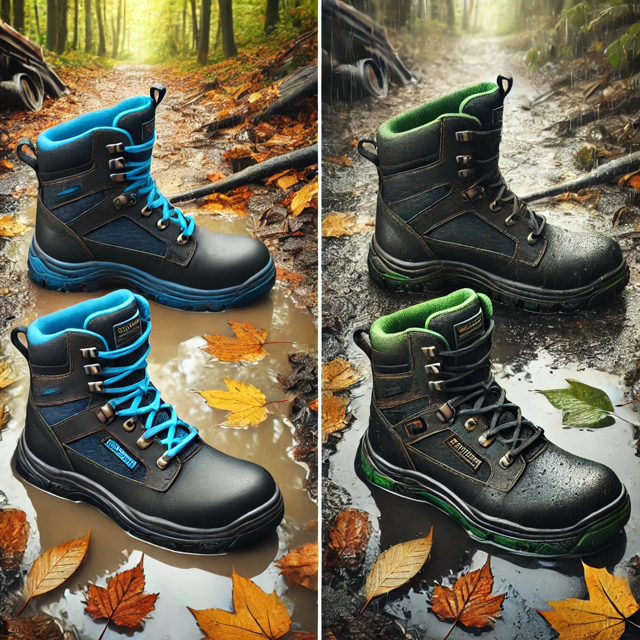
Anti-Slip Work Shoes: Safety and Stability on Every Surface in 2025
Every year, thousands of workplace injuries across Europe are caused by slipping — yet most could be prevented with the right footwear. The new generation of anti-slip safety shoes available in 2025 provides superior traction, stability, and comfort for workers in all industries. From construction to food production and logistics, SRC-certified outsoles are now standard. Brands like Procera, Portwest, and Delta Plus offer models that combine oil resistance, anti-static properties, and ergonomic cushioning to reduce fatigue. At Optimum BHP, you’ll find certified footwear that guarantees stability on wet, oily, or uneven surfaces — plus expert guidance on choosing the right pair in the blog and FAQ sections.
Explore even more helpful posts:
Mid-Range Insulated Workwear for Road Construction Crews – Reliable Winter Protection for Outdoor Infrastructure Teams
How to Dress for Winter Rain: Waterproof Hydros Winter Collection by Sara Workwear
Premium Leather vs Synthetic Gloves: CABRA WINTER vs HORIZON ALASKA vs ALASKA Polar
Procera Winter Workwear for Snow Removal and City Maintenance Crews: Insulation and Durability for Subzero Operations
How REIS Insulated Jackets Improve Comfort, Warmth and Visibility During Winter Weather
K-Jump S1P Aluminium vs K-Move S1P Aluminium vs K-Speed S1P Aluminium – Ultra-Light Sport Safety Shoes with Aluminium Toe Caps
⸻
The Science Behind Slip Resistance
Slip resistance is not just a marketing term — it’s the result of precise engineering. Modern anti-slip footwear uses specialized rubber compounds and tread patterns designed to maximize grip in all directions. Delta Plus and Uvex develop soles tested under EN ISO 20345 and SRC standards, which measure traction on both steel and ceramic surfaces with water and detergent. Deep grooves, multidirectional channels, and self-cleaning patterns prevent debris buildup that can cause slips. For heavy industry, Procera integrates shock-absorbing midsoles that enhance ground contact and control. These design innovations redefine stability in demanding work environments.
⸻
Different Environments, Different Needs
Anti-slip footwear varies depending on workplace hazards. For kitchen, catering, and healthcare professionals, lightweight and washable shoes from Julex or Ogrifox are ideal, featuring slip-resistant soles and breathable uppers. Construction and outdoor workers benefit from rugged, waterproof models like Portwest or Procera S3 boots. Meanwhile, logistics and warehouse teams prefer Base Protection and CXS Canis designs for mobility and all-day comfort. Matching the tread design and sole material to your work environment ensures optimal grip and performance on every surface.
⸻
Materials and Technology for Maximum Traction
Manufacturers now use advanced rubber compounds, polyurethane, and TPU materials to deliver flexible yet durable soles. Base Protection features AirTech® and Dry’n Air® technology for dual shock absorption and ventilation. Uvex integrates 3D-cushioning systems that adapt to every step, enhancing stability without stiffness. Delta Plus combines oil- and acid-resistant soles for industrial safety. For cold or wet environments, Urgent and Polstar add deep-lug treads that grip even icy ground. The focus for 2025 is clear — maximum friction, minimal slippage, and superior ergonomic performance.
⸻
Comfort, Posture, and Long-Term Health
Anti-slip footwear not only prevents accidents but also supports posture and reduces physical strain. Ardon and CXS Canis focus on ergonomic soles that stabilize the arch and absorb impact. The result is better balance, less fatigue, and fewer lower back problems — especially during long shifts. Some models feature energy-return insoles that keep workers more alert and productive. Whether standing on oily workshop floors or walking in outdoor conditions, wearing slip-resistant shoes enhances safety, confidence, and efficiency.
⸻
Sustainability and Maintenance of Anti-Slip Footwear
Like all PPE, safety shoes need regular maintenance to maintain their performance. Clean soles daily to remove grease and dust, as residue reduces grip. Replace worn treads promptly — visible smooth spots can compromise safety. Eco-conscious manufacturers like Lemaitre and Cofra now produce recyclable outsoles and low-emission rubber compounds. Long-lasting anti-slip shoes not only reduce waste but also lower replacement costs. With proper care, high-quality models from Optimum BHP remain reliable season after season.
⸻
Why Every Worker Should Prioritize Anti-Slip Footwear
No matter your profession, slip-resistant shoes are the foundation of safe and efficient work. Procera and Portwest have proven that safety doesn’t mean sacrificing style or comfort. Lightweight models are now just as protective as heavy-duty boots. Choosing certified, anti-slip footwear prevents injuries, saves companies money, and gives employees confidence on every surface. In 2025, slip resistance isn’t optional — it’s an essential part of professional safety culture.
⸻
FAQ – Anti-Slip Work Shoes
1. What does SRC certification mean?
It indicates the highest level of slip resistance under EN ISO 20345 — tested on steel and ceramic with water and oil.
2. Which brands offer the best anti-slip work shoes?
Top-rated include Procera, Delta Plus, and Base Protection.
3. Are anti-slip shoes waterproof?
Yes — models from Portwest or Urgent offer both waterproofing and traction.
4. How do anti-slip soles work?
They feature deep grooves and special rubber compounds that increase grip and channel away liquids.
5. Are anti-slip shoes suitable for kitchens?
Yes — Julex and Ogrifox specialize in washable, hygienic designs.
6. Do anti-slip soles wear out quickly?
Not if cleaned regularly — most last 12–18 months under normal use.
7. Can anti-slip shoes also be lightweight?
Yes — Base Protection and Ardon offer flexible, light models.
8. What’s the difference between SRA, SRB, and SRC soles?
SRA = ceramic/water; SRB = steel/glycerine; SRC = both — the highest standard.
9. Are anti-slip shoes oil- and acid-resistant?
Yes, particularly Delta Plus and Procera.
10. Which are best for outdoor winter work?
Insulated anti-slip models from Urgent or Portwest.
11. How do I clean anti-slip soles properly?
Use a brush and mild soap; avoid harsh solvents that degrade rubber.
12. Can anti-slip shoes be eco-friendly?
Yes — Cofra and Lemaitre use recyclable compounds.
13. Are there breathable anti-slip models?
Yes — lightweight CXS Canis and Art.Mas designs allow airflow.
14. How often should I replace my work shoes?
After 12–18 months or when tread depth drops below 1.5 mm.
15. Where can I buy certified anti-slip shoes online?
At Optimum BHP — offering the EU’s top brands for slip-resistant safety footwear.